
16 Kids Backyard Ideas Worth Saving for Your Next Project
You know that sinking feeling — shoes on, snacks packed, kids out the back door — and eleven minutes later someone is flopped on the grass announcing they’re bored. Getting outside shouldn’t be this much work. It just needs the right setup.
These 16 kids backyard ideas fix that, fast. We’ve split them into quick afternoon wins you can pull together today and bigger weekend builds worth saving for, so you can match the idea to your energy level (and your budget).
Every one of them works in a small yard, every one has a cheap hack if you don’t want to spend big, and every one lists ages, materials, and what to watch out for. Pick two or three, set them up right, and watch the “I’m bored” problem quietly disappear.
How to Pick the Right Backyard Idea for Your Crew
Before you dive into the list, a quick scan of your space and your kids will point you straight to the winners — start here, then browse.
- Age mix: Toddlers need enclosed spaces and low heights; ages 6–10 want climbing, digging and water; tweens stick with anything that has a challenge or a scoreboard.
- Yard size: A sloped or narrow yard rules out full playsets but is perfect for zip lines on a slope or a wall-mounted climbing hold setup.
- Your weekends: Honest question — do you want a 30-minute setup or a two-weekend build? Both lists are labelled for a reason.
- Climate: If you get long wet seasons, prioritise ideas with quick drainage, shade cover, or that pack away into a bin.
1. Mud Kitchen Magic

A low table or wooden crate with old pots, spoons, and a bin of dirt and water becomes hours of sensory play. This is the setup that turns “don’t get dirty” into “go make me a mud pie.” It works because there’s no wrong way to play — just scooping, stirring, pouring, and pretending.
Place it near a hose spigot for easy refills, and add a plastic bin for “ingredients” like pinecones, leaves, and flower petals. That single bin is what keeps kids coming back: their menu keeps changing. It suits toddlers through about age eight, and the mess stays in one corner of the yard instead of everywhere.
Keep a towel and a rinse bucket right beside the station so hands get cleaned before anyone heads inside. Tip: skip the fancy play kitchen — a thrifted pot set and a crate cost almost nothing and work just as well.
2. Backyard Obstacle Course
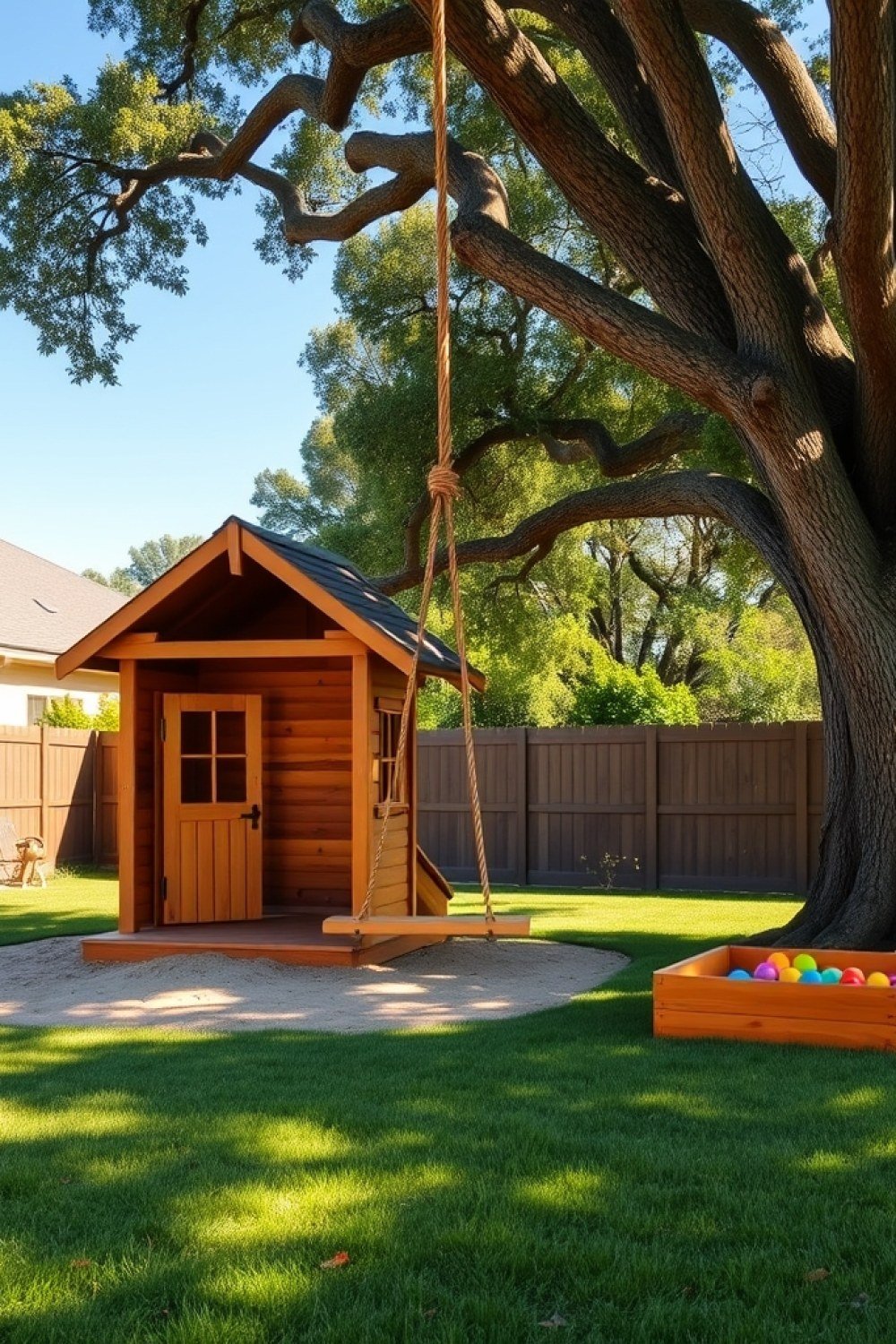
Pool noodles, hula hoops, and sidewalk chalk create a course kids can rearrange whenever they get bored. Set challenges like crawl under, jump over, balance along, or hop through — the chalk lines and noodle arches do the rest. Because the pieces move, the course never gets stale.
Time trials are the secret weapon here. Grab a stopwatch or phone timer and let kids race the clock instead of each other, so younger siblings stay in the game. It gets big energy out fast, which is exactly what you want an hour before dinner.
It suits a wide age range, and you can scale difficulty by spacing the hoops further apart or raising the noodle arches. Tip: store everything in a labeled bin so setup takes two minutes flat.
3. Sandbox with Shade

A sandbox is a classic for a reason, but full sun makes it unusable by mid-morning. Build or buy one with a canopy, or simply place it under a tree where the shade already lives. Kids stay cool and play far longer when they’re not squinting and overheating.
Add a cover — a fitted lid or even a sturdy tarp weighted at the corners — to keep cats out and rain from turning it into soup. Then keep toys minimal: a few scoops, molds, and a small sieve. A dozen toys just means a dozen things to trip over.
This suits toddlers and preschoolers best, though school-age kids will still dig tunnels if you give them a hose and permission to build rivers. Tip: buy two buckets of play sand rather than one — shallow sandboxes get old fast.
4. Water Play Station
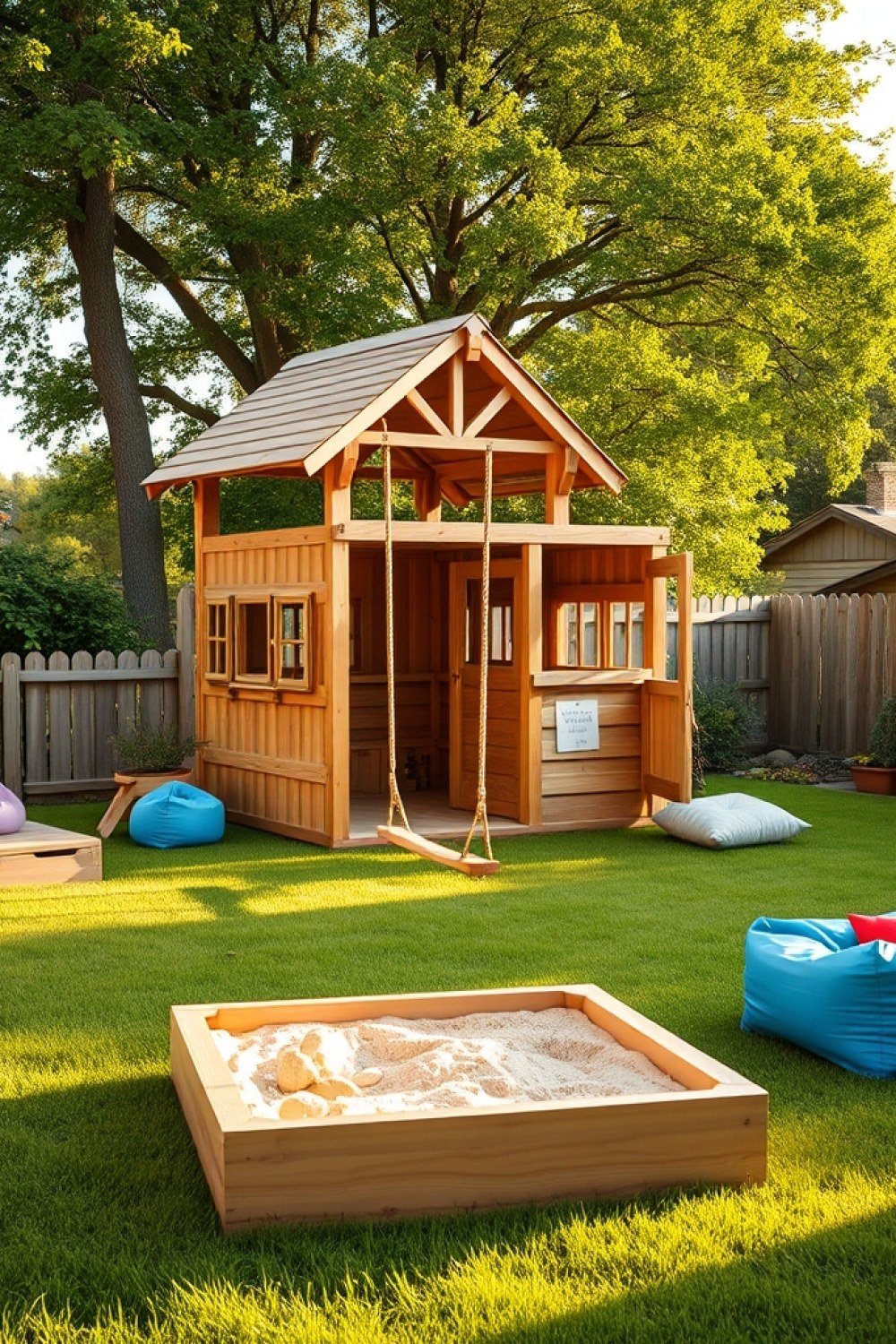
A simple water table or a shallow storage bin filled with water, cups, and sponges keeps toddlers busy for ages. Pouring and squeezing is real work for little hands. For older kids, add a sprinkler or a DIY water wall made from cut plastic bottles and a length of gutter.
The bottle wall is the showstopper: screw bottles at different heights onto a board or fence, then let kids pour water in the top and watch it cascade. It suits ages two through ten and costs almost nothing if you already have bottles.
Always supervise water play, no exceptions, and empty the bin when you’re done. Tip: dump it after every session — standing water is a mosquito nursery.
5. Fairy Garden Nook
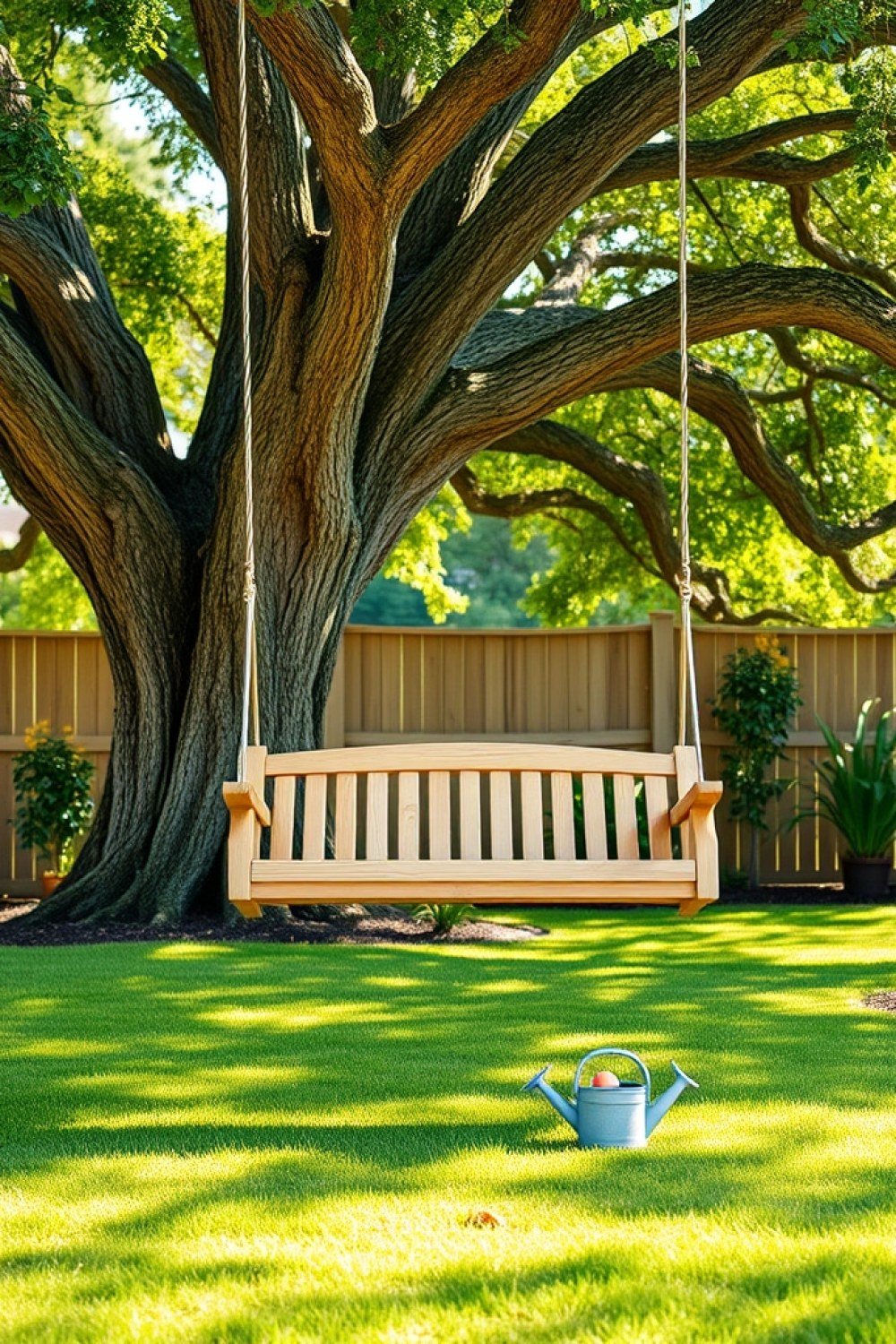
Tuck a small fairy garden into a shady corner using a broken pot, moss, tiny plants, and miniature decorations. The broken pot is actually the trick — lay it on its side and it becomes a miniature cave or house entrance. Kids can add to it over time, which makes it a project instead of a one-day craft.
It encourages quiet, imaginative play and sneaks in a little gardening along the way. Choosing small groundcovers and moss teaches them what grows in shade, and watering it becomes a tiny daily ritual.
This suits kids around four to ten, especially ones who like to tell stories while they play. Tip: let them pick one new miniature each visit to the dollar store — the garden grows with them.
6. Rock Painting Hide-and-Seek
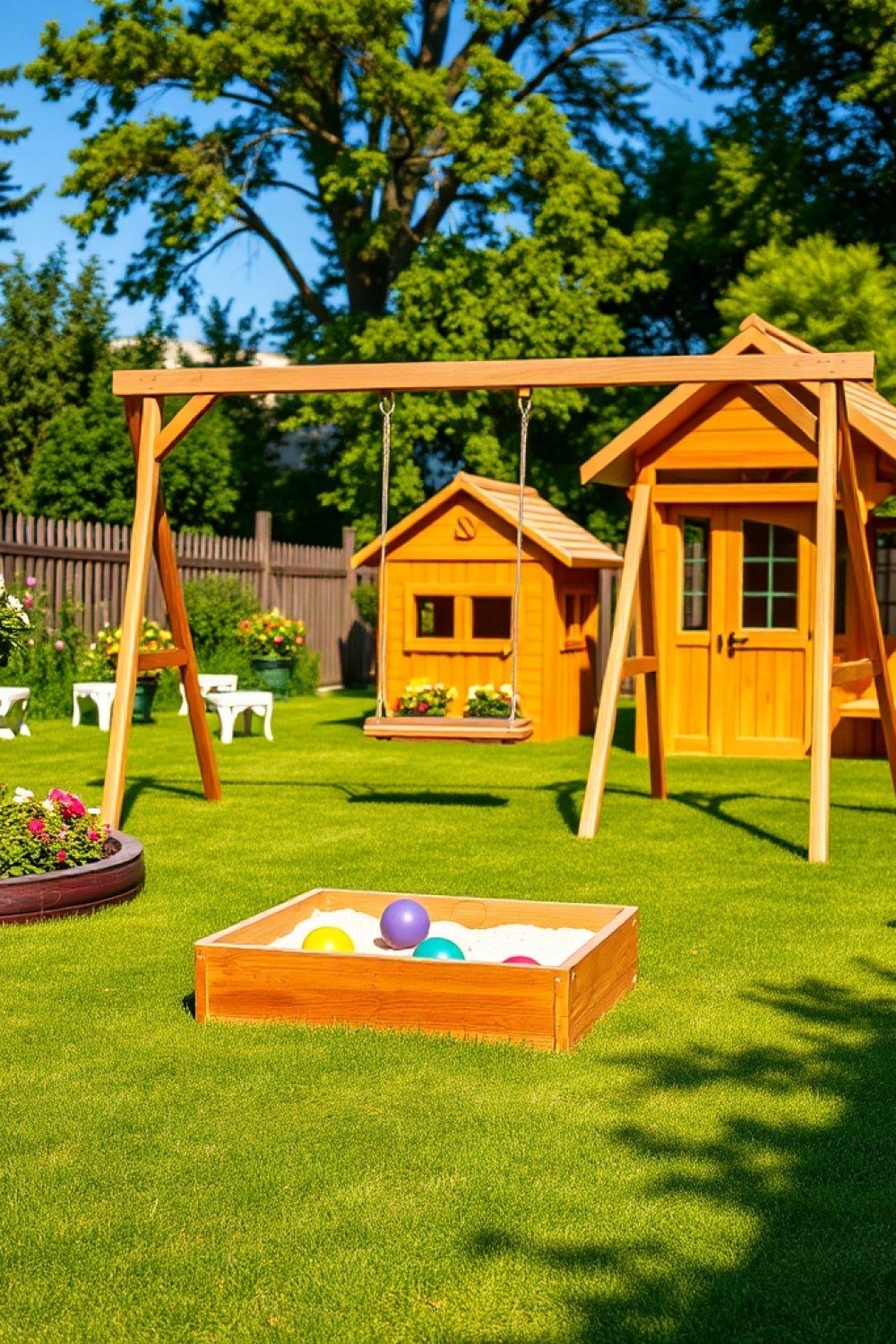
Paint smooth rocks with bright designs, then hide them around the yard for kids to find. The next round, they make their own to hide for siblings or visiting friends. It’s a low-cost craft that turns into an ongoing game, which means the fun doesn’t end when the paint dries.
Smooth river rocks work best since paint and markers glide right on. Seal finished rocks with outdoor Mod Podge for durability, and let them cure fully before hiding — otherwise your ladybug becomes a smear after one rainstorm.
It suits pretty much any age, though little ones need help with the sealing step. Tip: keep a small basket of blank rocks and paint pens by the back door so hiding a new batch becomes a five-minute afternoon activity.
7. DIY Balance Beam
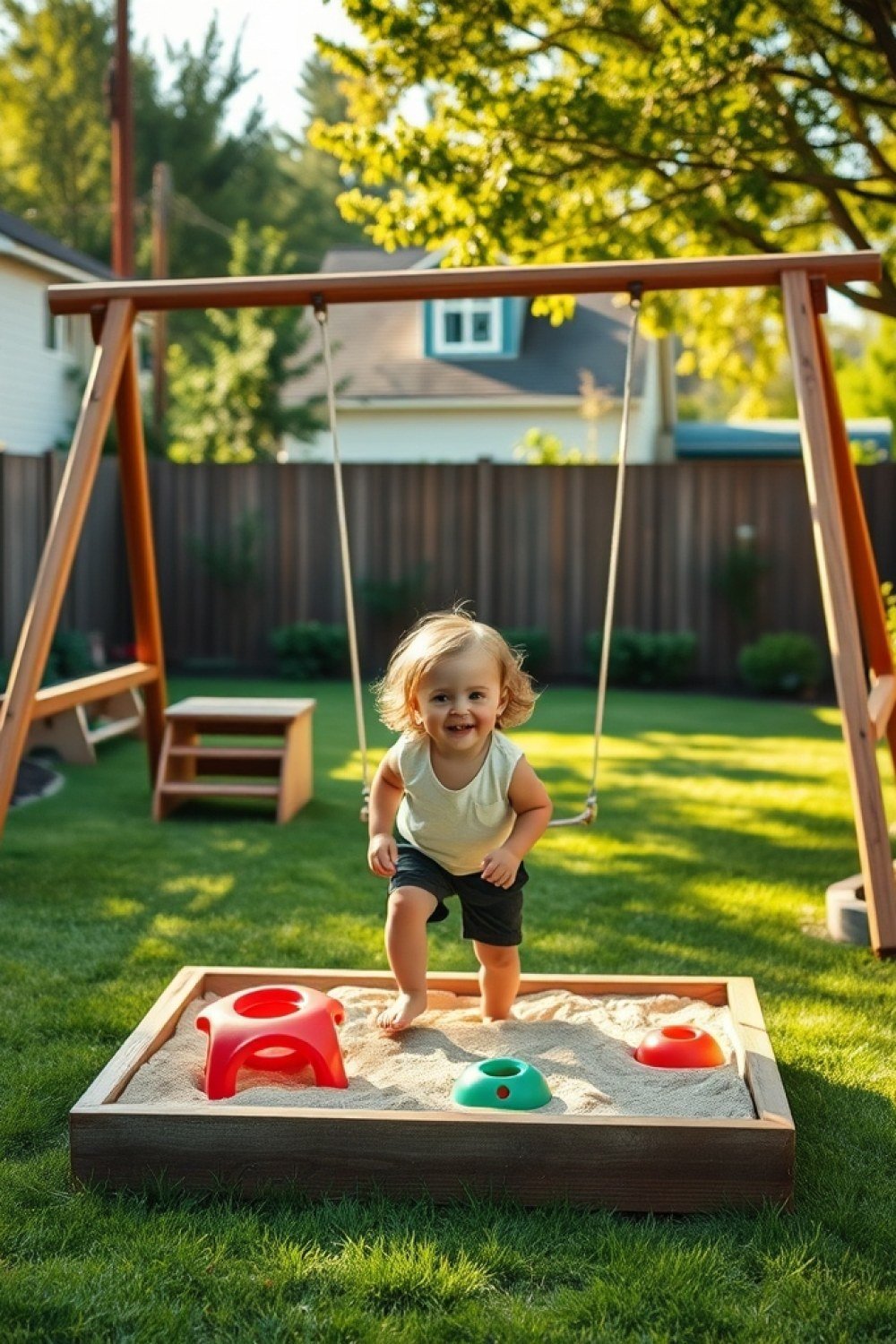
Grab a 4×4 pressure-treated beam — an 8-foot length is plenty — and lay it flat on the ground for beginners, or raise it a few inches on bricks for older kids who want a challenge. Sand every edge and corner with 120-grit paper until it’s smooth, then give it two coats of bright exterior paint in a color your kid picks themselves.
A balance beam quietly builds coordination, core strength, and focus while kids think they’re just playing. It’s a perfect fit for tight yards because it’s linear — runs along a fence line or the edge of a patio without eating up play space. Toddlers can start on the ground version; school-agers graduate to the raised one.
Quick tip: Check the beam for splinters and wobble at the start of each season, and reset the bricks so nothing shifts underfoot.
8. Outdoor Art Easel
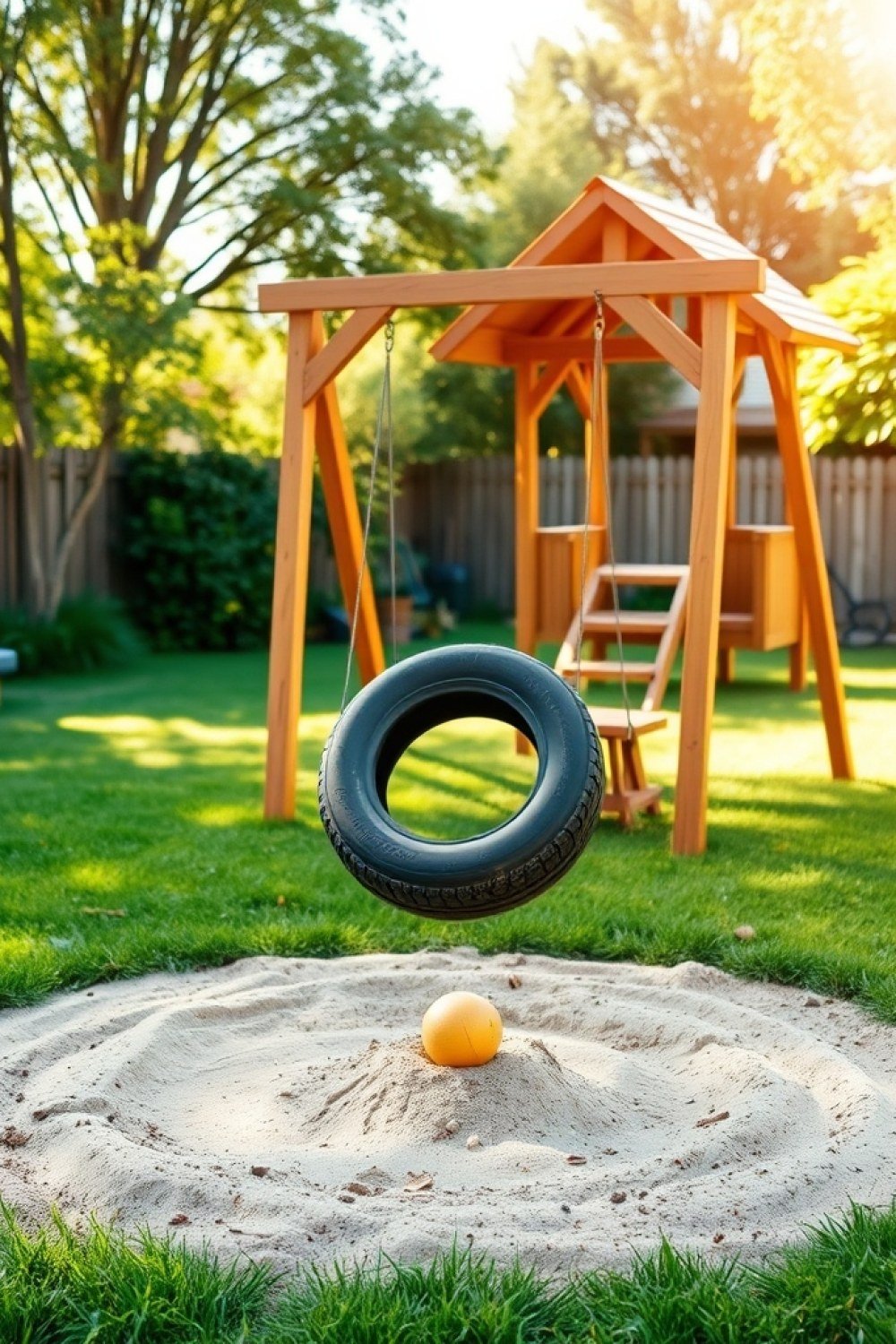
Mount a roll of butcher paper or a small whiteboard directly onto a fence panel at kid height — 24 to 36 inches is the sweet spot for toddlers, higher for big kids. Keep a caddy nearby with washable tempera paint, chunky brushes, and a few old button-down shirts as smocks.
The genius here is scale. Kids can go huge with full-arm strokes, drip, splatter, and experiment without a single worry about indoor walls or carpet. Washable paint means cleanup is literally a garden hose rinse, and rain does half the work for you.
Quick tip: Pick a fence section that gets morning shade, not blazing afternoon sun, so paint doesn’t dry before kids finish their masterpiece.
9. Sensory Garden Path
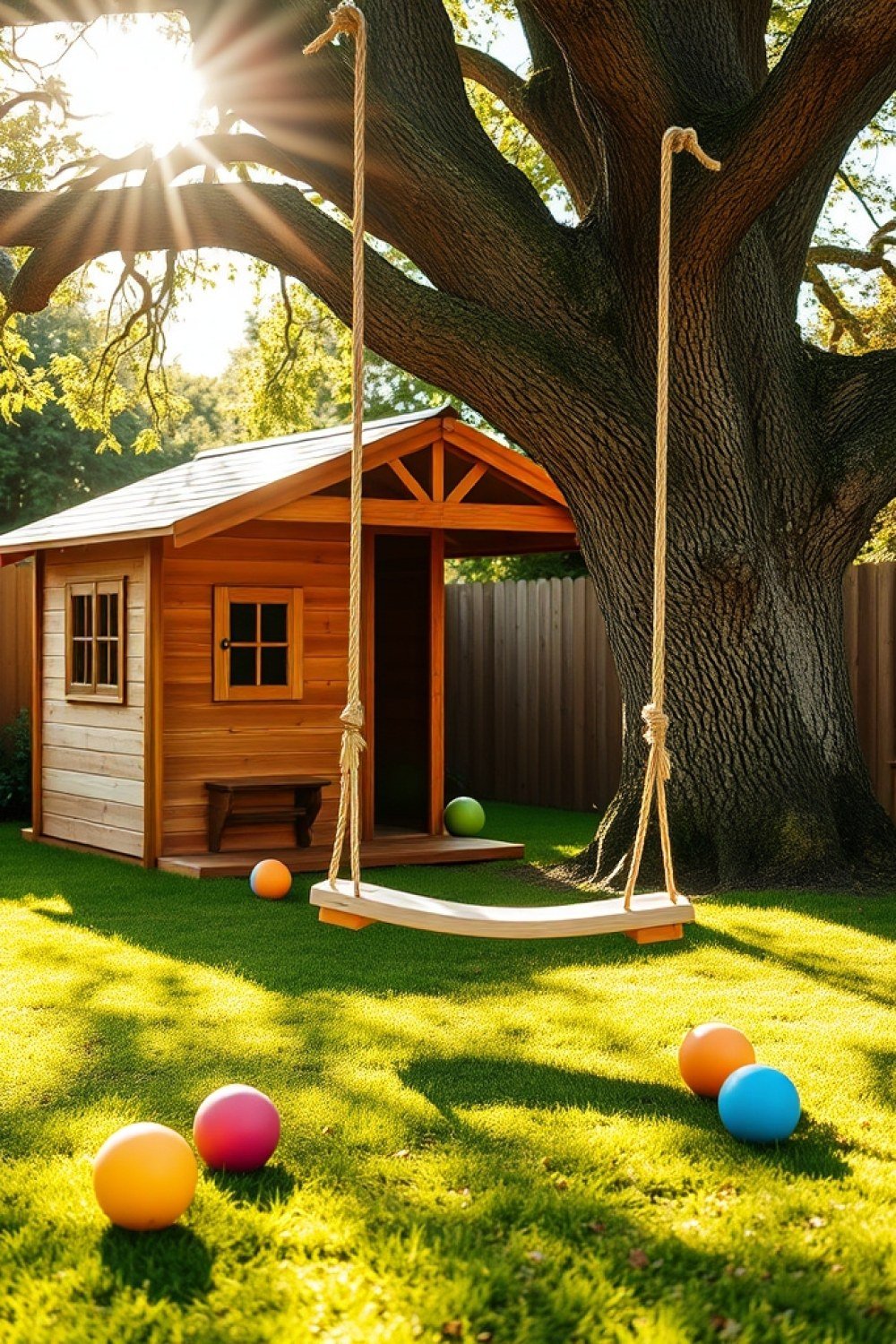
Lay a row of stepping stones — flagstone or inexpensive concrete pavers — and tuck non-toxic, hardy plants between them: fuzzy lamb’s ear, fragrant lavender, and feathery ornamental grasses like blue fescue. Leave a few inches of bare soil so little hands can reach in easily.
This path turns a plain walkway into a touch-and-smell adventure. Kids brush past the soft leaves, crush a lavender leaf, and run fingers through the grass — all calming sensory input that doubles as a beautiful border for your yard. It suits every age, from toddlers crawling over stones to older kids collecting lavender for sachets.
Quick tip: Skip anything thorny or toxic, and water deeply once a week so these drought-tolerant picks establish fast.
10. Shade Sail Reading Corner
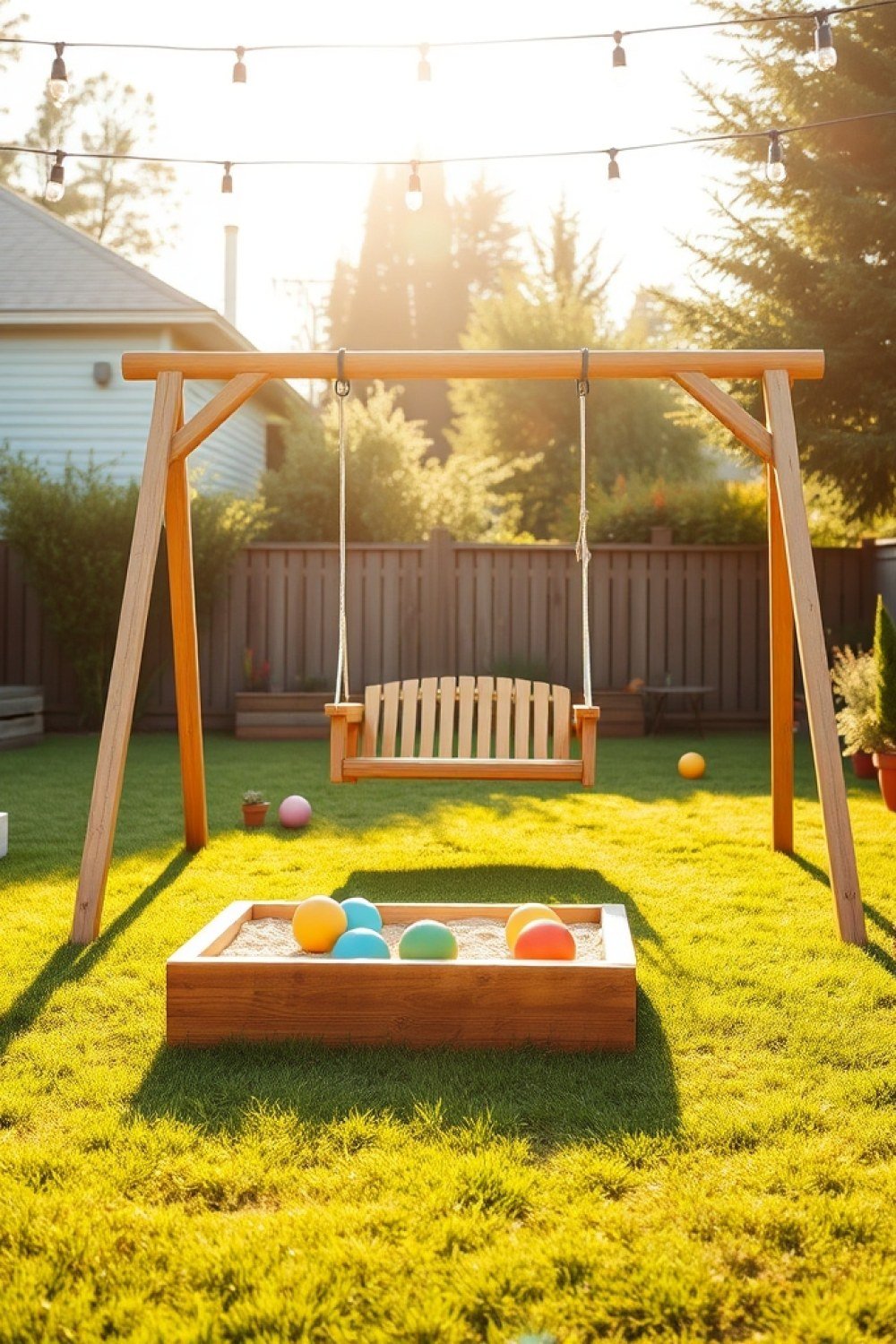
Anchor a triangular shade sail over a small bench or just a thick picnic blanket, using posts or existing fence corners as attachment points. Add a waterproof basket of picture books and two or three washable outdoor pillows.
The sail blocks 90%+ of UV rays and drops the temperature underneath by several degrees, turning a scorching corner into the coolest spot in the yard. That microclimate is what makes quiet time actually appealing on a hot afternoon — kids sprawl with a book instead of melting in the sun.
Quick tip: Angle the sail slightly so rain runs off instead of pooling in the middle, and bring the books inside overnight.
11. Tire Swing Adventures
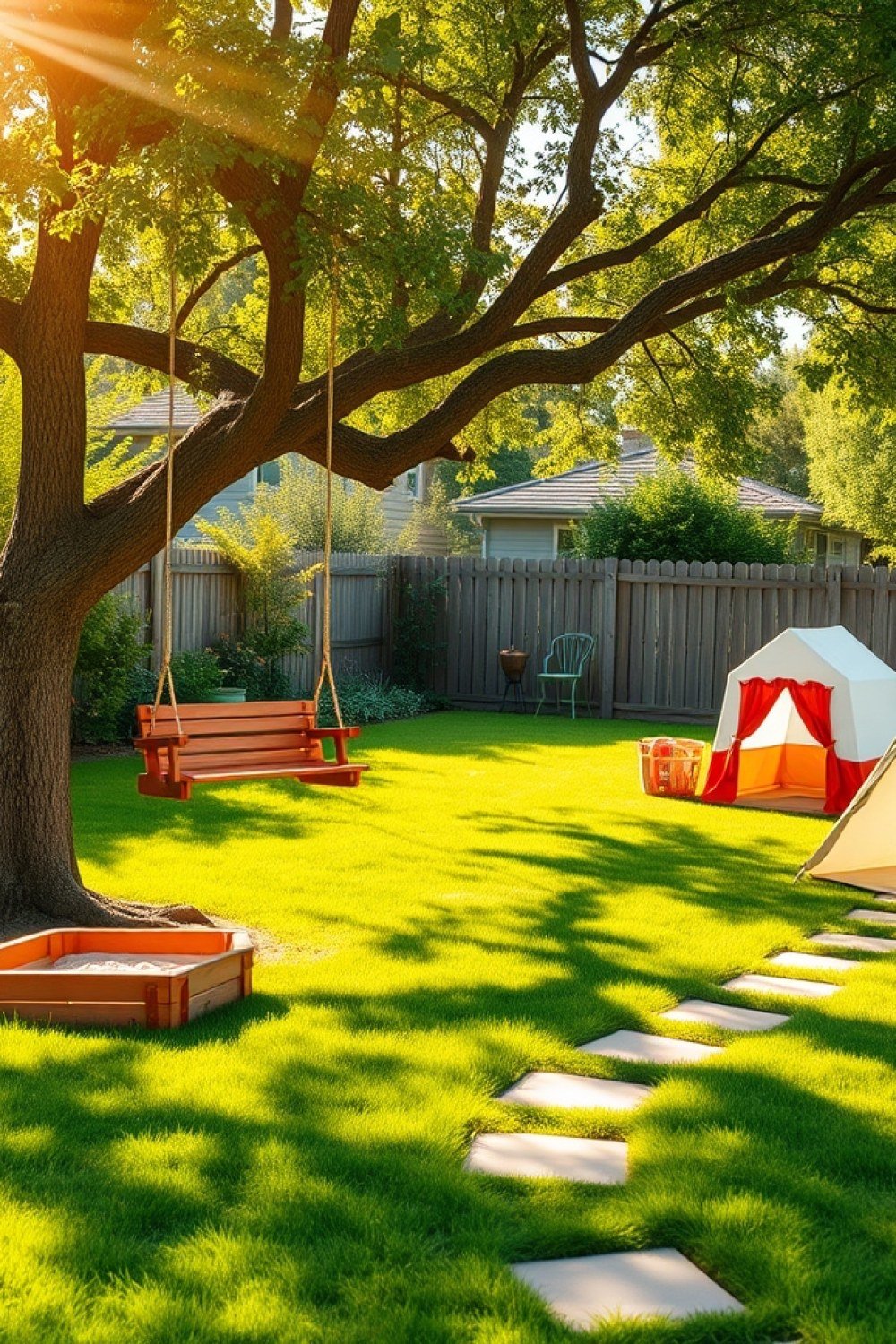
Hang a clean, undrilled tire from a horizontal branch at least 8 inches in diameter, using rope rated for well over your child’s weight. Drill drainage holes in the bottom so rainwater escapes, and spread 6 inches of shredded mulch underneath as a soft landing zone.
A tire swing delivers spin, swing, and climb all in one — the trifecta that keeps kids busy for hours. It suits a wide age range: little ones lie inside and rock, bigger kids stand and twist. Just make sure the branch is live, healthy hardwood, never a dead limb.
Quick tip: Recheck the rope and knot every few months, and replace it at the first sign of fraying or sun damage.
12. Bug Hotel Exploration
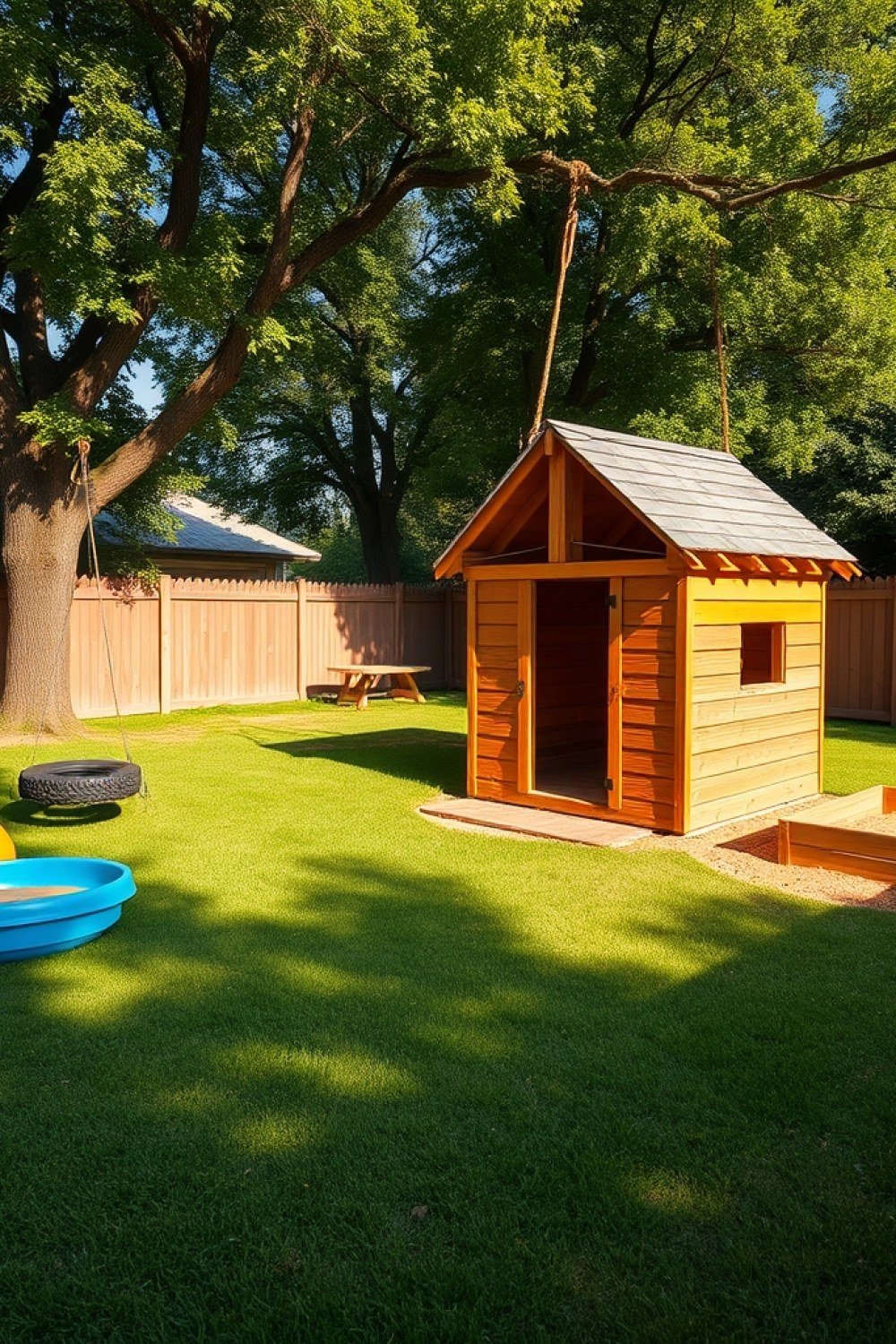
Build a simple bug hotel from a wooden frame filled with bamboo tubes, pinecones, bark strips, and drilled blocks of wood. Mount it in a quiet corner at kid eye level, away from heavy foot traffic and direct afternoon sun.
Within weeks, solitary bees fill the tubes, beetles hide under the bark, and spiders move into the crevices — a living science project right outside the back door. Kids observe, sketch, and learn about habitats without a screen in sight. It’s ideal for curious 4- to 10-year-olds and takes maybe an hour to assemble.
Quick tip: Face the openings slightly downward so rain doesn’t flood the tubes, and resist the urge to clean it out — the mess is the habitat.
13. Portable Play Fort
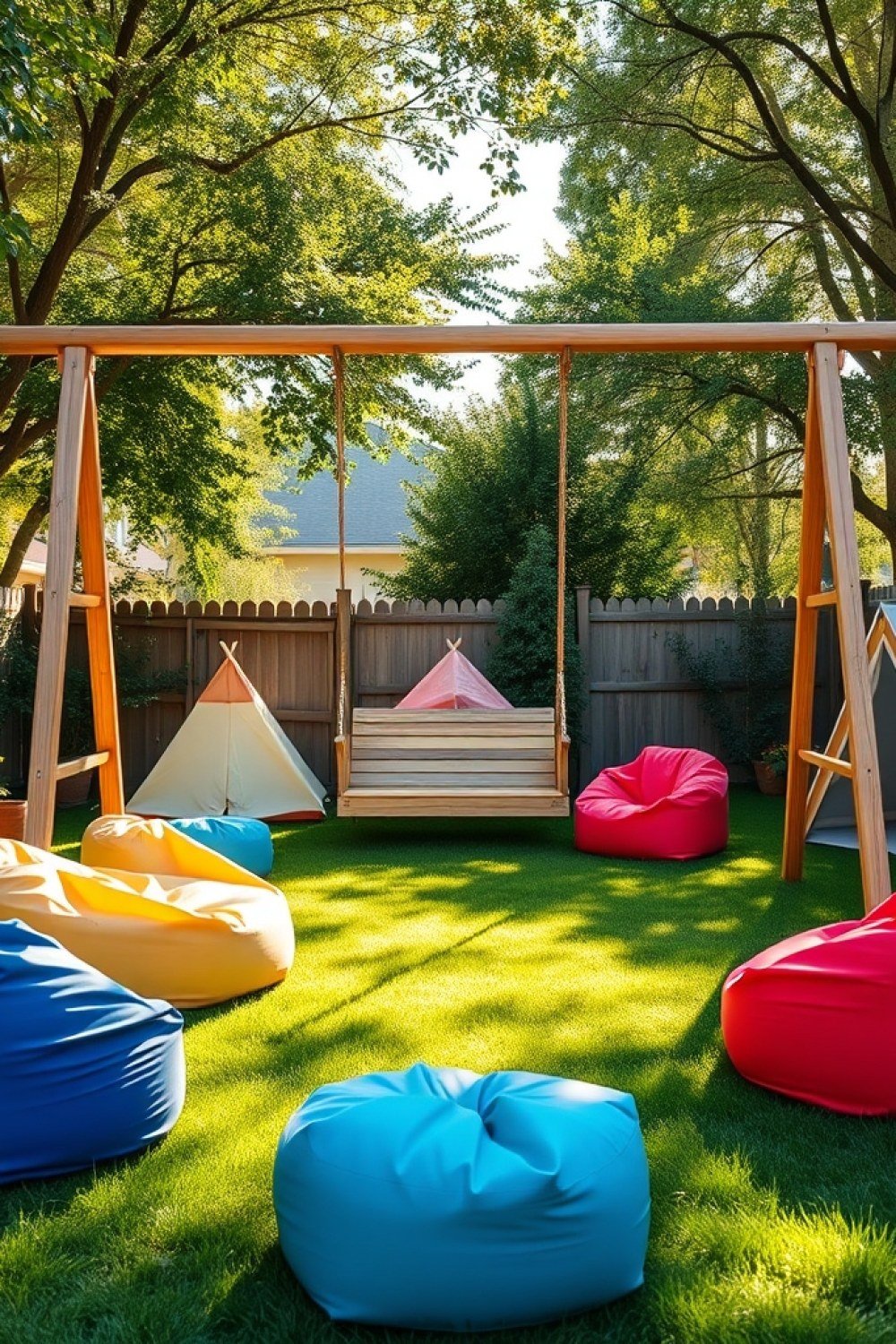
Grab ten 4-foot PVC pipes, eight elbow joints, and a few connectors — about $25 at any hardware store — then drape old sheets or thrifted curtains over the frame. Clothespins hold everything in place, and kids can rebuild it as a castle, spaceship, or cave in minutes.
What makes this one shine is the take-apart factor. The whole thing collapses into a bundle you can slide behind a shed or under a bed, so it works in even the smallest yard. It also nudges kids toward cooperative play, since somebody has to hold the poles while someone else clips on the roof.
Quick tip: Sand the pipe ends so they slide together easily, then let your kids draw a “blueprint” before building — it keeps them engaged way longer.
14. Mini Golf Course
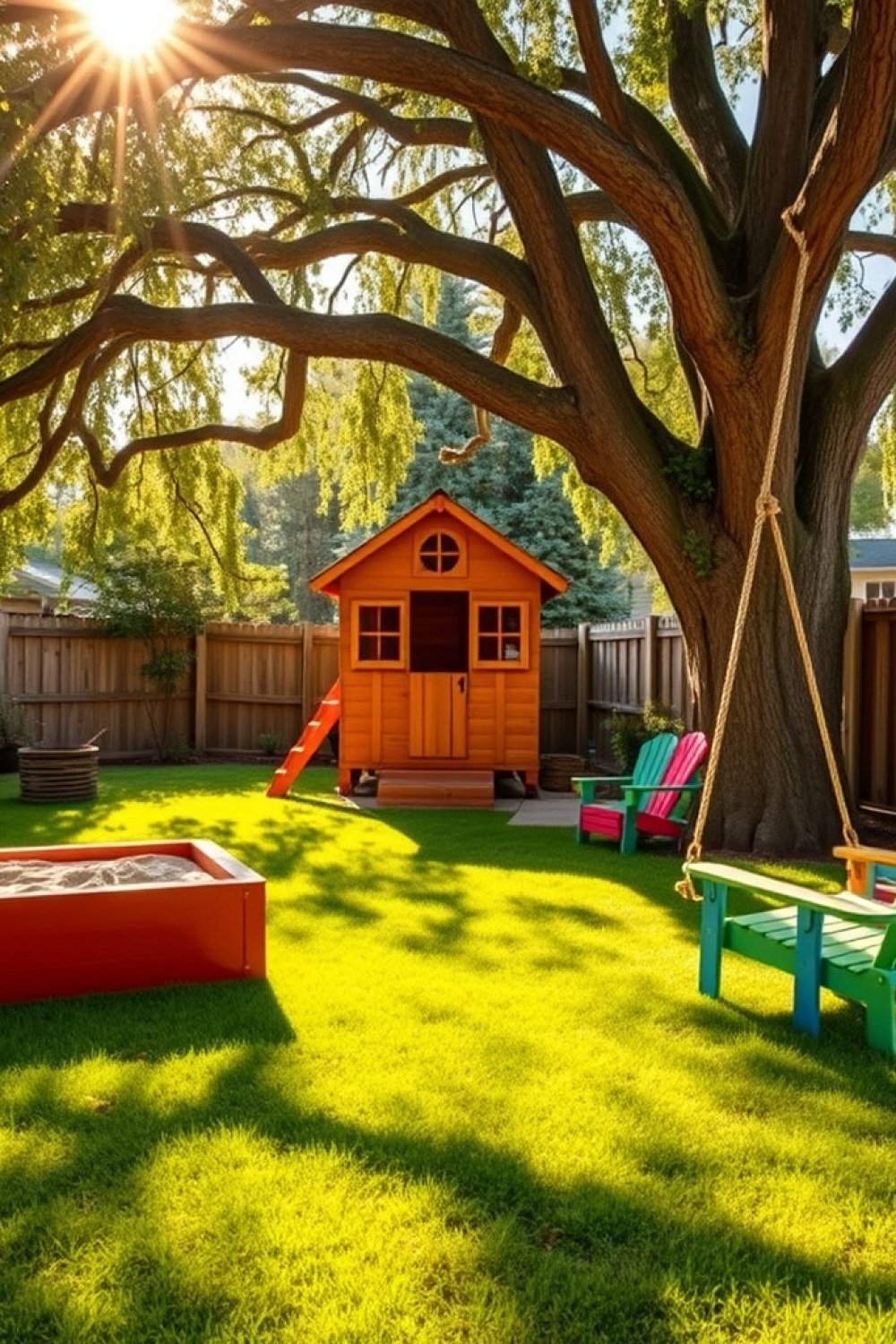
Bury clean tin cans flush with the dirt or set plastic cups on the grass for instant holes, then space them 6 to 10 feet apart. Bend pool noodles into arches, tunnels, and ramps as obstacles, and hand out child-sized putters with bright balls so they’re easy to spot in the grass.
This setup is gold for birthday parties or lazy Sunday afternoons because you can add or remove holes in seconds. Nine holes keeps younger kids focused; five is plenty for toddlers. The real win is that mixed ages can play together without much skill gap.
Quick tip: Number each hole with a painted rock or a stake, and keep a scorecard on a clipboard — kids love tallying their own strokes.
15. Nighttime Stargazing Zone
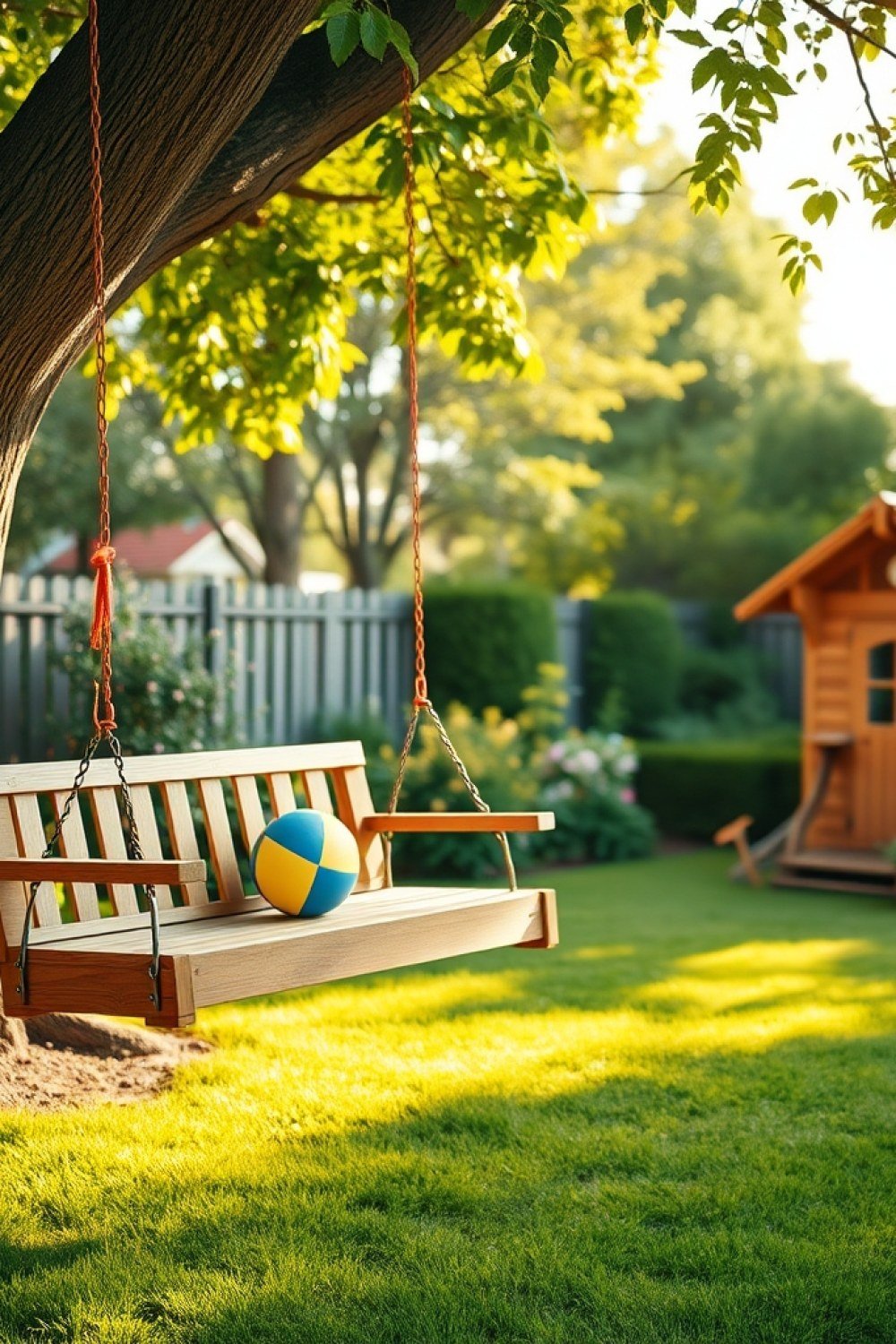
Pick a flat patch away from porch lights, spread a thick blanket, and pile on pillows so kids can lie back comfortably. A pair of binoculars works great for beginners, though a basic telescope lets you catch the moon’s craters on a clear night.
Load a free star map app on your phone to point out constellations like the Big Dipper or Orion, and mark the edges of your spot with a few solar stake lights so nobody trips in the dark. It’s a low-effort way to make bedtime feel like an adventure.
Quick tip: Check the moon phase before you head out — a nearly full moon is stunning through binoculars, but a new moon is best for spotting faint stars.
16. Kids’ Garden Plot
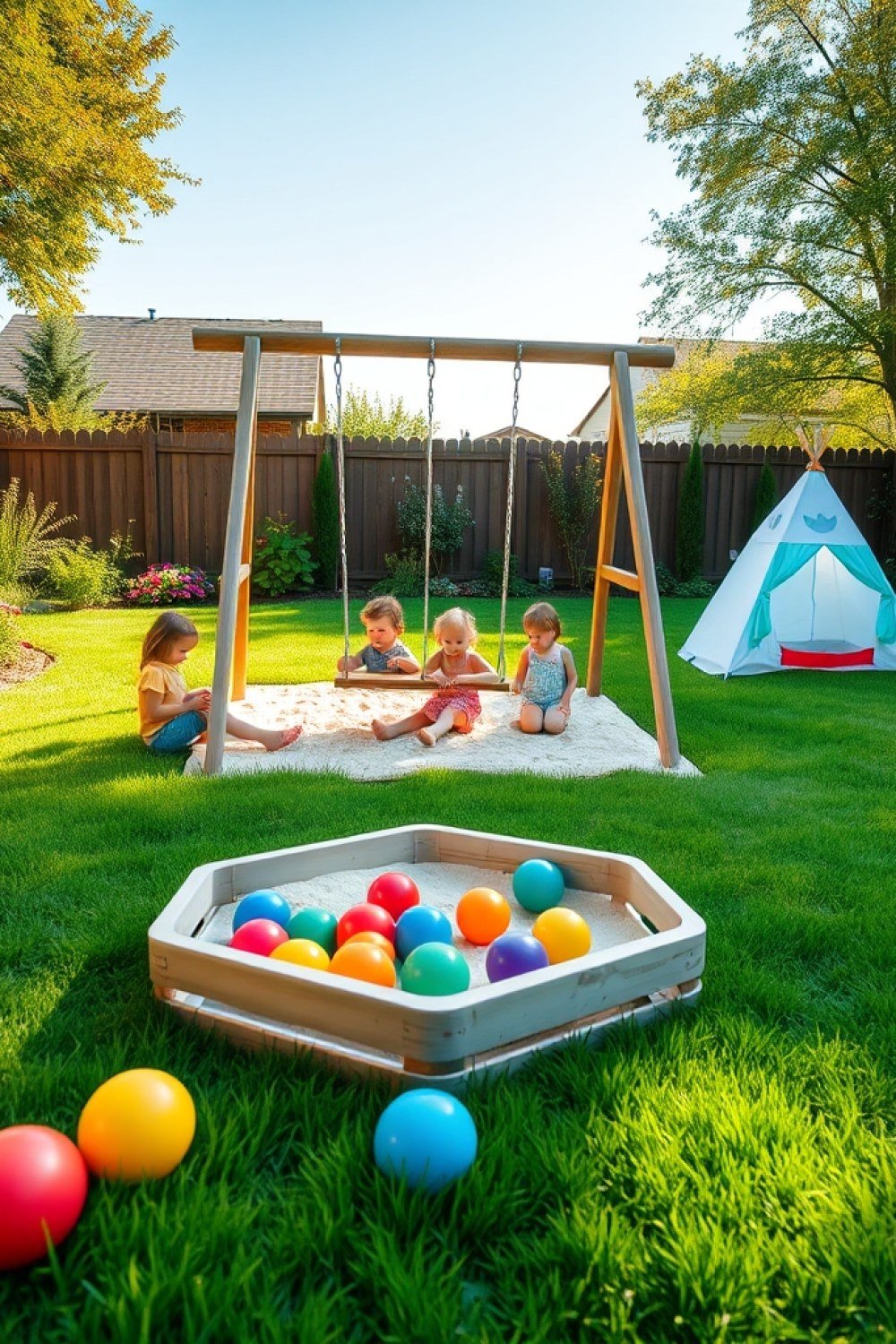
Give each child their own raised bed or a large container — even a 12-inch pot works — and let them plant fast, forgiving crops. Radishes sprout in about 25 days, cherry tomatoes produce all summer, and sunflowers shoot up tall enough to measure against the fence.
Owning a plot changes everything. Kids who water and harvest their own food get genuinely excited about eating it, and the daily routine quietly builds responsibility without feeling like a chore. Younger kids do best with one or two plants; older ones can handle a full mini-bed.
Quick tip: Paint each child’s name on a plant marker so there’s no squabbling over whose tomato is whose — and let them pick one “weird” veggie to try just for fun.
Questions About Kids Backyard Ideas
What are some safe backyard ideas for toddlers?
Stick to soft footing first: grass, rubber tiles, or 3 to 4 inches of shredded mulch under anything climbable. A covered sandbox (the lid keeps out cats and rain), a water table filled just 2 to 3 inches deep, and a small slide with handrails and a 3-foot-high platform are all toddler gold. Skip trampolines and anything with exposed bolts or splintered wood. And whatever you build, keep it inside a fenced area you can see from the kitchen window — supervision is the real safety feature.
How can I keep backyard play areas clean and organized?
Label clear bins by category — “sand toys,” “chalk,” “balls” — and rotate only two or three bins out at a time so the yard doesn’t turn into a toy graveyard. Pick multi-use gear when you can: a water table that doubles as a sand pit, a storage bench that holds shovels and becomes a pretend shop counter. A 30-second hose rinse at the end of play, plus one designated “drop zone” near the door, stops 90% of the mess before it walks inside.
What backyard ideas work for small yards?
Go vertical and go foldable. A wall-mounted easel or chalkboard, a low climbing wall bolted to a fence, and a fold-flat play fort free up your entire ground footprint when not in use. Tuck a sandbox that doubles as a bench into a corner, plant a fairy garden in the shady strip along the house, or set a compact water station on a single paver. Small yards reward clever edges, not big equipment.
How do I get kids involved in building these backyard projects?
Hand them the jobs that match their age: toddlers paint rocks and dump mulch, big kids measure, drill with supervision, and pick the paint colors. Ask what they want before you buy a single board — “Do you want a fort or a mud kitchen?” — then let them customize one detail, like a name sign or a flag. Kids who helped build the thing play on it longer, plain and simple.
Picking the Right Project for Your Kids and Yard
Start with one idea that matches your child’s age and your available space — a water table for the toddler years, a climbing wall or mud kitchen once they hit five. Add more only after you see what they actually gravitate toward.
Rotate toys and activities every few weeks to keep things fresh, and do a quick safety sweep before each play session: sharp edges, loose bolts, standing water, and anything that’s grown wobbly over the winter. A little planning now means a backyard that grows with your family — and keeps earning its keep, season after season.