
12 Small Grass Area Ideas That Stay Lush and Easy to Maintain
The single most useful move with a small grass area is to stop treating it like a mini version of a big lawn. Small turf dries out faster at the edges, scalps easier on turns, and every single weed shows up close enough to spot from the kitchen window. Treat your patch as a designed feature instead, and half the work disappears.
That shift changes everything practical: you mow less because you mow smarter, you water deep instead of often, and you pick grasses bred for dwarf growth rather than fighting a full-size lawn in a tiny space. The 12 ideas below each give you a defined shape or edge, the right low-input grass for it, and a maintenance routine you can actually keep up with.
Expect specific layouts, real grass names, and honest upkeep numbers — mowing heights, watering schedules, edging tricks, and the swaps that save you weekends. Whether you’ve got a courtyard, a townhouse yard, a side strip, or a leftover square after paving, pick the idea that matches your light and your patience level, then copy it.
1. The Rounded Grass Rug

Cut the lawn into one generous circle or oval instead of squaring it off to the fence. Curves make a small yard feel bigger and remove four corners of hard-to-mow edge.
Mark the shape with a hose, then cut with a half-moon edger. Set a 4-inch band of brick or steel edging so the line stays crisp forever.
Mow with a push reel mower on a single spiral pass — a rounded patch takes about 6-8 minutes.
Try it this weekend: lay the hose in a full circle first and stand back before you cut. Adjust the curve until it looks right, then commit with the edger.
2. Clipped Box Border
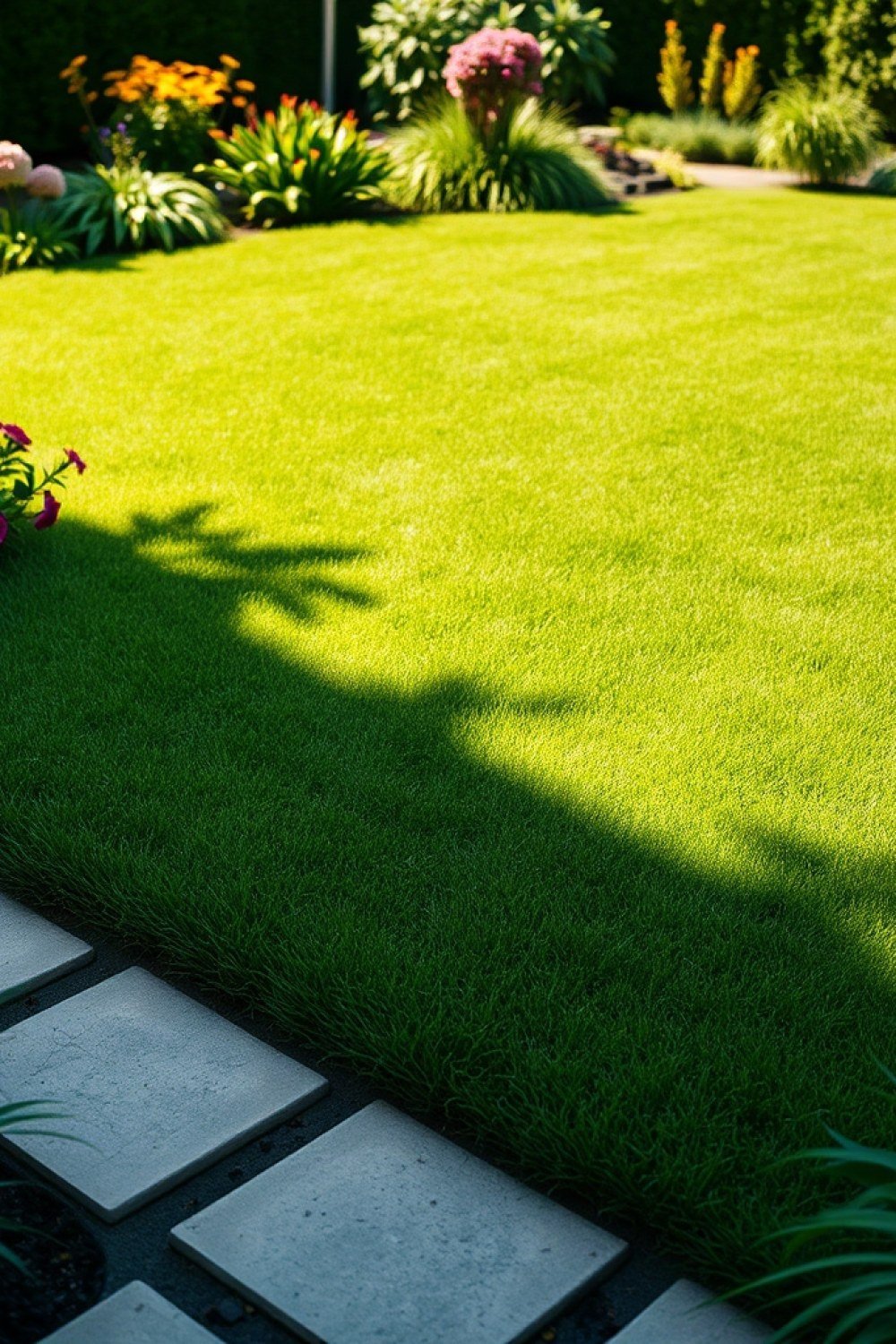
Ring the grass with low boxwood or dwarf yaupon holly in a tight 12-18 inch hedge. The dark green frame makes even a 10×10 lawn look deliberate, and it hides the ragged grass-to-bed transition.
Keep a 24-inch mulch gap between hedge and turf so you can run an edger without nicking stems.
Shear the hedge twice a season — once in late spring, once in late summer — and it stays a crisp rectangle all year. Suits formal courtyards and townhouse side strips where you want a strong, tidy line.
Do this: plant the hedge on a straight string line. A wobbly border ruins the effect faster than any bare patch will.
3. Stepping-Stone Cross
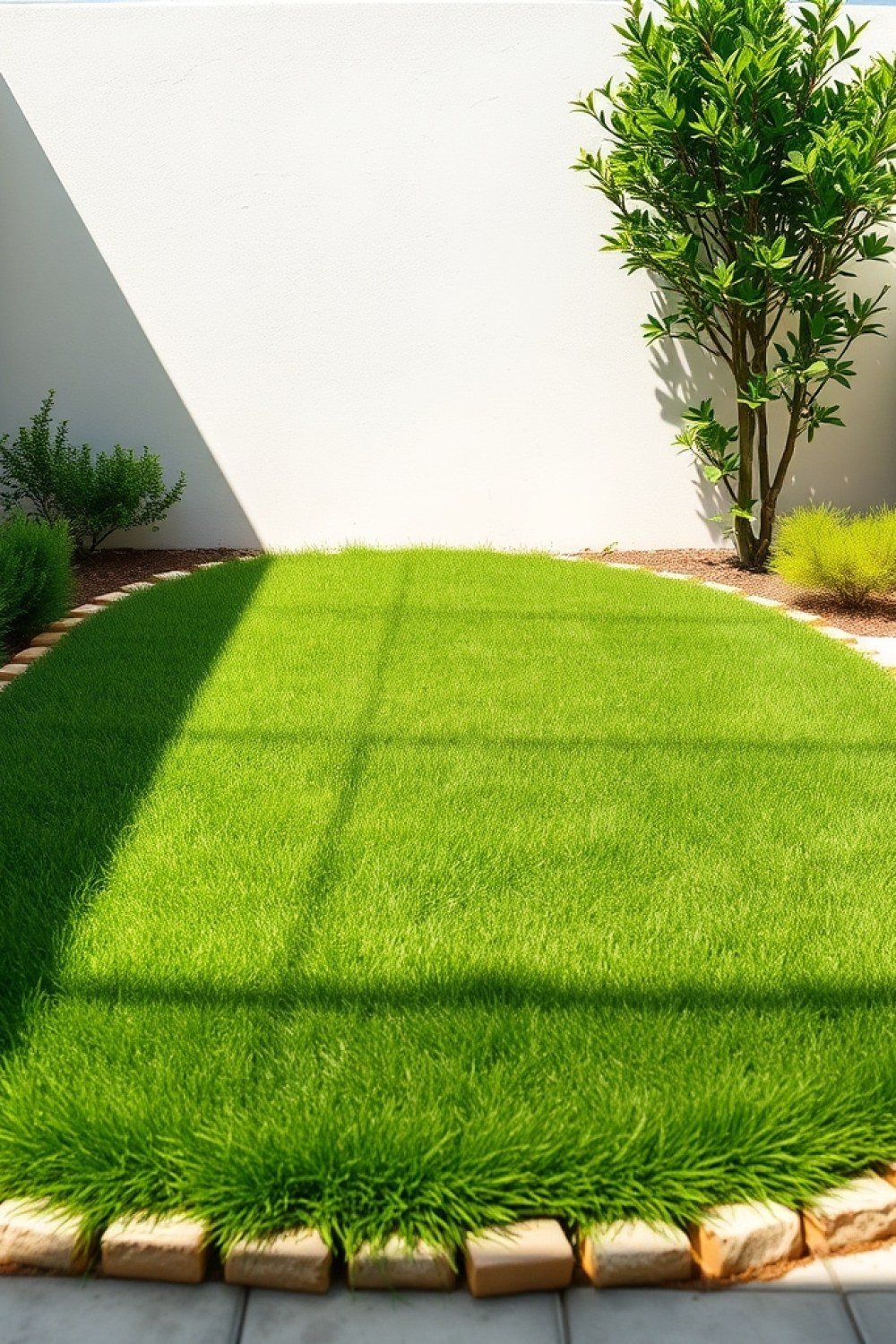
Lay a simple cross or single path of 18-inch flagstones flush with the soil through the middle of the grass. It gives you a dry route to the far side so you’re not walking a mud trail in wet months.
It also visually breaks a small lawn into two smaller, easier-to-mow zones. Set stones level with the surface and let the grass grow right to the edge — no sand joints needed.
Perfect for narrow side yards and any patch you cross daily. Weep holes or a slightly crowded stone line keep the big slabs from rocking.
Do this: bed each stone on 2 inches of compacted sand and crusher dust, then check level in both directions before moving on.
4. Micro-Clover Blend
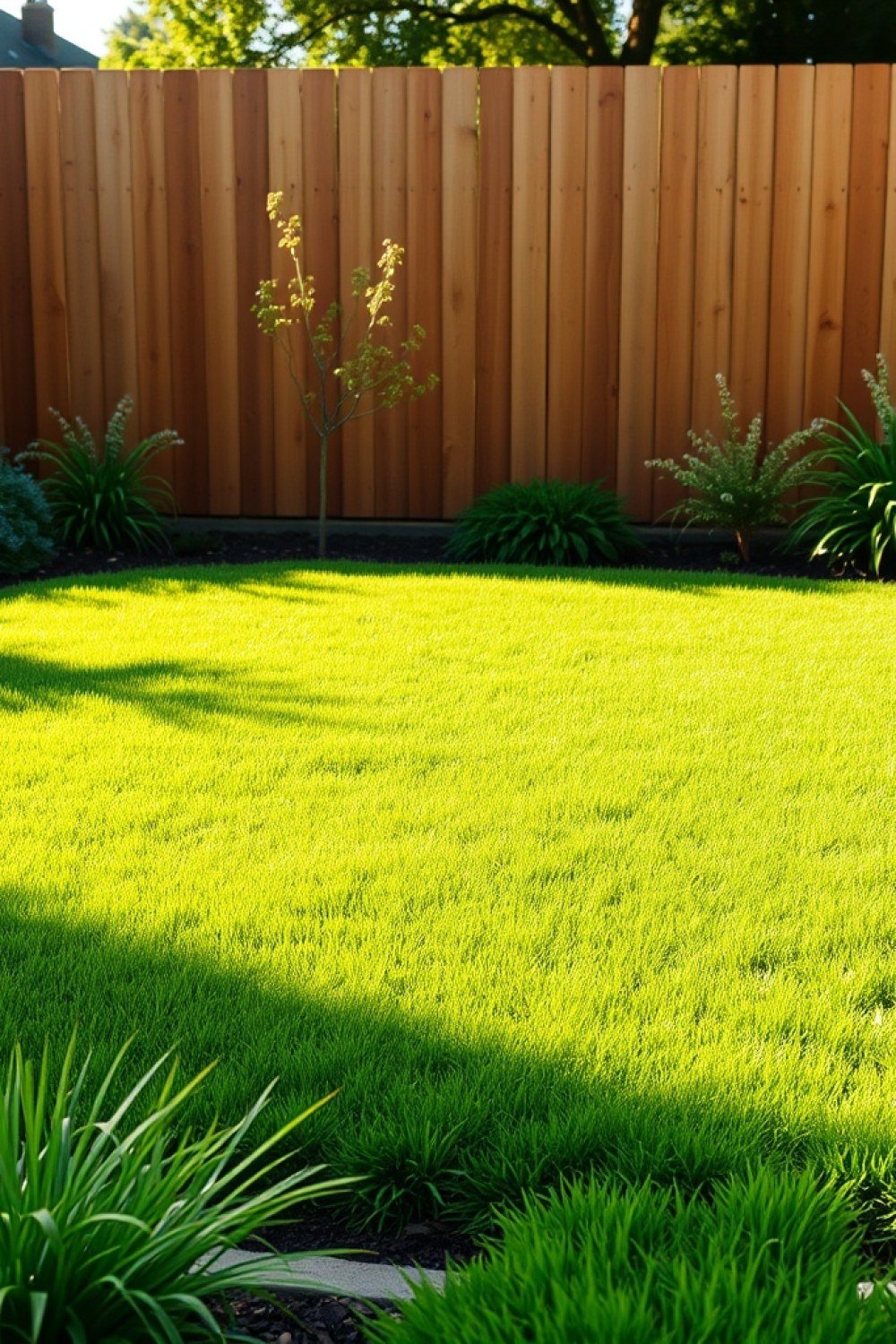
Overseed your patch with a 10-20% micro-clover mix — not white Dutch clover, which gets tall and floppy. Micro-clover fixes its own nitrogen, stays green in drought when fescue goes brown, and stays low enough to mow at 3 inches.
It won’t survive heavy foot traffic, so keep it for view-and-lounge areas rather than the path to the shed.
Great for homeowners who want green without weekly watering and feeding. It bees up in spring, which most people love and a few don’t.
Do this: scatter seed at half the rate on a calm day, rake it in lightly, and keep the top inch damp for 10-14 days.
5. The Sunken Turf Square
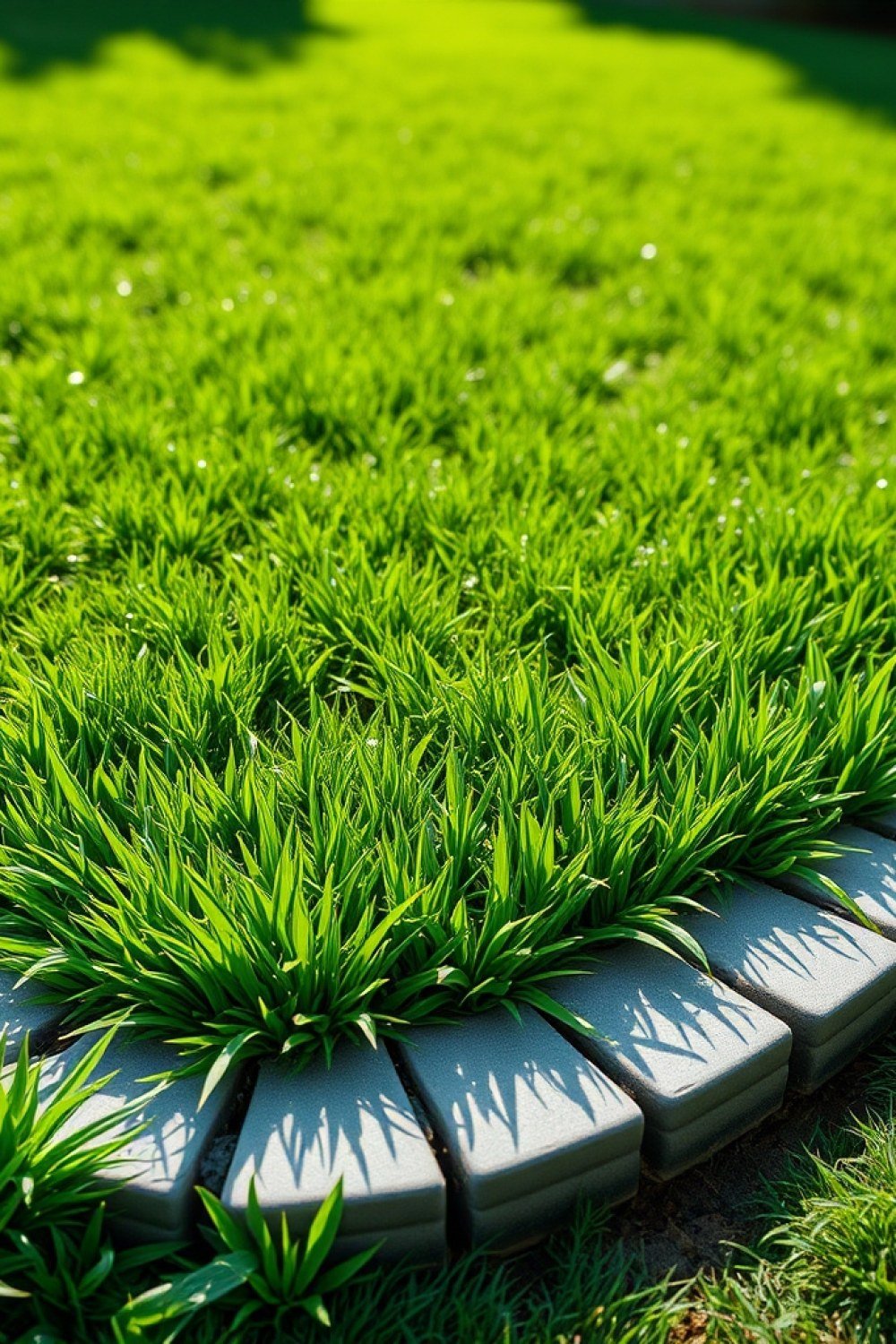
Drop the lawn 3-4 inches below the surrounding patio or deck so it reads as a green inlay rather than a patch. A slight recess also holds moisture and channels runoff.
Edge with cut granite or troweled concrete, and grade the soil so water sheds toward a planted drain or a small gravel trough.
This one suits modern courtyards and rooftop terraces where the lawn is a design feature, not a sports field. It hides a small patch’s awkward proportions beautifully.
Do this: build the edge first at final height, then backfill and settle the soil to your finished grade — never the other way around.
6. Zoysia for Tough Spots
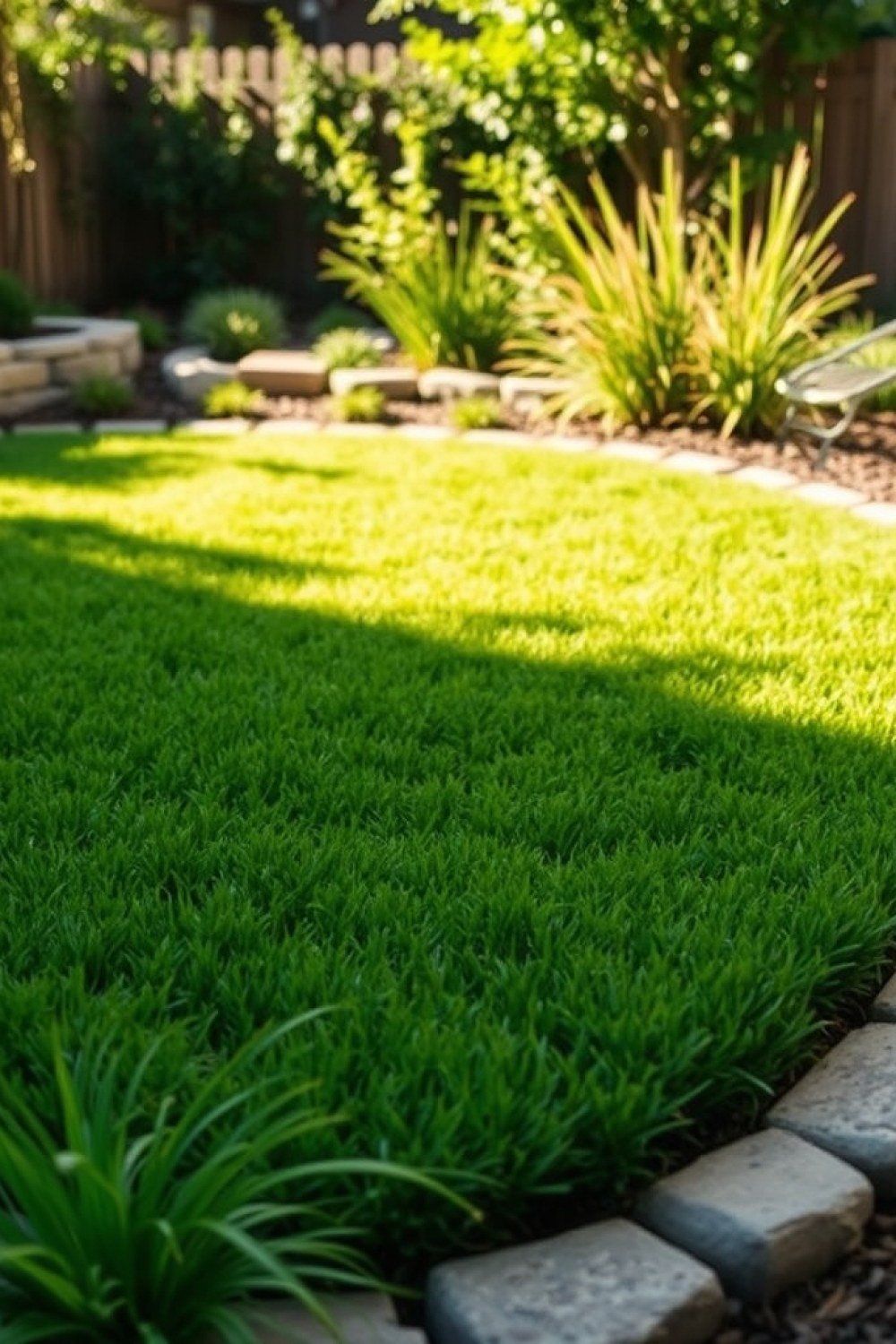
If your grass area gets baked sun, dog traffic, or clay soil, plant zoysia plugs instead of fescue seed. Zoysia grows so densely that weeds struggle, needs mowing every 10-14 days instead of weekly, and handles heat better than bluegrass.
It does go straw-colored for 3-4 months in cold winters, so pair it with evergreen shrubs for winter structure.
Best for hot-climate yards and anyone tired of patching bare spots every spring. Plug spacing of 6-12 inches fills in within one full growing season.
Do this: plant plugs in late spring after soil hits 65°F, water daily for two weeks, then taper to twice a week.
7. Grass Between Pavers

Swap one solid lawn square for a grid of large pavers — 24-inch concrete or bluestone — set with 2-inch gaps and planted with creeping thyme or dwarf mondo grass. You get green underfoot with zero mowing; a string trimmer pass twice a summer is the whole job.
It works because the pavers carry the traffic while the plants soften the seams and knit the whole area together. The look reads intentional from day one, and weeds have far less bare soil to colonize. Best for courtyards, entries, and side strips too narrow to turn a mower.
Lay a permeable base of 3/4-inch gravel under the pavers so water drains instead of pooling in the gaps and rotting roots. Tip: fill gaps with a sandy soil-compost mix, not straight garden soil, and water the plugs daily for the first two weeks.
8. The Kid-Free Turf Strip

Reserve a narrow 3-4 foot band of lawn along your sunniest wall — just enough for bare feet, a lounge chair, and a book. Move swings, toy bins, and ball play onto mulch or rubber tiles elsewhere, so the turf never takes a beating.
Fescue that never sees a swing set recovers fast, thickens on its own, and needs almost no overseeding or patch repair. It also dries out less because there’s no compacted traffic path down the middle. Ideal for townhouse yards where you want one soft, green moment.
Keep a small hose reel right at the edge so deep-watering once a week is easy — one long soak beats daily light sprinkling every time. Tip: water in the early morning and skip it entirely the week after rain.
9. Raised Turf Platform
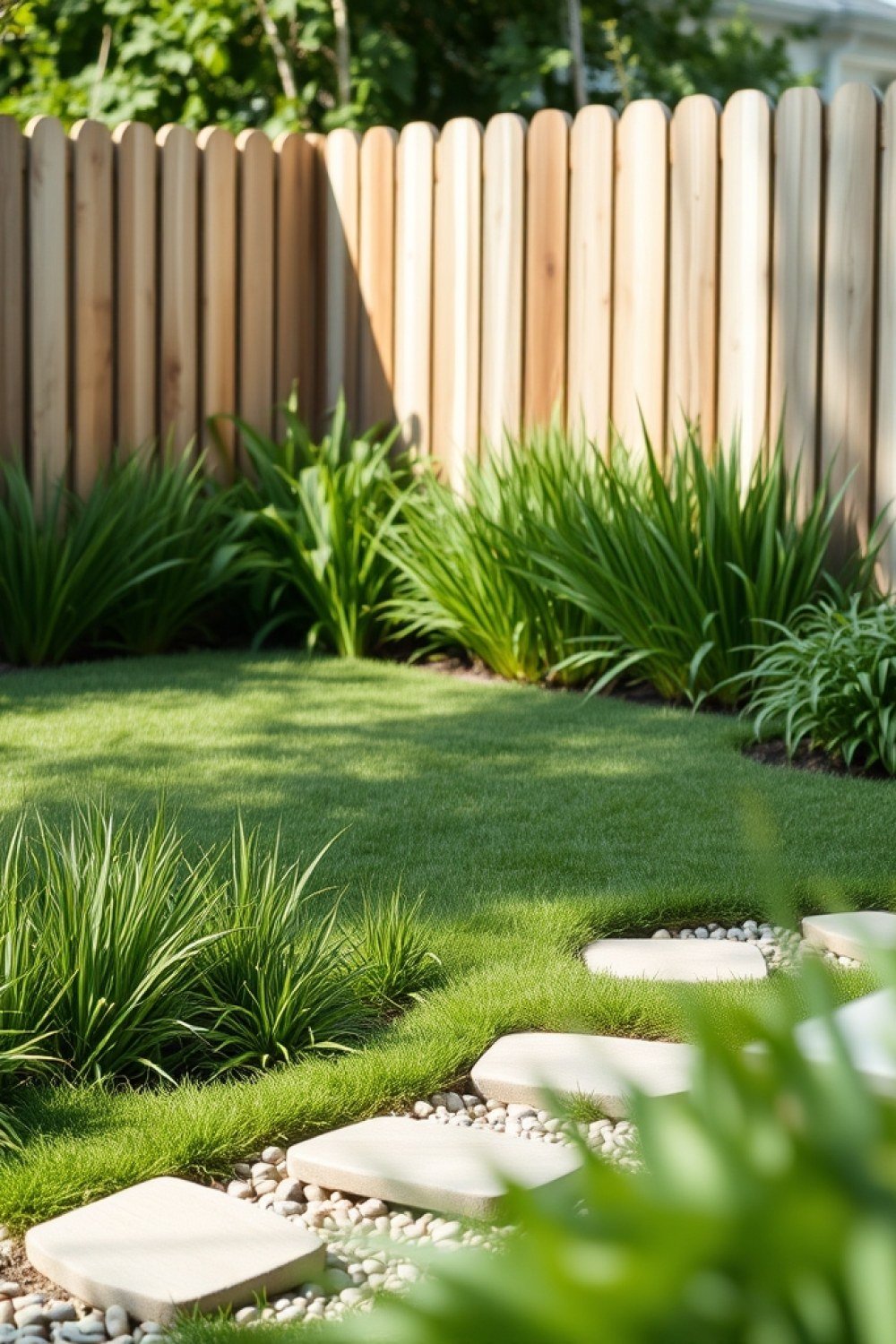
Build a low 6-inch raised bed, fill it with topsoil, and lay turf on top — a green rug sitting over gravel, concrete, or hopeless clay. It’s the fix for yards with terrible native soil, shallow roots, or a paved patio you still want to soften.
Because the roots never reach surrounding trees, the grass stops competing for water and nutrients and stays uniformly green. Depth and drainage are fully under your control, which means fewer brown patches. Perfect for roof decks, courtyards, and lots built on fill.
Edge it with cedar or composite so the soil stays put and the lines stay crisp. Tip: water by hand or with drip line so nothing runs off onto the hardscape and stains it.
10. Buffalo Grass for Low Water
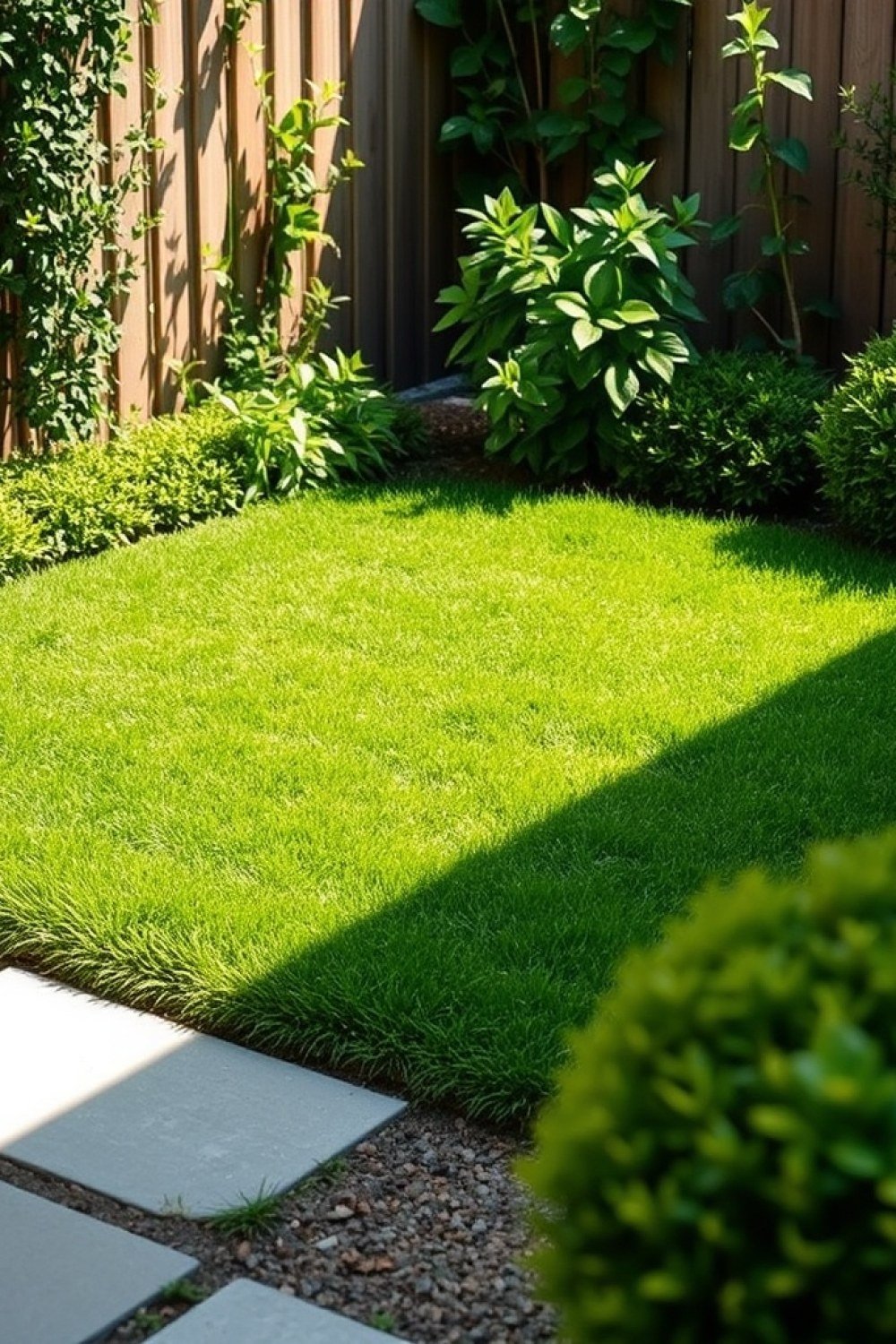
In hot, dry regions, plant buffalograss plugs instead of seed — after establishment it survives on rainfall alone and tops out at 4-6 inches, so you mow 3-4 times a season or skip it completely. It’s the closest thing to a no-work lawn.
The blades are soft and fine, more meadow than manicured, which suits viewing areas and naturalistic borders. It won’t stand up to heavy foot traffic or kids’ soccer, so treat it as a green backdrop rather than a play surface. Great for xeriscape front yards and dry side strips.
Plugs fill in over one to two growing seasons, so space them 12-18 inches apart and keep them damp through the first summer. Tip: don’t fertilize heavily — rich soil makes it floppy and invites weeds.
11. The Corner Lawn Wedge
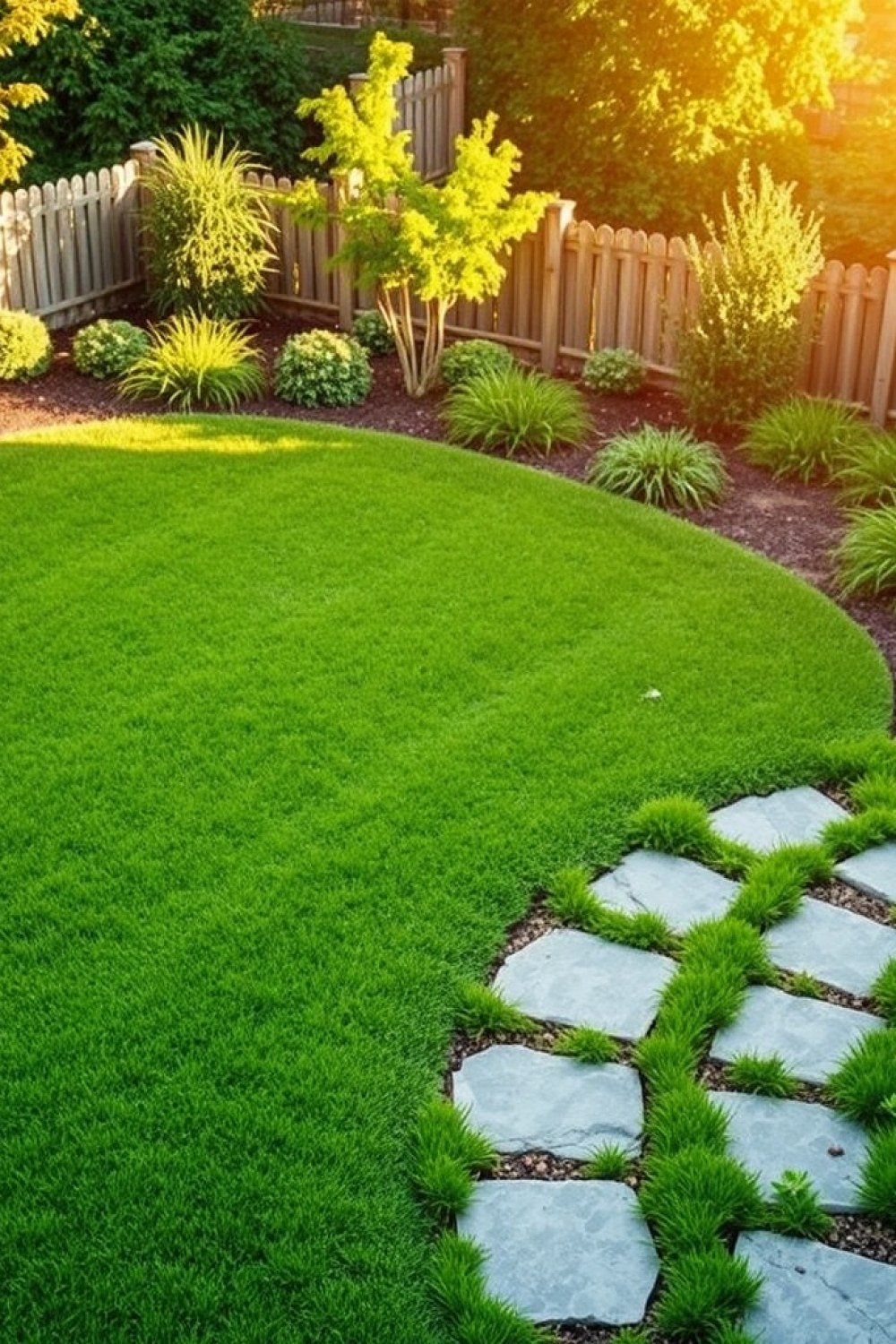
Give the grass just one corner of the yard and let everything else be planted beds, gravel, or deck. A triangular wedge tucked against two fences mows in two passes and instantly gives the space a clear focal point.
The trick is orienting the long edge toward the house so the wedge looks wider from your door, and hiding the sharp point behind a large pot, boulder, or clump of grasses. Angles read as designed; random squares read as leftover. Suits small city lots and courtyard gardens.
Fill the surrounding beds with drought-tolerant perennials and gravel so the contrast does the work for you. Tip: set the point at least 2 feet from the corner so you can still get a mower around it.
12. Mow-Band Mowing Plan
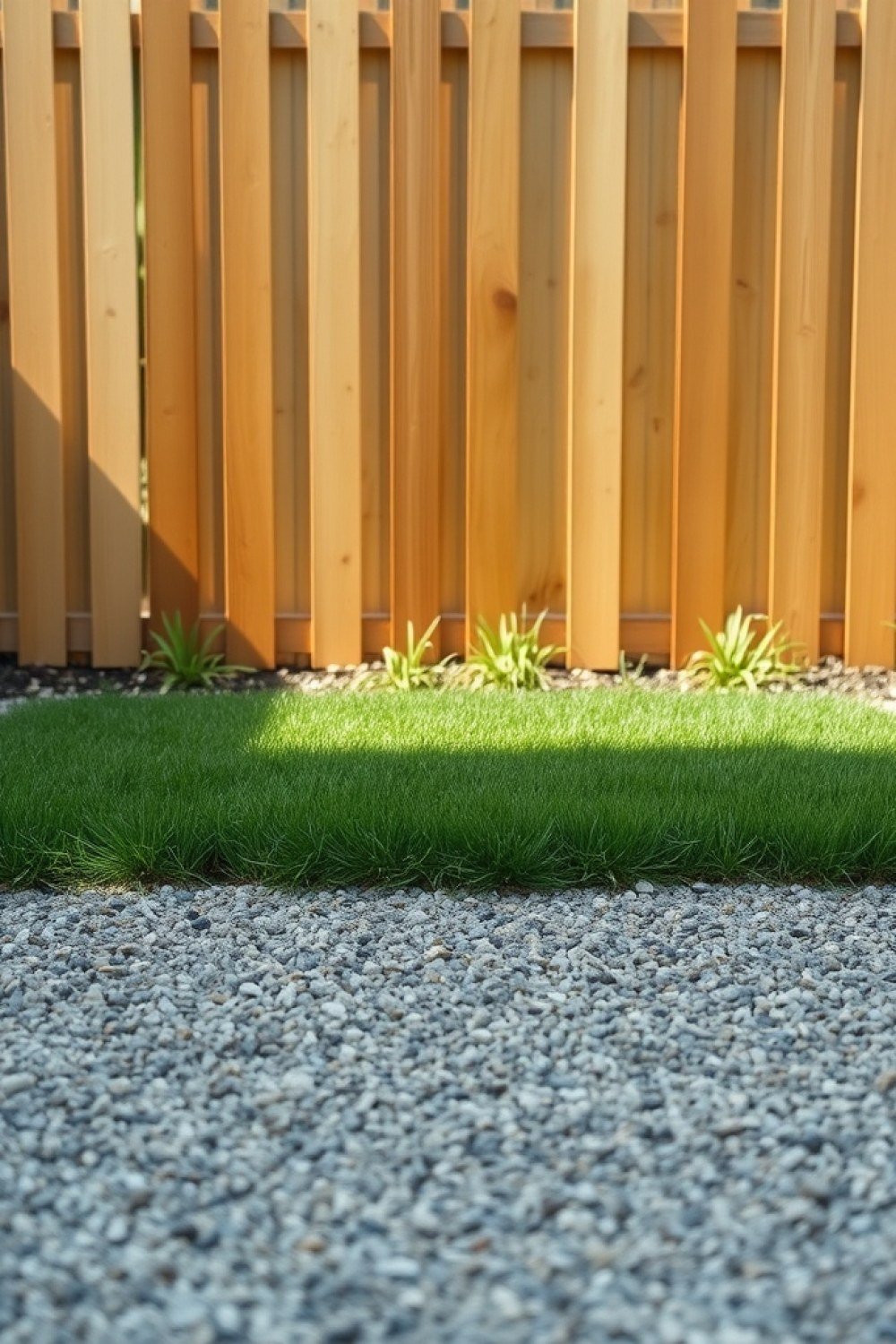
Whatever shape you land on, mow it in one continuous band: start at the outside edge, spiral inward, and never reverse mid-patch. Stopping and turning is what tears turf and leaves ruts on a small lawn.
Set your blade at 3-3.5 inches for fescue or 2 inches for zoysia, and change direction each mow so the grass doesn’t lean and develop grainy stripes. Taller blades shade the soil, which means less watering and fewer weeds. Small patches fail most often from scalping and dull blades, not drought.
Sharpen your mower blade every 20-25 hours of use — a ragged cut browns the tips fast. Tip: mow when the grass is dry and never remove more than a third of the blade height in one pass.
Your Questions, Answered
What is the easiest grass to keep lush in a small area?
Tall fescue for cool climates, zoysia or buffalograss for hot ones. All three tolerate being mowed high (3 inches or more), which shades the soil, slows evaporation, and crowds out most weeds — the biggest time-savers in a small patch.
How often do I need to water a small lawn?
Once or twice a week, deeply, rather than a light sprinkle daily. Small turf has less soil volume to store water, so water until it soaks 4–6 inches down, then let the top inch dry before watering again. Morning watering cuts disease and waste.
Can I keep grass green in a shady small yard?
Yes, but switch the species — fine fescue or a shade-tolerant tall fescue blend handles 4–5 hours of sun far better than standard bluegrass. Also raise the mower height to 3.5–4 inches, thin surrounding tree canopies, and reduce watering since shade slows evaporation.
How do I stop weeds in a small grass area without much work?
Mow high, water deeply but infrequently, and overseed thin spots each fall so bare soil never sits exposed. A thick, tall lawn blocks most weed seeds from germinating. Pull any stragglers by hand after rain — in a small patch it takes five minutes.
Does a small lawn need edging?
Yes, and it matters more than in a big yard because the edge is a large share of what you see. Install steel, brick, or concrete edging once, then refresh the line with a half-moon edger or string trimmer every few weeks. Crisp lines make even a modest patch look professionally kept.
Choosing the Right Idea for Your Space
Match the idea to your sunlight and your soil before you buy anything: baked clay and heavy dog traffic point you to zoysia, deep shade to fine fescue, and bad native ground to a raised turf platform. Snap a photo of your patch at noon to check how many hours of direct sun it really gets — that one step rules out half the wrong choices.
If you’re unsure, start with the rounded grass rug plus good edging — it’s the cheapest upgrade and it works with any grass type you choose later. Whichever route you take, commit to the mow-band routine and one deep watering a week, and your small patch will outshine lawns three times its size.