
19 Backyard Ideas That Transform Your Yard Into a Destination
Here’s the mistake that sinks most backyard makeovers: buying furniture before deciding what the yard is actually for. A new sectional doesn’t fix a patch of grass that has no job, no pull, no reason to walk out the door. Stop shopping and start assigning roles.
A destination yard isn’t a bigger-budget yard — it’s a yard where every corner earns its keep. Fire zone in one spot, cooking in another, a place to be lazy, a place to get wet, a place to gather after dark. Once each area has one clear purpose, the furniture and plants almost pick themselves.
That’s why these 19 ideas are grouped by zone instead of by price. You’ll get the dimensions that actually work (a fire pit circle of 12–14 feet, a plunge pool as small as 8×8), the materials worth paying for, and the lighting details that make a space feel like somewhere you go — not a lawn you mow.
1. Sunken Fire Pit Lounge

A sunken pit is the single biggest transformation per dollar in any backyard. Dig a 12–14 ft circle 12–18 in. below grade, ring it with 2–3 courses of retaining-wall block, and cap with thermal-finish bluestone or travertine that won’t spall from heat.
Build in a 36 in. round steel fire ring over lava rock, or drop in a 48 in. propane insert if you’d rather skip the smoke. Curved benches or low Adirondacks seat six comfortably — just leave 36 in. of circulation behind the chairs so nobody’s scooting past knees.
Two poles and a string of bistro lights overhead turn the whole thing cinematic after dark. Stake out the circle with marking paint and sit in it with a chair before you dig — you’ll catch the “too tight” feeling while it’s still free to fix.
2. Pergola Dining Room
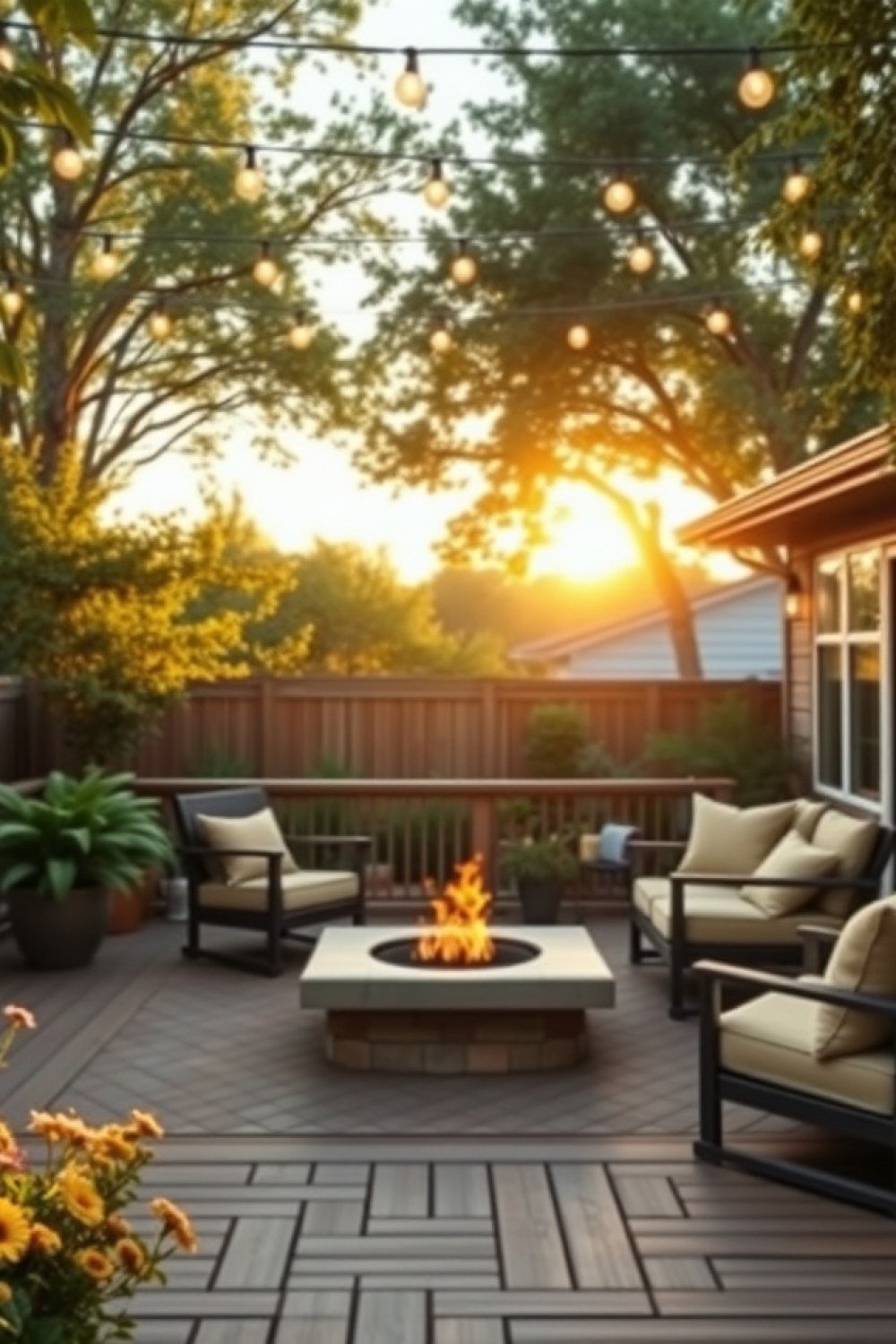
A pergola defines a dining zone instantly and makes the whole yard feel intentional instead of accidental. A 12×14 ft cedar structure over a six-seat table is the sweet spot — plan on 36 in. of clearance on all sides so chairs actually pull out without scraping posts.
For midday sun, add a retractable shade sail or louvered roof panels; for evenings, hang a pendant or two off the rafters with outdoor-rated cord and a proper gasketed box. Stain the wood a warm walnut so it reads as architecture, not lumber.
Set the posts on concrete footings below your frost line — a wobbly pergola ruins the illusion fast. Mark your table’s footprint on the patio first, then build the frame around it with real clearance to spare.
3. Outdoor Kitchen Wall
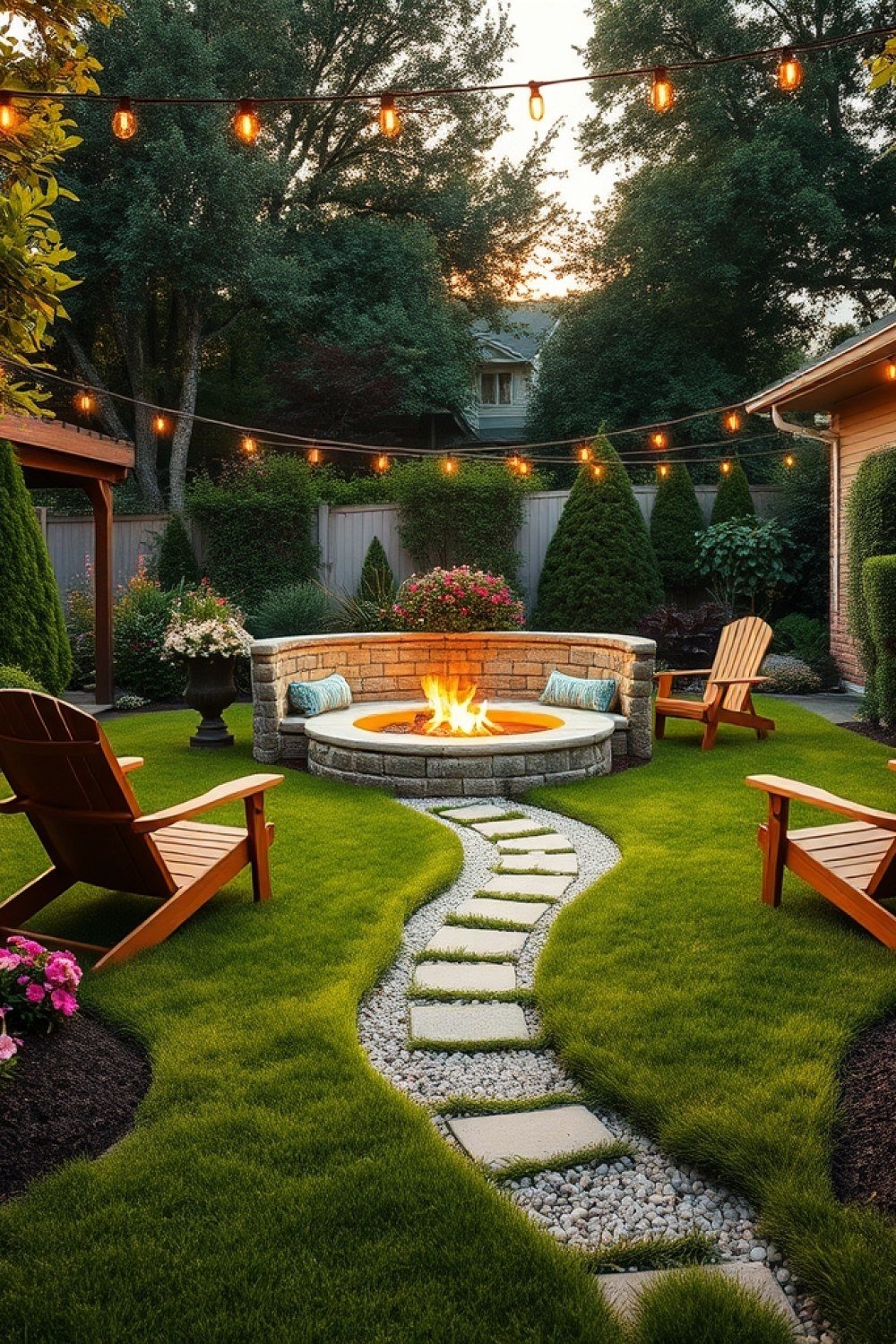
A single 8–10 ft counter run against a fence or house wall delivers about 90% of what a full outdoor kitchen does, for a fraction of the cost and permitting headache.
Build in a 30 in. grill, a side burner, a trash pull-out, and 12 in. of landing space on each side of the grill — that’s where platters actually land. Set 3cm granite or a porcelain slab over a galvanized steel frame, and leave 42 in. of open space behind the counter so the cook isn’t pinned against the wall.
If you entertain weekly, a small under-counter fridge earns its keep more than any other add-on. Measure your grill’s cutout spec before you order the slab — every brand differs by an inch or two.
4. Plunge Pool Corner
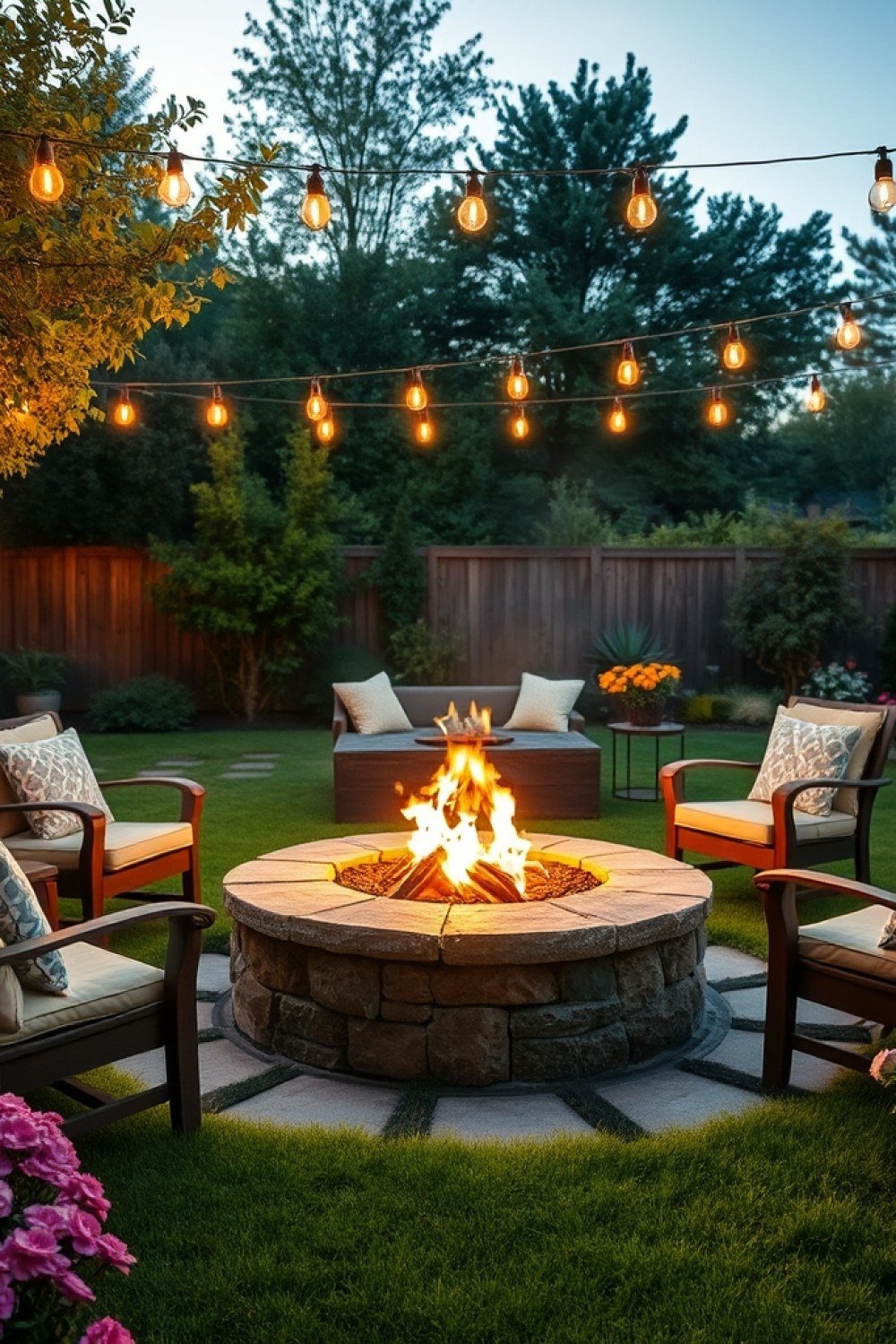
When a full pool won’t fit, an 8×12 ft plunge pool (3.5–4 ft deep) with a built-in bench and one sheer-descent water feature fits the corner of most yards and still reads as a destination.
Gunite lets you shape the bench and steps exactly; a fiberglass shell installs faster and costs less upfront. Add a heat pump if you want shoulder-season soaks — that’s the difference between a two-month pool and a six-month one. Surround it with 24 in. of coping and a small turf or gravel apron, no full deck required.
Fence it to code before you fill it: most jurisdictions require 4 ft minimum with a self-latching gate. Check your local setback from the property line early — it usually drives where the pool can actually go.
5. Movie Night Lawn
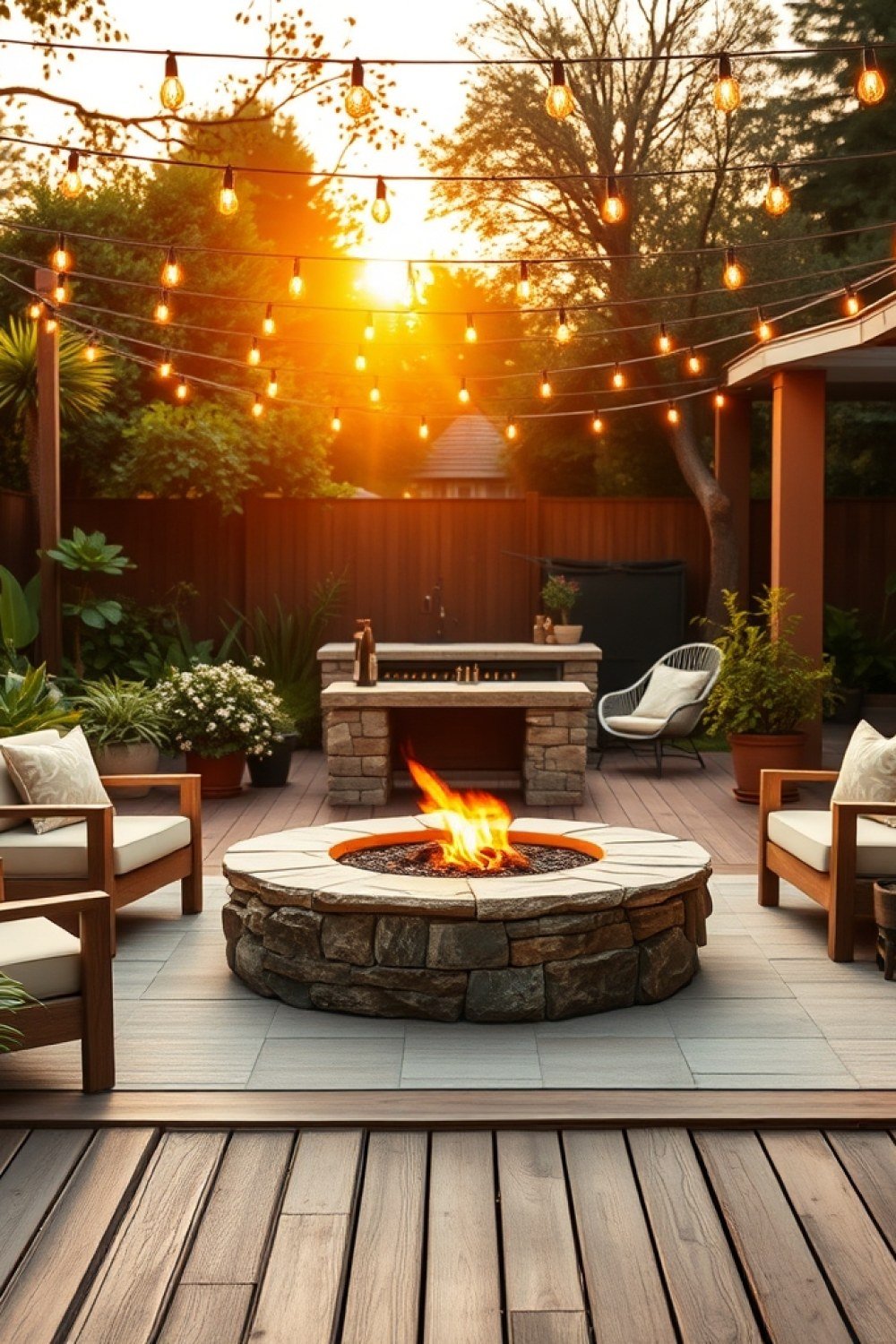
A 12×9 ft inflatable or framed screen against a fence, a 3500-lumen projector on a tripod, and a Bluetooth speaker bar are genuinely all you need to turn a plain lawn into a theater.
Mow and water two days before so the turf is even underfoot, then stake a 10×10 ft ground cloth where the seating goes. Low beanbags up front and a row of camp chairs behind on a slight rise keep sightlines clear — nobody wants to watch through the back of someone’s head.
Run an outdoor-rated extension cord or a portable power station, and dot citronella torches at the corners. Do one dry run in daylight to dial in projector distance and focus before guests arrive after dark.
6. Bocce and Cornhole Court
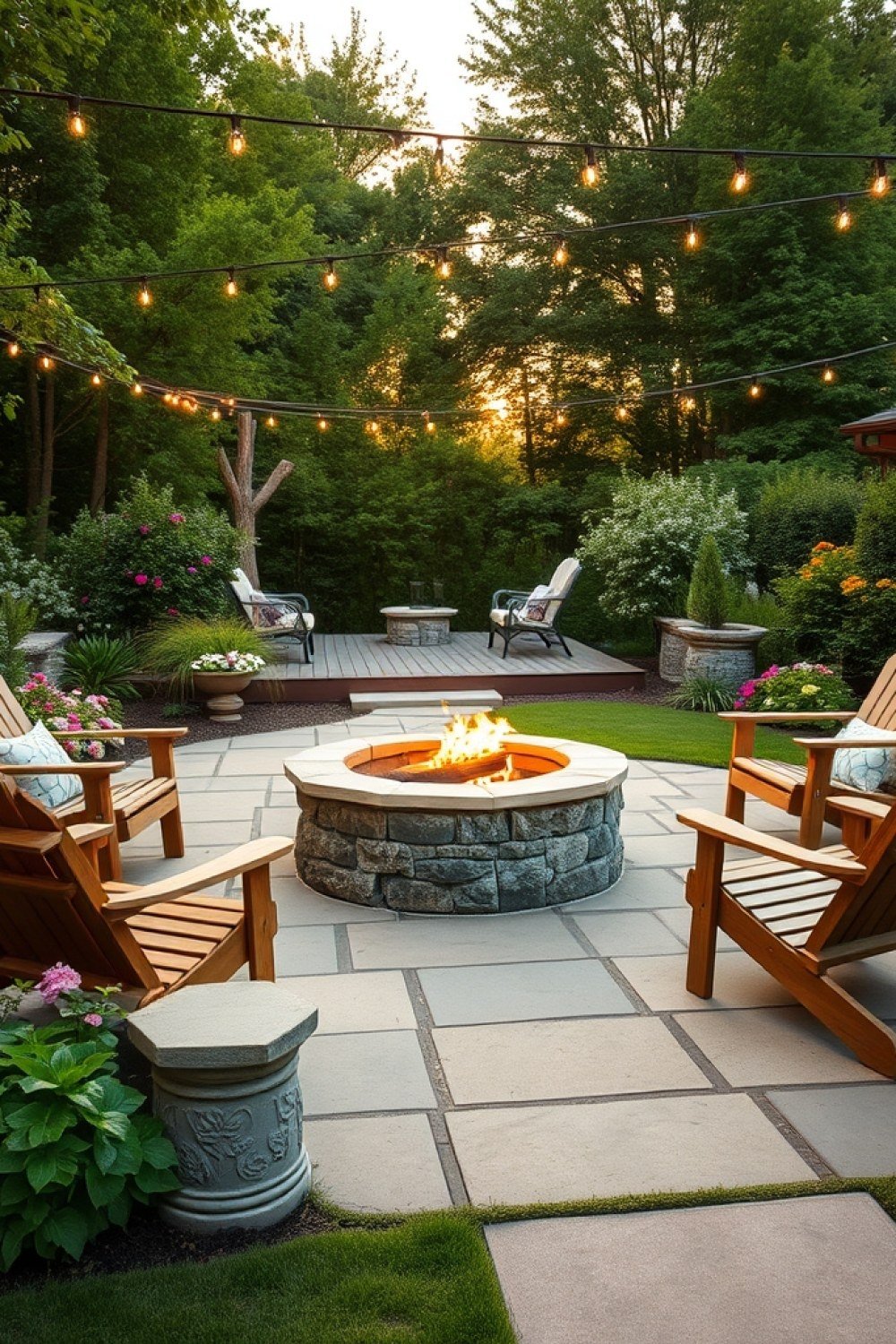
A 60×12 ft bocce court is the classic, but a 10×20 ft pit handles both bocce and cornhole and fits a normal suburban yard. Pressure-treated borders hold the edges clean.
Oyster shell or decomposed granite over 4 in. of compacted base drains best and plays true — rake it after every session so it stays level and weed-free. Add a bench and a small shade umbrella at one end, and keep balls in a lidded deck box so grit doesn’t migrate onto the patio.
Lay landscape fabric under the fill before you dump it; it’s a ten-minute step that saves you a season of pulling weeds out of the gravel.
7. Hammock Grove
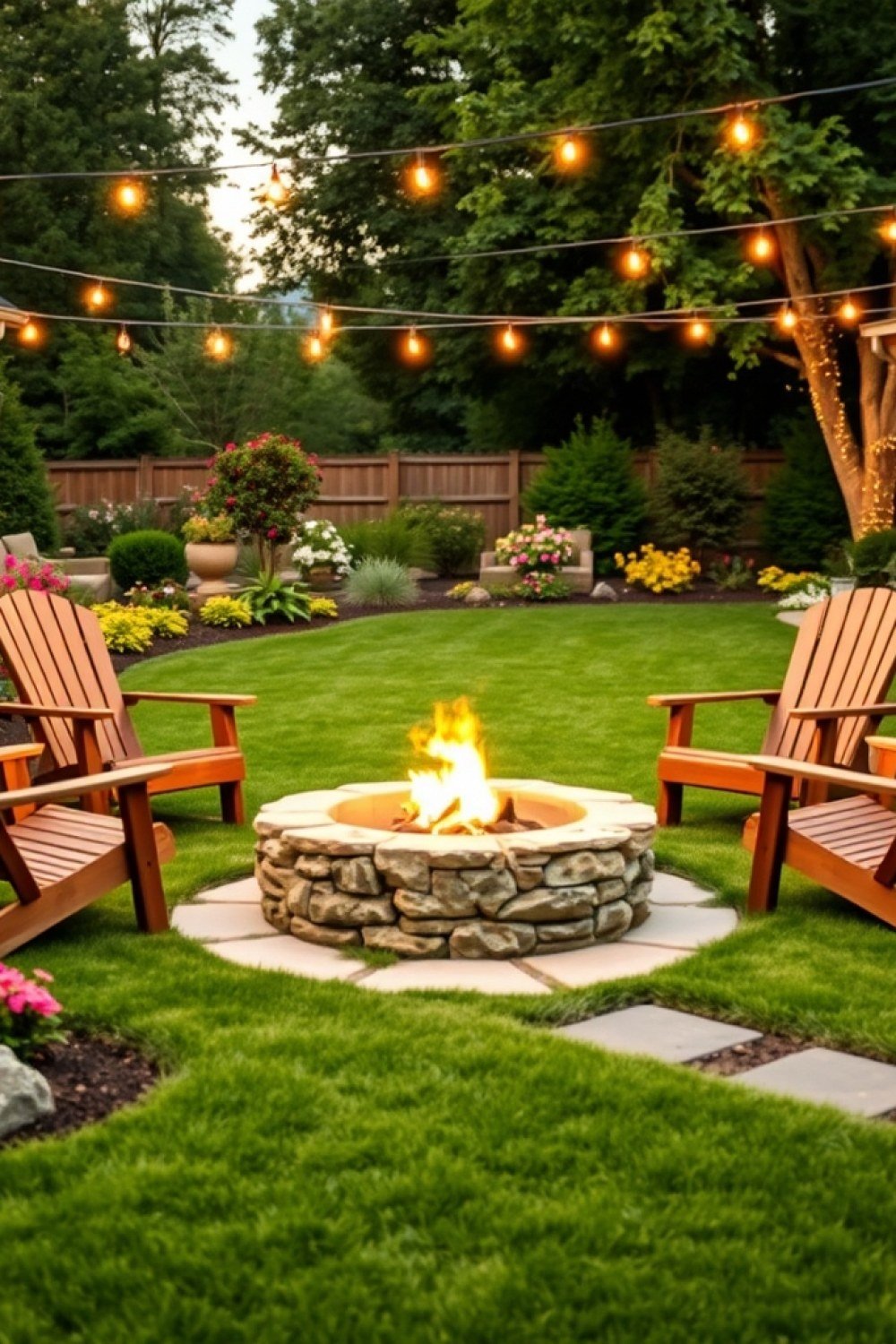
Two mature trees 13–15 ft apart are all you need — that span fits an 11 ft hammock perfectly with tree straps, never rope, since rope girdles bark over time. No trees? Set two 6×6 posts 24 in. deep in concrete and you’ve got the grove anyway.
Angle the hang so the lowest point sits about 18 in. off the ground — high enough to clear, low enough to sink into. A small side table within arm’s reach holds your drink, and a shade tree on the south side keeps the afternoon sun off your face.
It suits anyone with a corner of the yard that does nothing. Tip: test your hang height with a tape measure before you commit — 18 in. at the lowest point is the sweet spot.
8. Cedar Cold Plunge
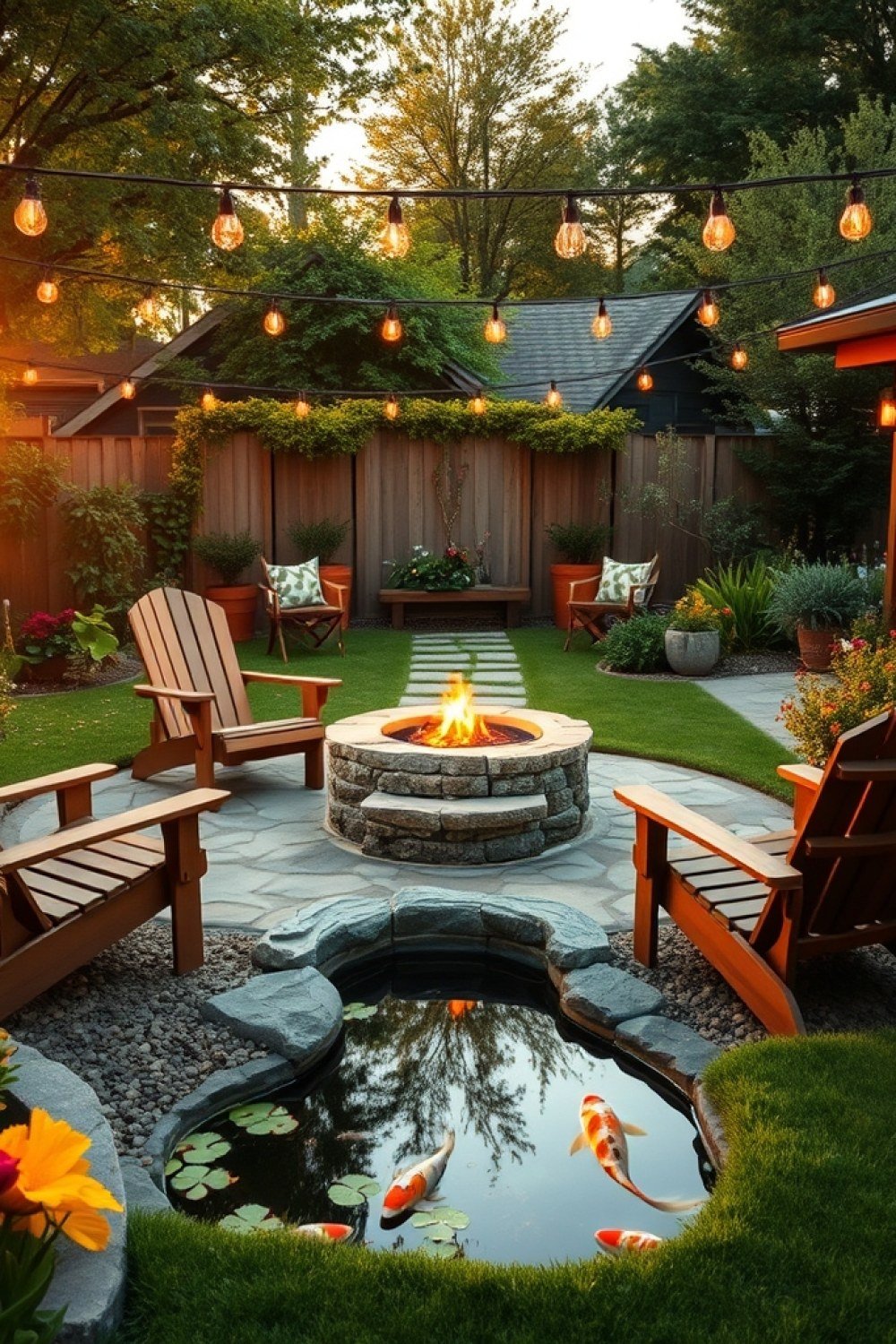
A wooden barrel or cedar tub (4–6 ft diameter) with a chiller unit holds 45–55°F year-round, and suddenly a quiet corner becomes a daily wellness routine instead of dead space. The cedar smells incredible and insulates naturally, so the chiller works less.
Site it on a level 4 in. concrete pad or a compacted paver base — anything uneven will stress the staves. Keep it near a hose bib for filling and a GFCI outlet for the chiller, and you’ll never dread maintenance.
It’s ideal for small yards where a full pool is out of the question. Add a teak step, a hook for your towel, and a small slatted mat so you’re not standing on wet stone when you climb out. Tip: measure your gate before ordering — a 6 ft tub won’t fit through a 36 in. opening.
9. Sauna Shed Retreat
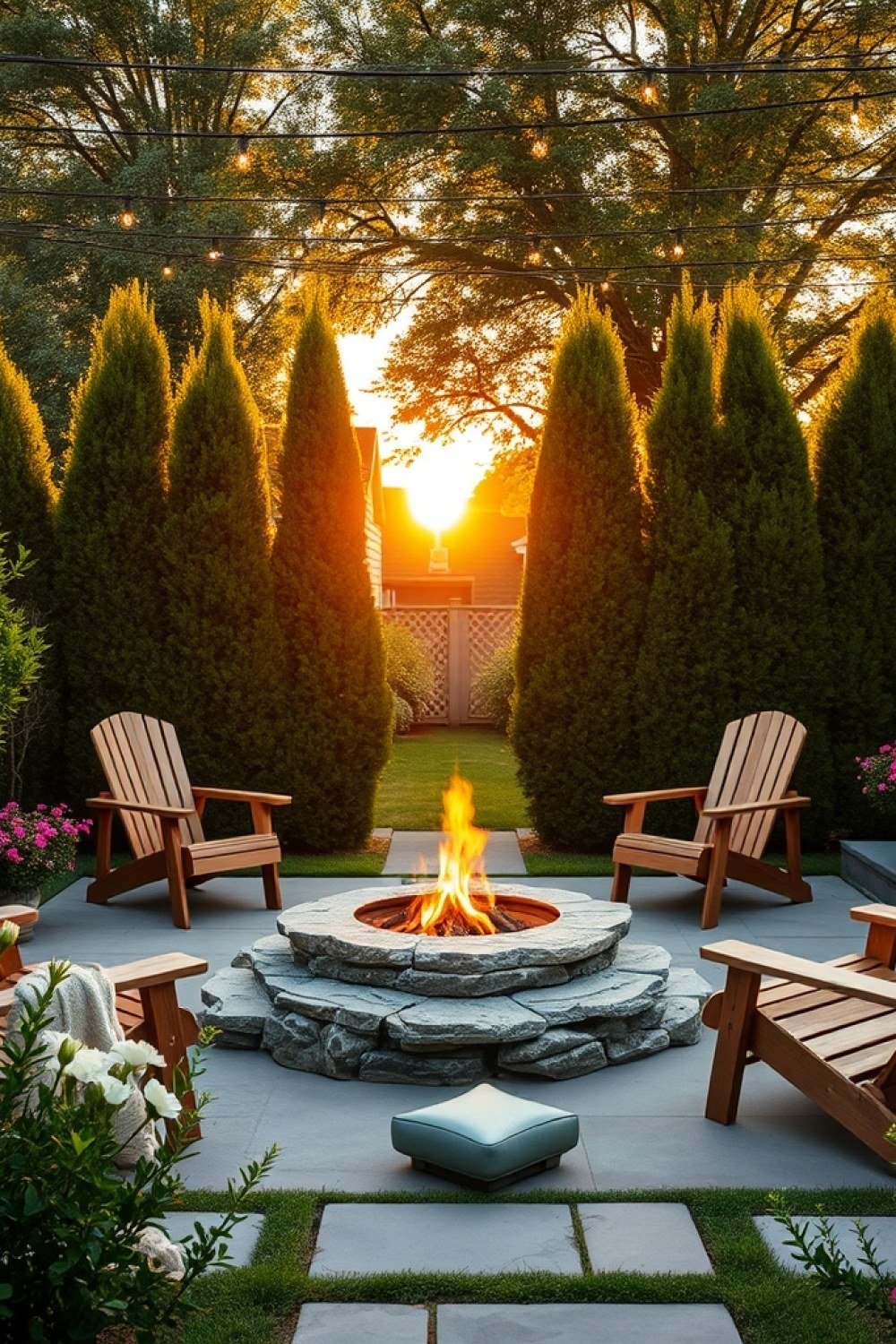
A 6×8 ft barrel or cabin sauna at the back of the yard is a destination in itself — you walk out, you’re somewhere else. You’ll need a 240V circuit for an 8kW heater, 36 in. of clearance around the heater, and a small gravel pad that drains so the base stays dry.
Cedar or thermo-aspen interior handles the heat and humidity without complaint. Add a bench at two heights so you can sit or lie down, plus a bucket-and-ladle setup for the steam ritual — it’s the difference between a hot box and a real sauna.
Pair it with a cold plunge or outdoor shower 10–15 ft away and you’ve got the full hot-cold circuit in your own backyard. Tip: put the door facing your house so you’re not trudging through wet grass in a towel.
10. String Light Canopy
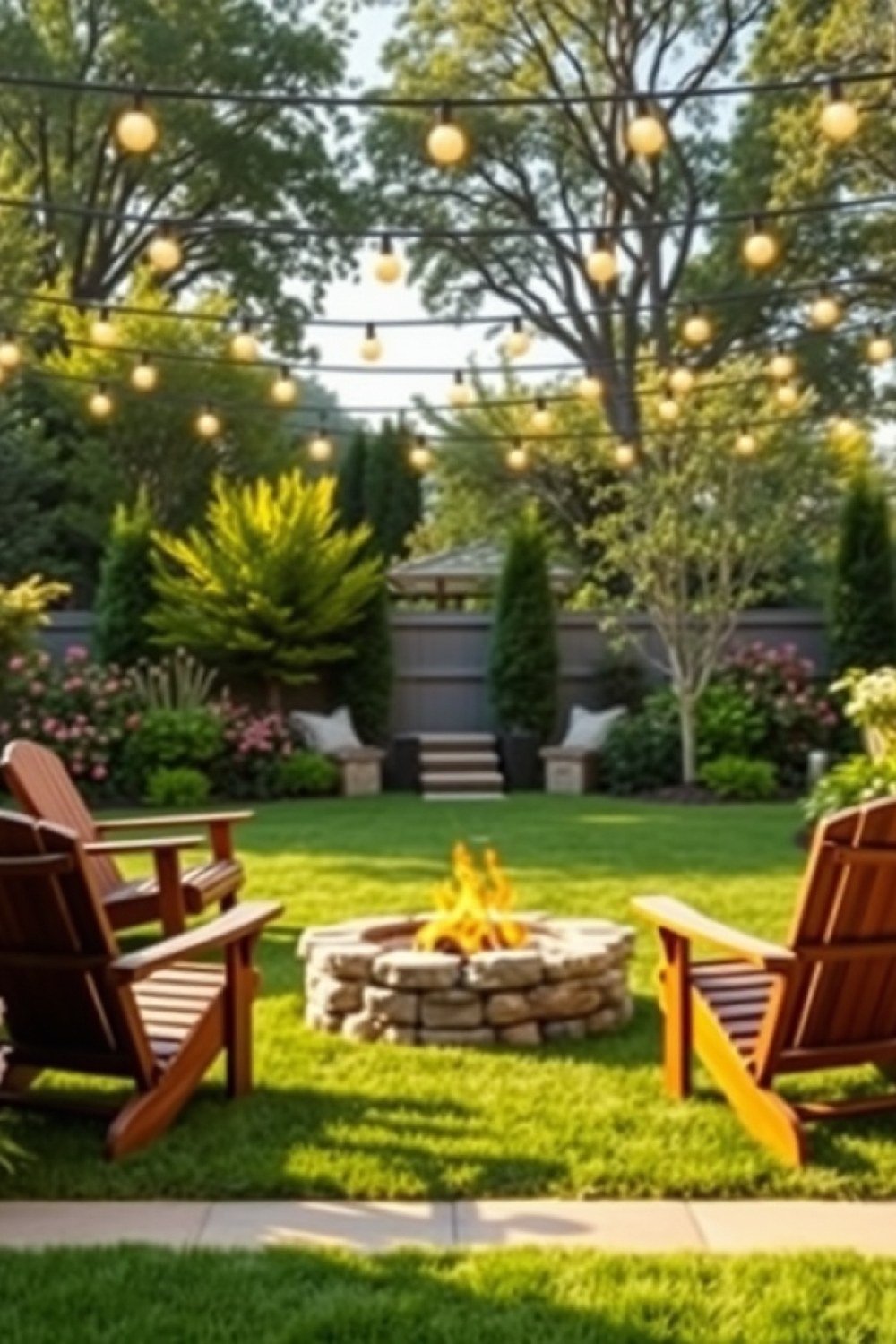
This is the cheapest way to make a plain yard feel like an event. Use commercial-grade 14-gauge string lights on 12–15 ft poles — wood, metal, or a pergola frame — with a turnbuckle and eye hook at each end so you can actually tension them.
Space runs 8–10 ft apart and hang the lowest point at 8 ft so nobody walks into them, tall guests included. Saggy lights look sad; taut lights look intentional, and the turnbuckle is what gets you there.
It suits renters too — freestanding poles mean no drilling into the house. Put the whole run on a smart plug so the yard lights up on a schedule without you thinking about it. Tip: buy one extra strand — you’ll always need it for the last gap.
11. Outdoor Shower Stop
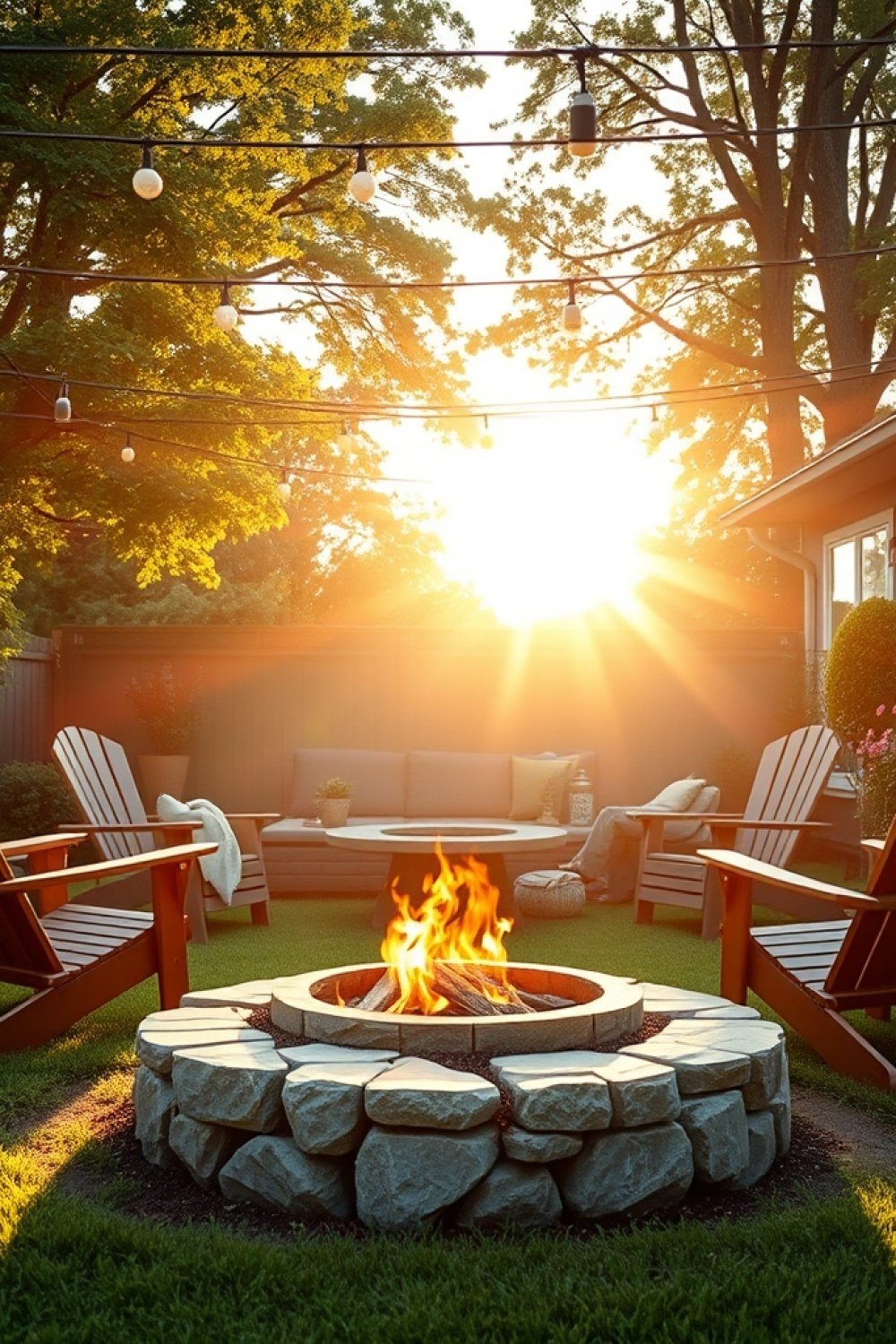
A 6×6 ft paver pad, a rainfall head on a 7 ft copper or matte-black riser, and a privacy screen of cedar slats or a living hedge — that’s the whole build, and it earns its keep fast. Run hot-and-cold lines from the house (trench to 12 in. depth for code) or use a tankless portable heater for a seasonal setup.
The riser height matters: 7 ft puts the rainfall head above your head so you get the full cascade instead of a face-full of water. Cedar slats give privacy without a solid wall, so air moves and mildew doesn’t set in.
It works as a real post-pool or post-sauna stop, not just a rinse. Add a teak bench, a hooked robe, and a small tray for soap. Tip: slope the paver pad slightly away from the house so runoff never pools at your foundation.
12. Zen Gravel Garden

A 10×10 ft section of 3/4 in. washed gravel over weed fabric, raked in curved lines around 3–5 boulders of varying size, gives a calm visual break between your active zones. It’s the exhale in the middle of the party.
Add a single Japanese maple or a moss mound as a focal point — one, not three, or it stops feeling zen. Keep it weed-free with a pre-emergent in spring; skip that step and you’ll be pulling weeds out of gravel all summer.
Rake it weekly — the ritual is half the pleasure, and it’s genuinely meditative after a long day. It suits anyone who wants low-maintenance calm without a lawn. Tip: buy boulders in odd numbers and vary the sizes; matching rocks look like a mistake.
13. Pizza Oven Piazza
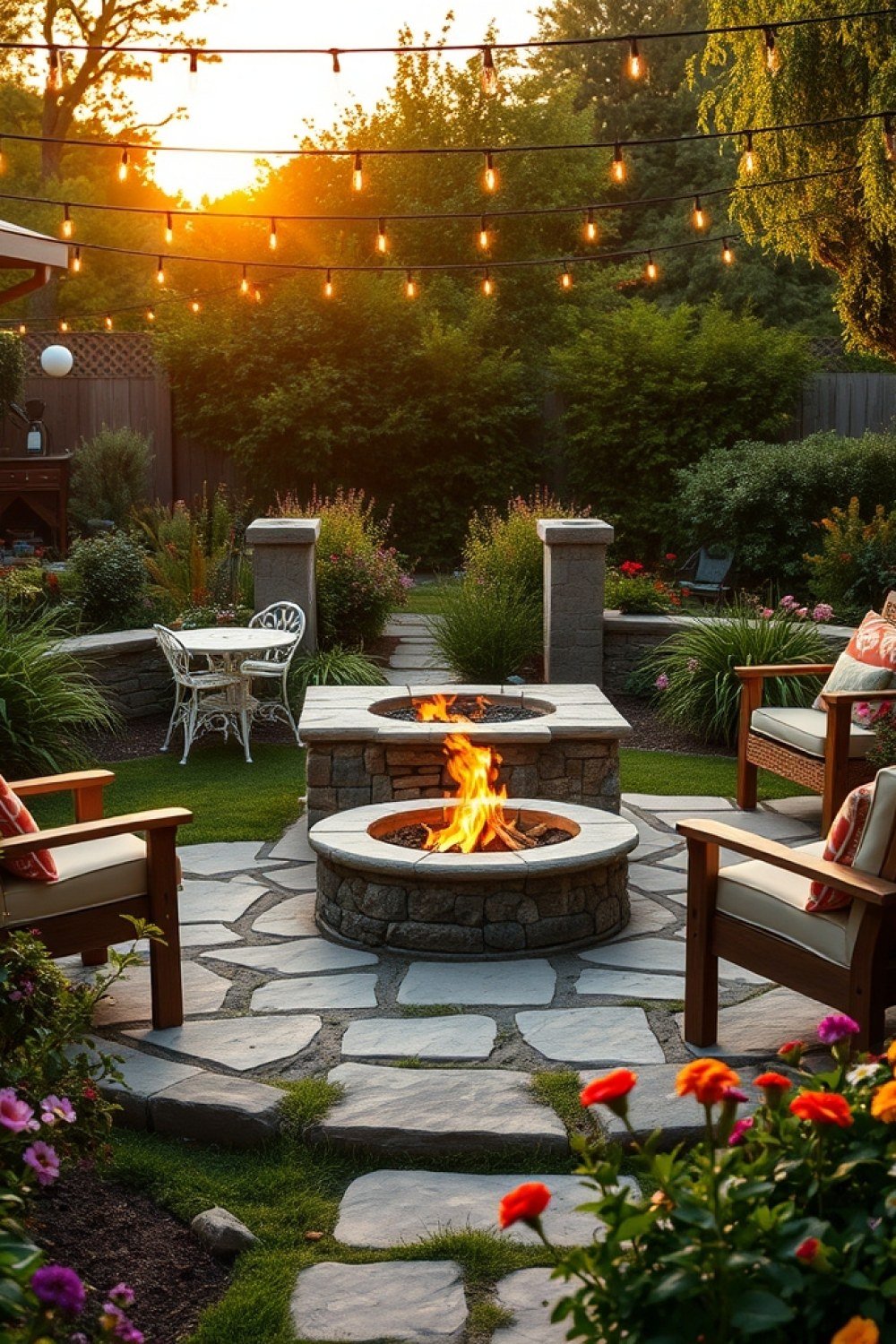
A counter-height 32 in. oven on a 36 in. deep masonry or steel counter gives you a real Neapolitan setup, not a novelty. Leave a 24 in. landing on each side for dough, flour, and finished pies, plus 5 ft of clearance in front for the peel swing.
Fire it to 750–900°F and a margherita bakes in about 90 seconds, leopard-spotted and blistered. You’ll want a turning peel, a wire brush for the floor, and a covered wood bin so dry fuel is always within reach.
If you’ll cook at midday, plan a shade structure — pergola slats or a simple awning — or the standing heat will end your pizza night early. Propane hybrids heat faster; wood ovens taste better. Tip: pour a level concrete pad first, then build the counter so your oven floor sits at 40 in. — elbow height, not waist height.
14. Treehouse Lookout
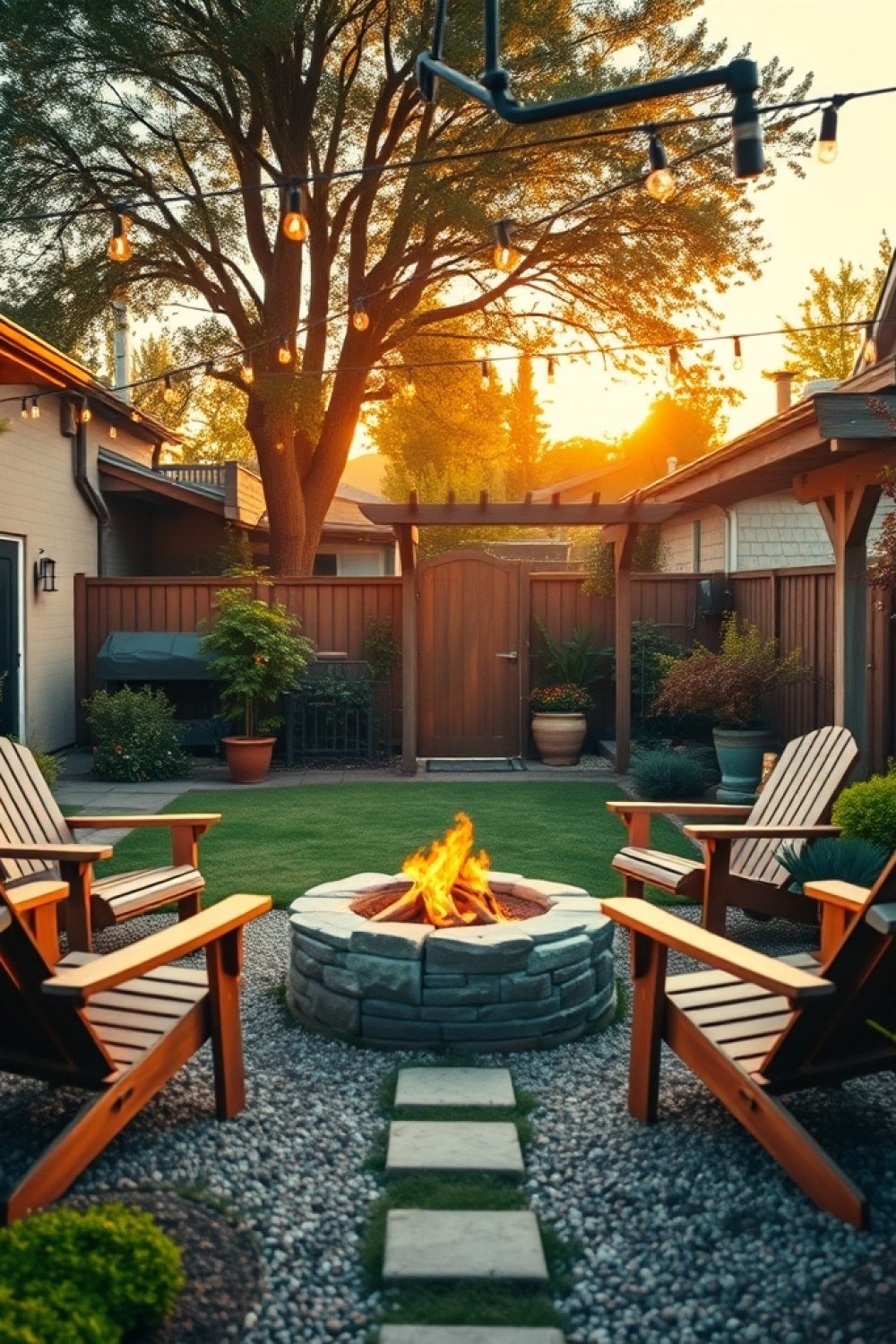
A 6×8 ft platform 8–10 ft up becomes both a kid-magnet and a quiet adult perch with a mug of coffee. Support it on 4×4 posts set in concrete, or bracket it to a mature tree using tree-friendly hardware that lets the trunk grow without girdling.
Add a simple gable roof, a 2 ft railing with vertical pickets spaced no more than 4 in. apart, and either a rope ladder or a proper staircase with handrails. Staining it to match your fence is the trick — it reads as part of the yard instead of a looming structure.
Renters can go modular: a bracketed platform kit comes down in an afternoon. Tip: hang a small pulley bucket for snacks, books, and secret supplies so nobody’s climbing one-handed.
15. Potting and Cutting Bar
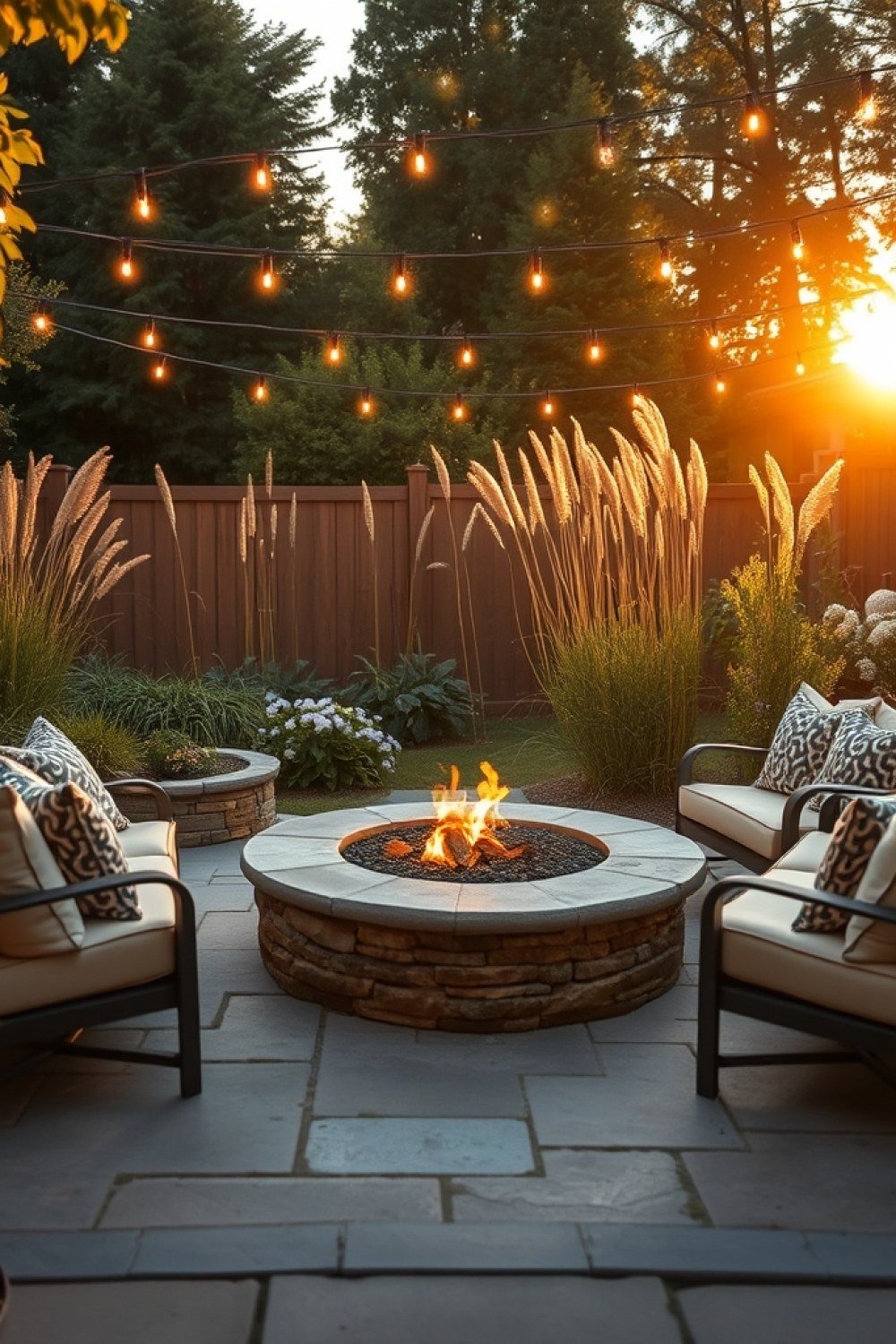
A 6 ft counter at 36 in. height against the shed or house, with a sink, an open lower shelf for pots, and hooks above for snips and twine. This is where plants get staged before they hit the beds — and where the work actually becomes pleasant.
Choose a waterproof surface: a soapstone offcut, composite, or sealed cedar all shrug off wet soil. Mount a hose reel on the wall so you’re not dragging a coil through the yard, and keep a bin of potting mix on a rolling tote underneath so you can wheel it straight to the beds.
It suits anyone who starts seeds, divides perennials, or cuts flowers for the house. Tip: run a short drain line or set a 5-gallon bucket under the sink — you’ll rinse more pots than you expect.
16. Pickleball Mini Court

Most mid-size yards fit a real 20×44 ft pickleball court. Short on space? A 20×30 ft strip with a portable net handles drills, kids, and casual rallies just fine.
For the surface, go with an acrylic sport coating over asphalt, or snap-together modular tiles over a compacted base — both play true and drain well. Fence with 10 ft chain-link, or 4 ft black vinyl topped with a ball-stop net to keep balls out of the neighbor’s petunias.
Finish it as a destination, not just a court: a bench, a small shade sail, and a ball hopper at center. Tip: orient the long axis north-south so the sun isn’t in someone’s eyes at either end.
17. Container Kitchen Garden
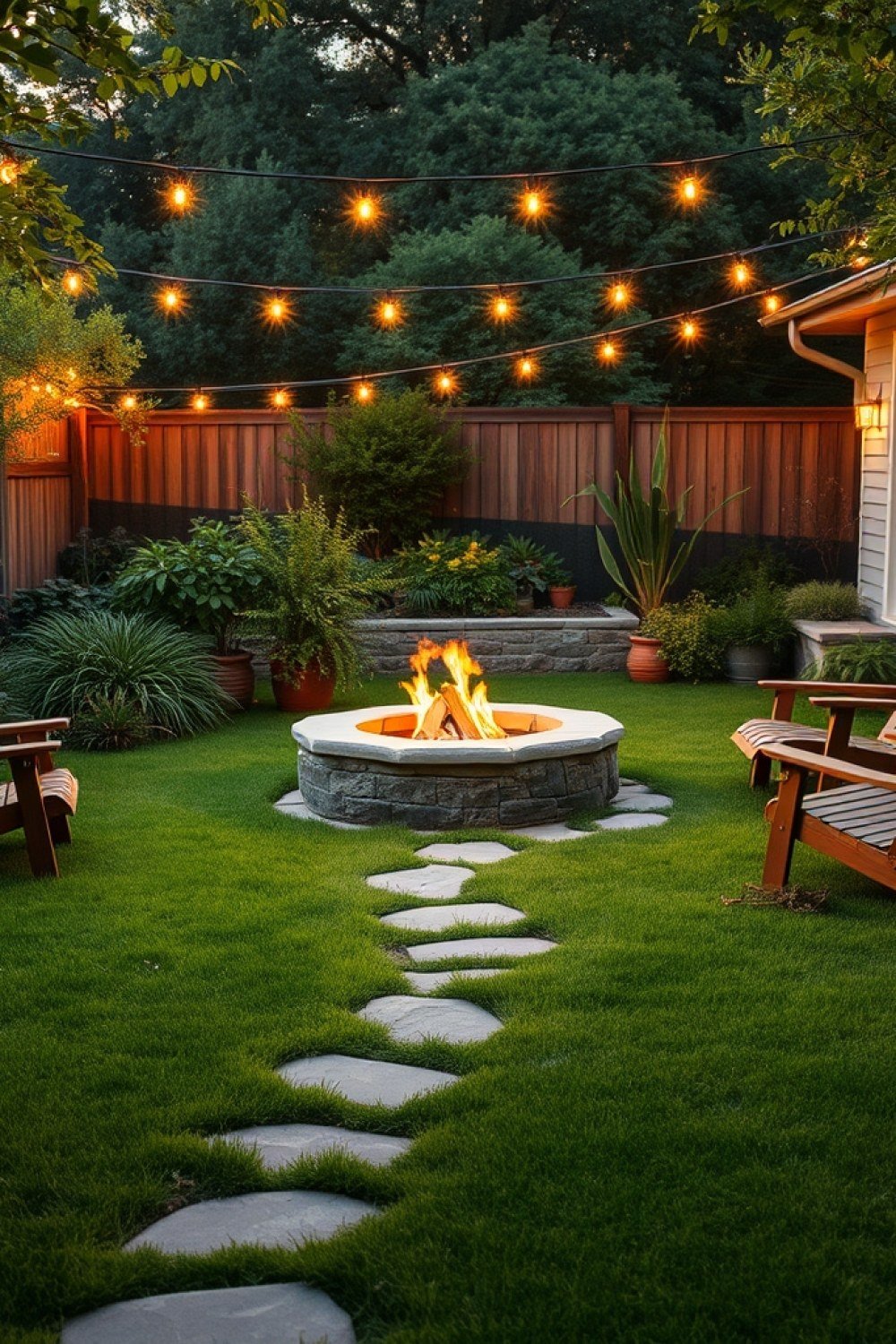
A destination can be productive. Line a sunny south-facing fence with 5–7 galvanized troughs or 24 in. terracotta pots on casters — tomatoes, peppers, herbs, and a dwarf citrus all thrive in that reflected warmth.
Fill with a 60/40 mix of potting soil and compost, then water on drip irrigation so it’s hands-off through July. A 3 ft tall trellis panel behind doubles your yield with beans or cucumbers running up it. Put a small folding table and stool at one end for harvesting and snipping.
It suits renters, small yards, and anyone with bad knees or heavy clay soil. Tip: cluster pots on casters in twos so you can rotate them toward the sun and pull them under cover before a frost.
18. Tea House Nook

An 8×8 ft deck or concrete pad under a simple gable roof, with low seating around a 24 in. round table and shoji-style screens on two sides. Add a small gravel apron, a stone lantern, and a maple or bamboo in a pot.
What makes it work is restraint: keep the palette to three materials — wood, stone, and one green — so it reads as a single calm destination instead of a collection of parts. Screens give privacy without blocking breezes.
It suits anyone who wants a morning-coffee or evening-wine spot that’s five steps from the back door. Tip: set the lantern near the gravel edge and light it at dusk — the glow is what turns a pad into a place.
19. Stargazing Platform
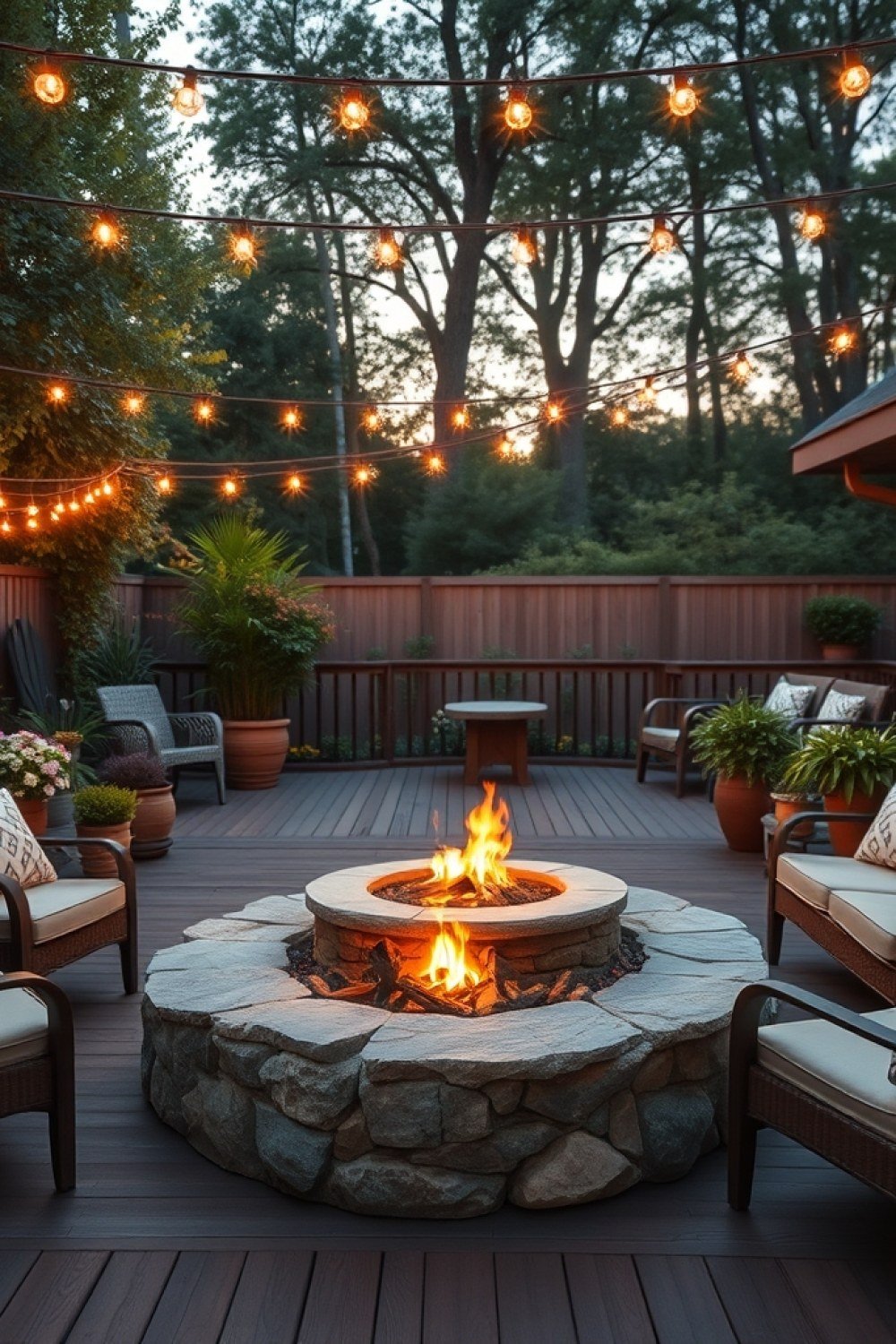
A 10×10 ft deck tucked into the darkest corner of your yard — away from porch lights and street glare — becomes a destination the moment the sun drops. Build it low to the ground on ground-contact 2×6 pressure-treated joists over gravel, or float composite deck tiles if you rent.
Two chaise lounges set to a 10° recline let you relax without straining your neck; a small side table holds mugs and a thermos. Hang a red-light headlamp on a hook — white light kills your night vision for up to 20 minutes, red preserves it.
Add a weatherproof bin with two wool blankets and a laminated star chart or planisphere. Suits anyone with a light-polluted but dark-ish back corner who wants a reason to be outside after 10pm. Tip: keep string lights off or on a dimmer — the destination is the sky.
Frequently Asked Questions
What’s the first thing I should build in a plain backyard?
Start with one destination zone, not a whole plan. A fire pit lounge or a pergola dining area gives you the biggest shift in how the yard feels for the least money and permitting hassle.
Then add lighting — string lights on a smart plug — so you actually use the space after dark. Everything else can follow in later seasons.
How much does a destination backyard cost to build?
A DIY fire pit lounge with block and a propane insert runs $800–$2,500. A cedar pergola kit is $2,000–$6,000 installed. An 8×10 ft plunge pool is $25,000–$45,000 before decking.
You can stage it: do lighting and seating first, then hardscape, then water features. Prioritize the zone you’ll use most.
Do I need a permit for a pergola, fire pit, or pool?
Most jurisdictions require a permit for a pool or spa (and any fence around it), and for a pergola or shed over a certain size — often 120–200 sq ft, or anything attached to the house.
Freestanding fire pits under about 3 ft in diameter usually don’t need one, but built-in fire features often do. Call your local building department before you dig; it’s a five-minute call.
How do I keep a backyard destination from looking cluttered?
Stick to three materials across the whole yard — for example, cedar, bluestone, and matte black metal — and repeat them in every zone.
Give each destination a clear boundary (level change, gravel edge, or pergola posts) so it reads as a room, not a pile of objects. Add one hidden storage spot — a bench with a lift lid or a lidded deck box — for every zone.
What lighting works best for a backyard destination at night?
Layer three sources: path lights or step lights for safety at 2700K, string or bistro lights overhead for ambiance, and one focal uplight on a tree or wall.
Put them all on a dimmer or smart plug, and keep the brightest light away from seating so nobody is squinting. Solar stakes are fine for accents but too dim to rely on for entertaining.
Choosing Your First Backyard Destination
If you’re not sure where to start, pick the idea that matches how you already spend your evenings — food, water, fire, or quiet — and build that one zone well before adding a second.
Aim for one destination per season: lighting and seating now, hardscape next year, water or a structure the year after. A yard becomes a destination the moment it has a reason to walk out the door, and that reason is usually simpler than you think.