
20 Mother’s Day Flowers Every Mom Will Absolutely Love
What’s the one gift that never fails on Mother’s Day?
Flowers—but not just any bunch. The right blooms, chosen for her personality and her home, turn a simple gesture into a memory she’ll replay all spring. That’s the difference between a $12 grocery-store dozen grabbed on the way over and a bouquet that says you actually know her: the mom whose kitchen windowsill is always full of herbs, the one who keeps a vase of eucalyptus on her nightstand, the one who still talks about the peonies at her wedding. Before you buy, think about three things: her favorite color, where she’ll put the arrangement, and whether she’d rather have something that lasts a week or something she can plant and keep for years.
That last question matters more than most people realize. A cut bouquet is a moment; a potted hydrangea, a rose bush, or a tray of paperwhites is a project she tends all season and thinks of you every time she waters it. Neither is the “right” answer—just match it to the woman. If she travels constantly or has a brown thumb, cut flowers win. If she’s out in the garden every Saturday morning, go living.
In the list below, 20 ideas that go beyond the standard roses, each with a little extra meaning and a lot of beauty. You’ll find specific varieties and color palettes to ask for, the personality each arrangement suits, and the practical stuff that keeps the gift from wilting by Wednesday: how to condition stems, which flowers last longest, when to order for delivery, and a few swaps that save money without looking cheap. Pick one, or steal two and combine them into something that’s unmistakably hers.
1. Garden Rose Cloud
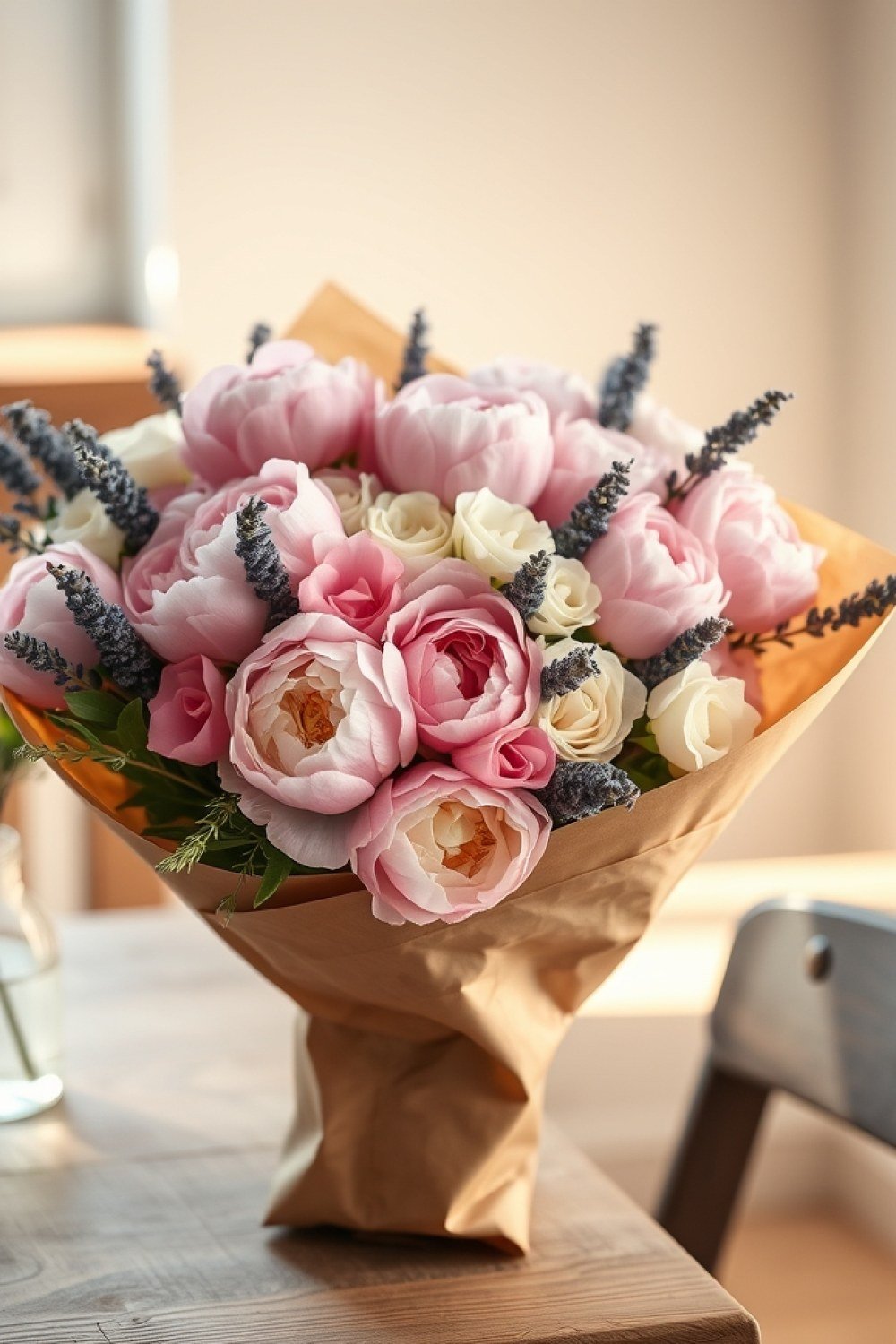
Skip the tight, scentless hybrid tea roses from the grocery store cooler. Garden roses—sometimes sold as ‘David Austin’ or ‘cabbage roses’—open wide and ruffled, with a fragrance that fills a whole room. They read as romantic and old-fashioned in the best way, and a low, wide arrangement lets their heavy heads rest naturally.
- Colours: blush, peach, cream, or soft apricot. Avoid bright red if you want that vintage garden feel.
- Ask the florist for: ‘David Austin’, ‘Juliet’, ‘Abraham Darby’, or ‘cabbage roses’—loose petal-packed varieties, not long-stemmed hybrids.
- Vessel: a shallow bowl or compote 4–5 inches deep so blooms sit just above the rim.
- Finishing touch: two or three sprigs of mint tucked between the roses for a clean green contrast.
Because garden roses have soft, short stems, don’t bother with a tall vase—they’ll flop. Trim stems to fit the bowl and let the blooms almost touch each other for that cloud effect.
2. Peony Perfection
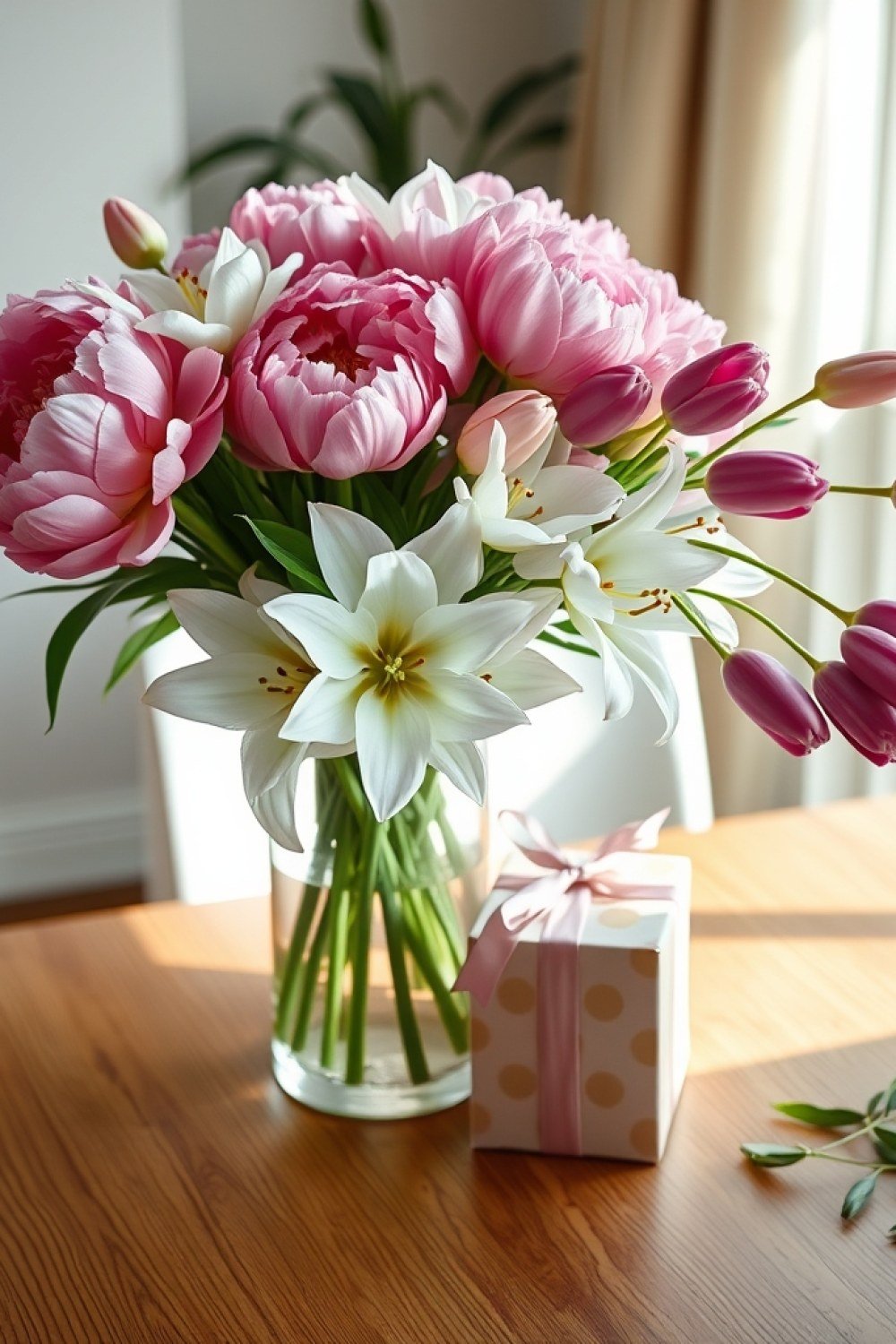
Peonies are the flower most people picture when they think of Mother’s Day, and for good reason: they’re lavish and short-lived, which makes them feel like a true occasion. Buy a mix of tight, marble-sized buds and a few already open so the bouquet has a week or more of life ahead of it. If you’re shopping early, peonies store well in the fridge wrapped in damp paper.
- Buy the stage right: mostly closed buds that are soft like marshmallows—not rock-hard, not fully blown.
- Colours: pink and white are the classics; coral ‘Coral Charm’ and deep burgundy feel more contemporary.
- Care: cool spot, out of direct sun, fresh water every single day.
- Expect the show: buds open over two to three days, so the arrangement changes daily.
Peonies drink a lot—top up the vase daily or the buds will stay shut. A tiny pinch of sugar in the water isn’t necessary, but a clean vase and trimmed stems are.
3. Sweet Pea Trellis

Sweet peas are the underrated pick: tissue-thin petals, an intense honey-and-orange-blossom scent, and a meaning—blissful pleasure—that suits a mom perfectly. They’re sold in bunches of long, curling stems, and they look their best when given something to climb. A small birch or willow trellis stuck into the vase turns a plain bouquet into a living arrangement she can keep on a sill.
- Variety: heirloom ‘Old Spice’ or ‘Matucana’ for the strongest perfume and the deepest colour.
- Set-up: a trifold trellis 12–18 inches tall tucked into a sturdy ceramic vase.
- Placement: near a window, but out of harsh midday sun, so she catches the scent.
- Safety: sweet peas are toxic to cats and dogs—skip this one if she has pets or put it well out of reach.
Wind the tendrils through the trellis yourself before gifting so it already looks styled. Change the water every other day; sweet pea stems get slimy fast.
4. Lavender Bundle

Lavender is the gift that keeps working after the flowers fade. Fresh or dried, a simple bundle tied with twine is calming, fragrant, and genuinely useful—she can hang it in a closet, tuck it in a lingerie drawer, or set it by the bed. Because it doesn’t need water, it’s also the easiest arrangement to deliver or ship.
- Type: French lavender (‘Provence’, sweeter, softer) or English lavender (‘Hidcote’, sharper and more classic).
- Quantity: 15–25 stems make a generous, hand-sized bundle.
- Finishing: natural jute twine and a handwritten note recalling a shared memory.
- Longevity: fresh for about two weeks in a little water; dried and fragrant for months.
If you’re gifting fresh, leave the bundle tied and let her decide whether to dry it or arrange it loose—both work. Add a few dried lavender sachets alongside for the dresser.
5. Sunflower Sunshine

For the mom who walks into a room and lights it up, sunflowers are the honest choice. Modern breeding means you don’t have to settle for giant, coarse farm stems—compact, multi-headed, even chocolate-toned varieties make a bouquet that looks like a farmers-market haul. Ask for smaller ‘Teddy Bear’ or ‘Moulin Rouge’ heads, or pick one big statement stem for a single-bloom moment.
- Sizes: ‘Teddy Bear’ (fluffy, 4–5 inches), ‘Moulin Rouge’ (deep red-brown), or ‘Sunrich’ for classic gold.
- Wrap: kraft paper and natural raffia for a casual, market feel.
- Vase life: up to two weeks with fresh water and a stem trim every few days.
- Tip: sunflowers are heavy drinkers—check the water level daily.
Cut sunflower stems at an angle and strip any leaves that would sit below the water line; leaves rot fast and turn the water cloudy. A clean vase makes the whole thing last.
6. Tulip Time
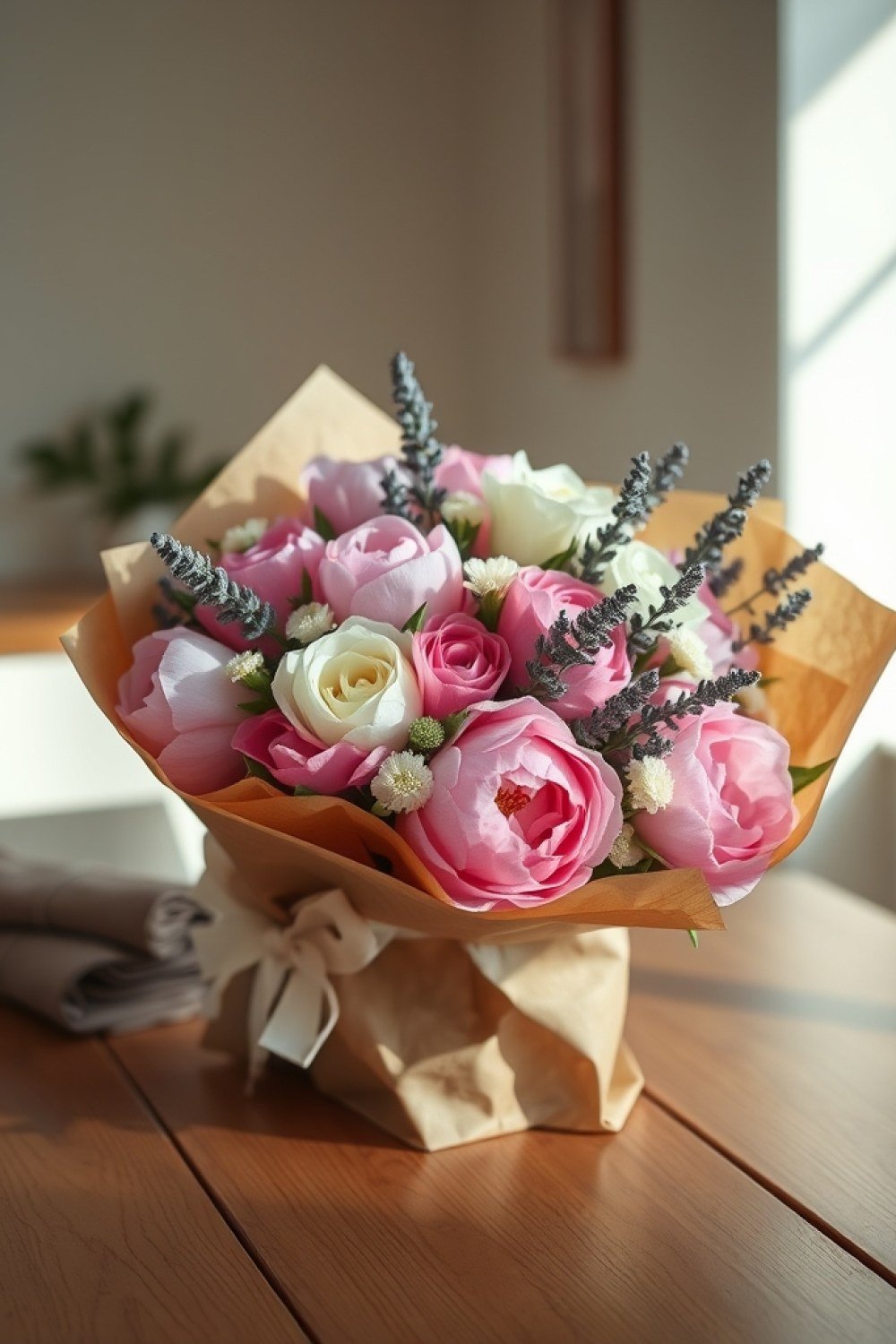
Tulips are spring in a vase, and they come in every colour you can name—which makes them the easiest pick for matching a mom’s personality. Go single-colour in white, deep purple, or soft pink for a clean, modern look; mix pink, orange, and yellow for pure cheer. They keep growing after they’re cut, so the arrangement shifts and opens over the week.
- Styling: all one colour in a straight-sided vase for modern; a loose mixed bunch for a cottage feel.
- Prep: trim stems at an angle and change water every other day.
- Growth habit: stems lengthen 1–2 inches in the vase, so allow headroom.
- Quirk: they bend toward the light—rotate the vase daily for straight stems.
If her tulips lean, don’t panic—it’s normal. A cool spot overnight and a fresh trim will straighten them up. For a longer-lasting gift, ask for potted tulips she can plant out.
7. Hydrangea Hug
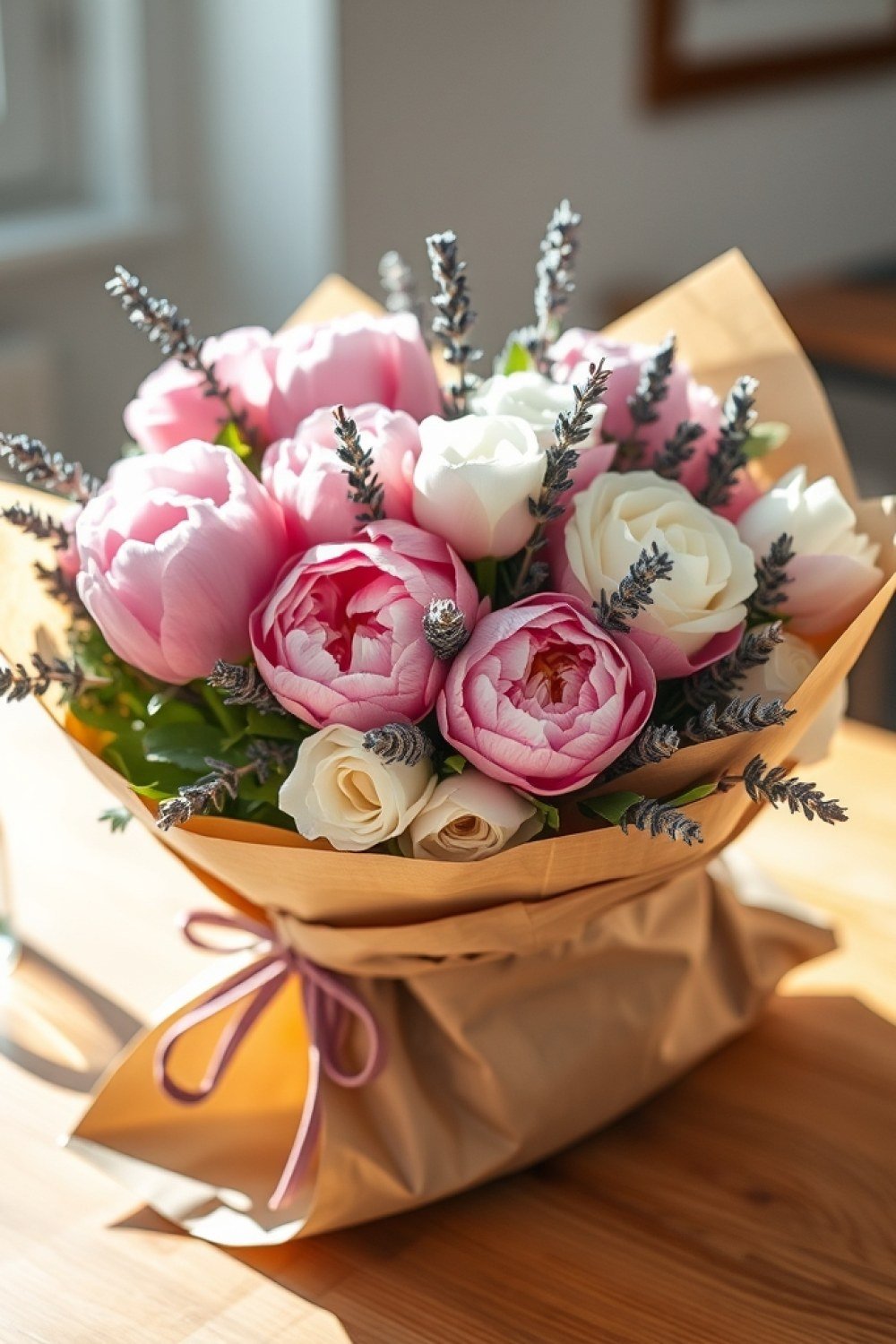
Hydrangeas do the heavy lifting in a bouquet: one big mophead fills a vase that would take a dozen roses to look full. They read as soft and generous, and they come in colours that feel calm rather than flashy.
- Colours: Blues, pinks, lavender, and the green-white ‘Limelight’ types all work; note that blue varieties turn pink in alkaline soil, so buy the bloom colour you actually want rather than guessing from the label.
- Water: Fill the vase to the neck with cool water and change it every two days; hydrangeas drink more than almost any cut flower.
- Daily care: Mist the blooms each morning, or drape a damp paper towel over the flower heads overnight.
- Revival: If stems sag, submerge the entire flower head in cool water for 30 to 60 minutes—they usually come back firm.
Buy them the day before you give them, not a week out, and keep them out of direct sun and away from air vents.
8. Wildflower Meadow
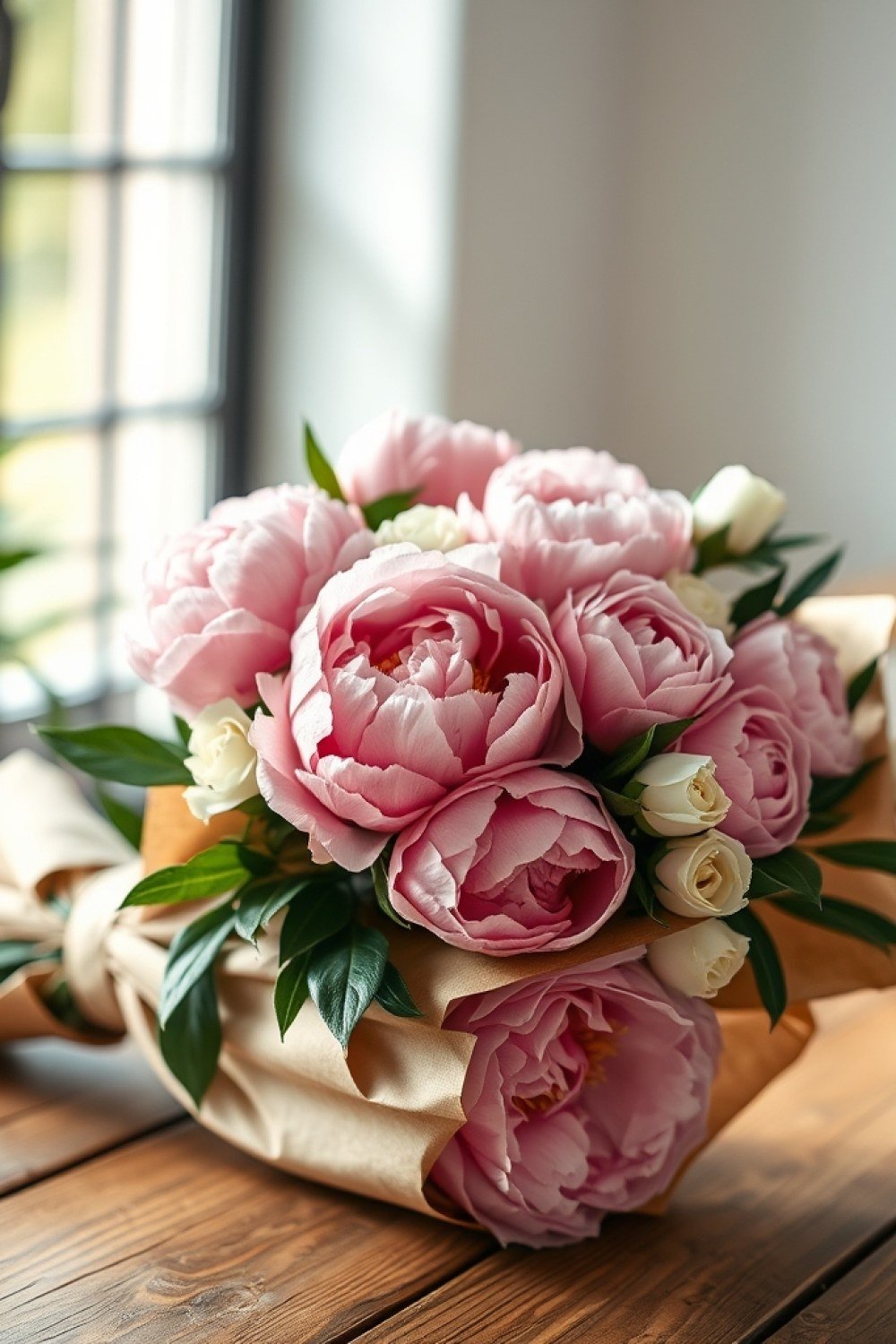
A loose wildflower bunch is the opposite of a formal florist arrangement, and that’s the point. It looks like it was gathered ten minutes ago, which makes it feel personal even when you bought every stem.
- Mix: Daisies, cornflowers, cosmos, nigella, scabiosa, and a few wispy grasses for movement; aim for roughly 60 per cent flowers and 40 per cent foliage and filler.
- Vase: A mason jar, stoneware jug, or ceramic pitcher suits the style better than a glass vase—let the stems bunch naturally instead of spiralling them tight.
- Height: Cut stems so the blooms sit about one and a half times the height of the container, with a few taller ones breaking the line.
- DIY: A local pick-your-own flower farm is usually cheaper than a florist and far more fun; check what’s in season the week of Mother’s Day.
Cut stems on a sharp angle with clean snips and strip any leaves below the waterline—leaves left submerged are what make the water go sour.
9. Orchid Elegance

A potted phalaenopsis outlasts cut flowers by months, so it’s the gift for the mom whose bouquets die before she’s finished enjoying them. It sits on a windowsill and keeps going long after Mother’s Day.
- Choose: Look for a plant with at least two flower spikes and several unopened buds—the buds extend the show by weeks.
- Light: Bright but indirect; an east-facing windowsill is ideal, and direct midday sun will scorch the leaves.
- Watering: Three ice cubes on the bark once a week is the standard trick, or water thoroughly and let it drain completely—never let the roots sit in water.
- After bloom: Cut the spike back to just above the second node once flowers drop, and it will often send out a new branch.
Skip the decorative moss and foil wrap if you can—they trap water around the roots, which is the most common way gift orchids die.
10. Ranunculus Radiance
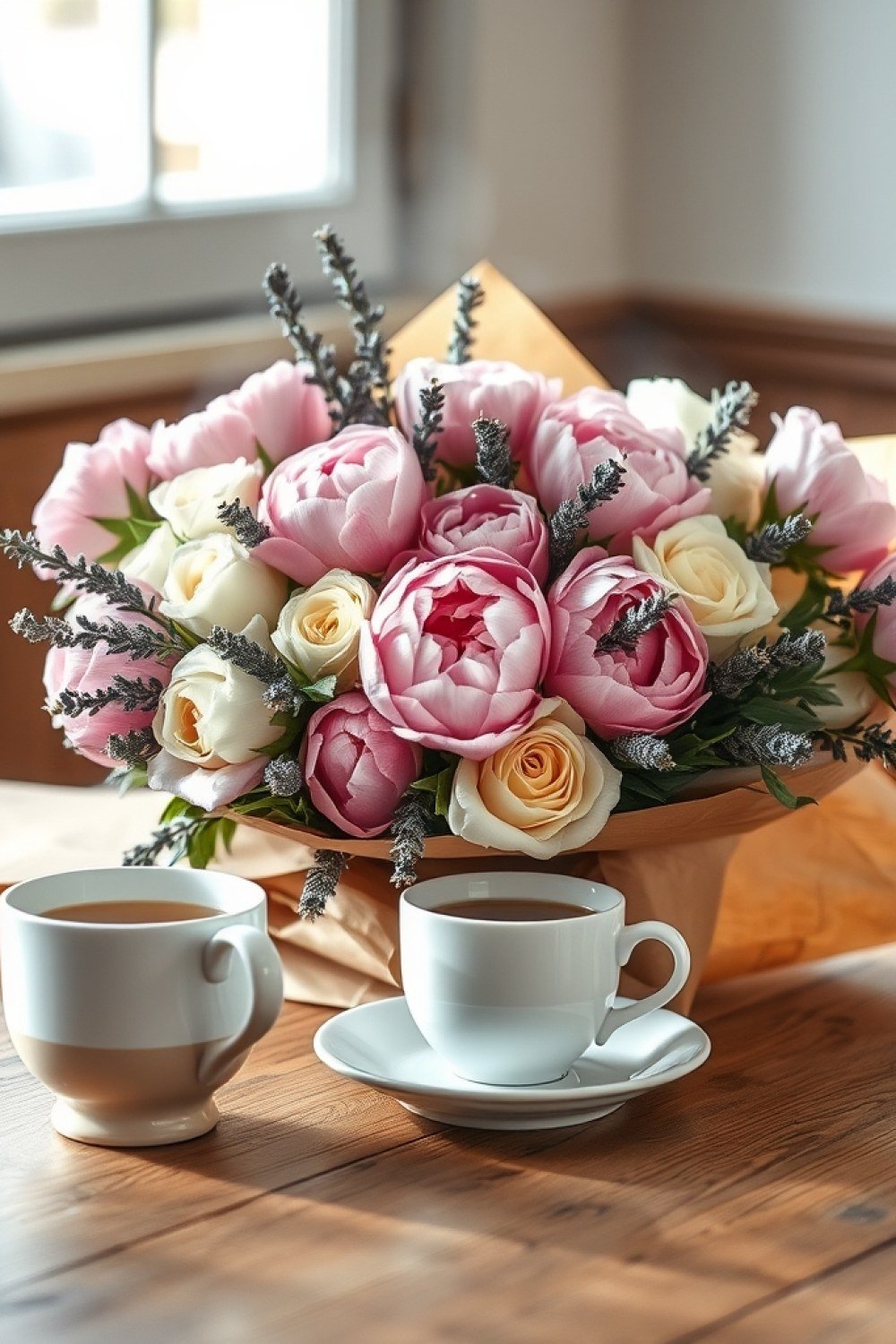
Ranunculus look like a rose that got dressed up: dozens of paper-thin petals packed into a tight, round bloom. They’re a florist staple for good reason and cost less than peonies, which they resemble at a glance.
- Colours: Coral, peach, hot pink, yellow, white, and deep burgundy; the pastel ‘Cloni’ varieties are the longest-lasting and the most photogenic.
- Vase life: Seven to ten days with a fresh cut every other day—genuinely long for something this delicate-looking.
- Pair with: Silver-green eucalyptus, olive branches, or sweet peas for a modern, slightly undone bouquet.
- Buying tip: Choose stems where the buds are just cracking open—fully open ranunculus have only a day or two left.
Cut the stems at an angle and use a clean vase; bacteria, not age, is what shortens their life more than anything else.
11. Lily Luxury
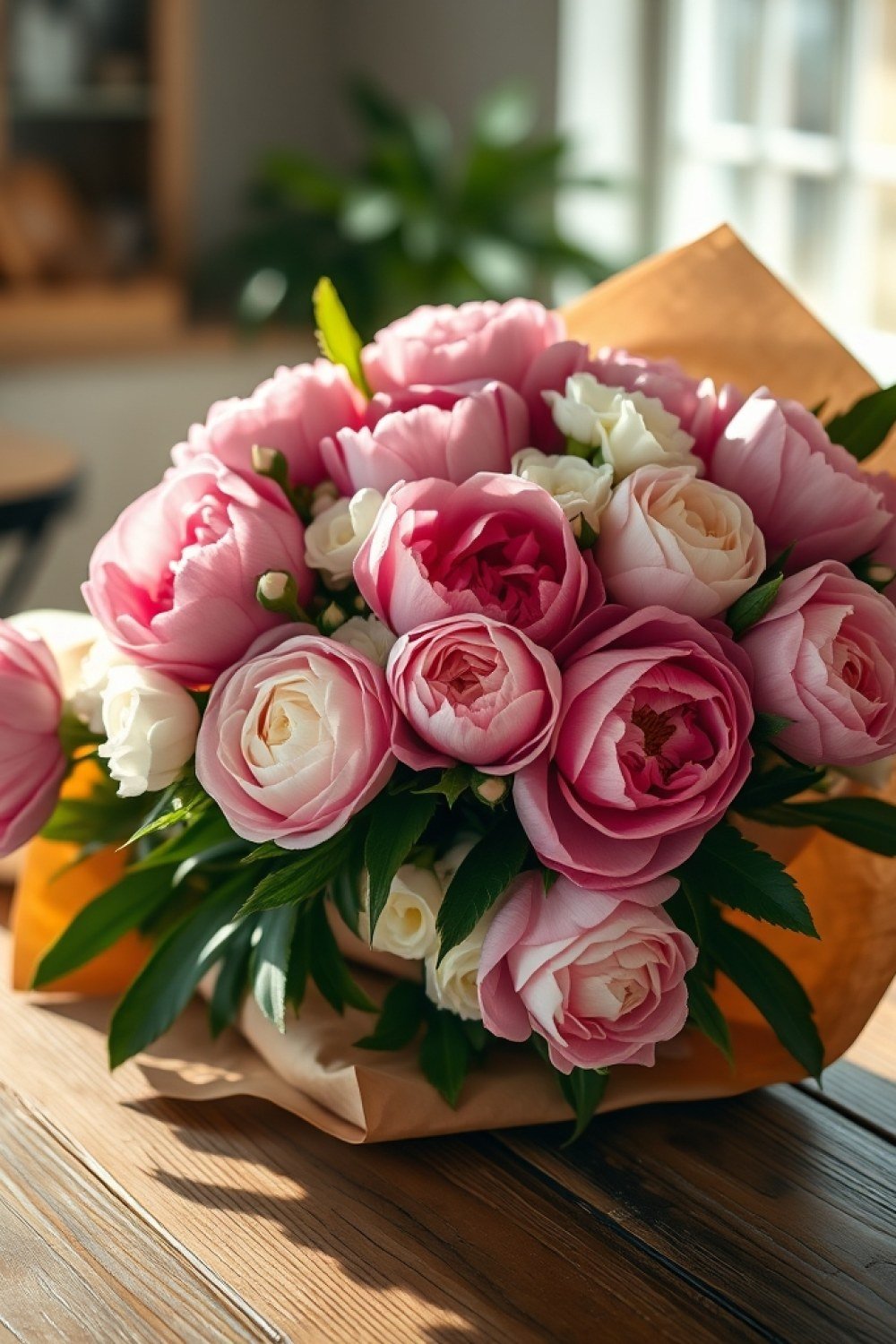
Lilies are the loudest flowers on this list. One stem of Stargazers can scent an entire living room, and their size means three stems look like a full arrangement. They suit a mom with a bold, unapologetic style.
- Varieties: Stargazers are deep pink and heavily fragrant; Asiatic lilies are unscented, upward-facing, and come in orange, yellow, and red.
- Longevity: Buy a mix of open blooms and tight green buds so the bouquet refreshes itself over a week or more.
- Pollen: Pinch off the brown anthers as soon as flowers open—the pollen stains fabric and tabletops and shortens bloom time.
- Safety: Lilies are highly toxic to cats, including the pollen and the water in the vase. Skip them entirely if she has a cat.
Trim stems, remove the lower leaves, and keep the vase out of direct sun so the flowers open gradually rather than all at once.
12. Daisy Chain
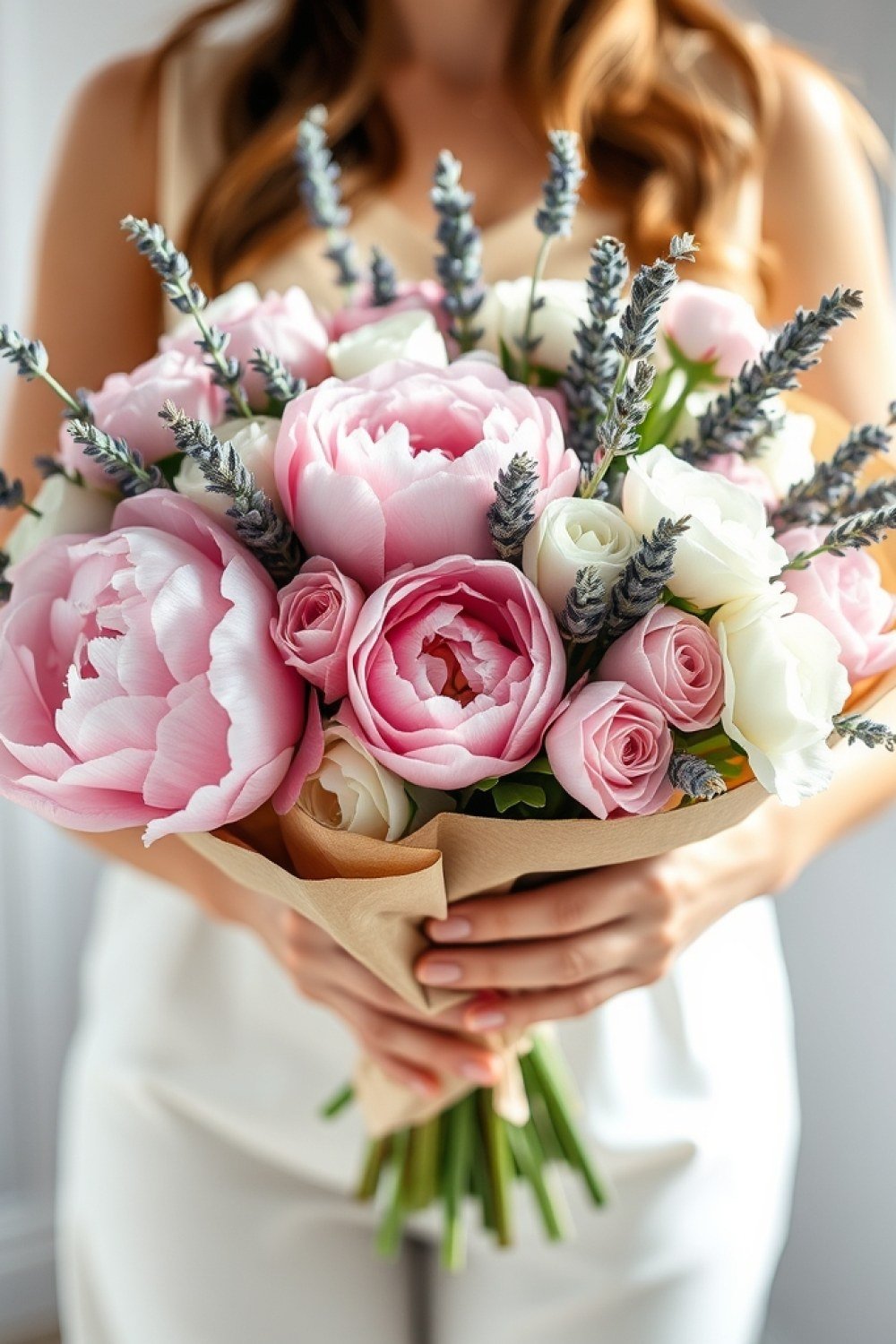
Daisies are the underrated option: cheap, sturdy, and impossible to look at without smiling. They say new beginnings and simple happiness, which is exactly the note you want if your mom isn’t a roses person.
- Classic: A hand-tied bunch of white daisies with yellow centres, wrapped in kraft paper and tied with twine.
- Playful twist: Mix in gerbera daisies in hot pink, orange, and yellow for a bigger, brighter arrangement.
- Vase life: Seven to ten days, and they hold up in warm rooms better than most delicate blooms.
- Budget: Often under £10 for a generous bunch from a supermarket or market stall—this is the pick when you want thoughtful rather than expensive.
Arrange them at slightly different heights rather than a flat dome, and add a few sprigs of greenery so the white doesn’t read as flat.
13. Herb Garden Posy
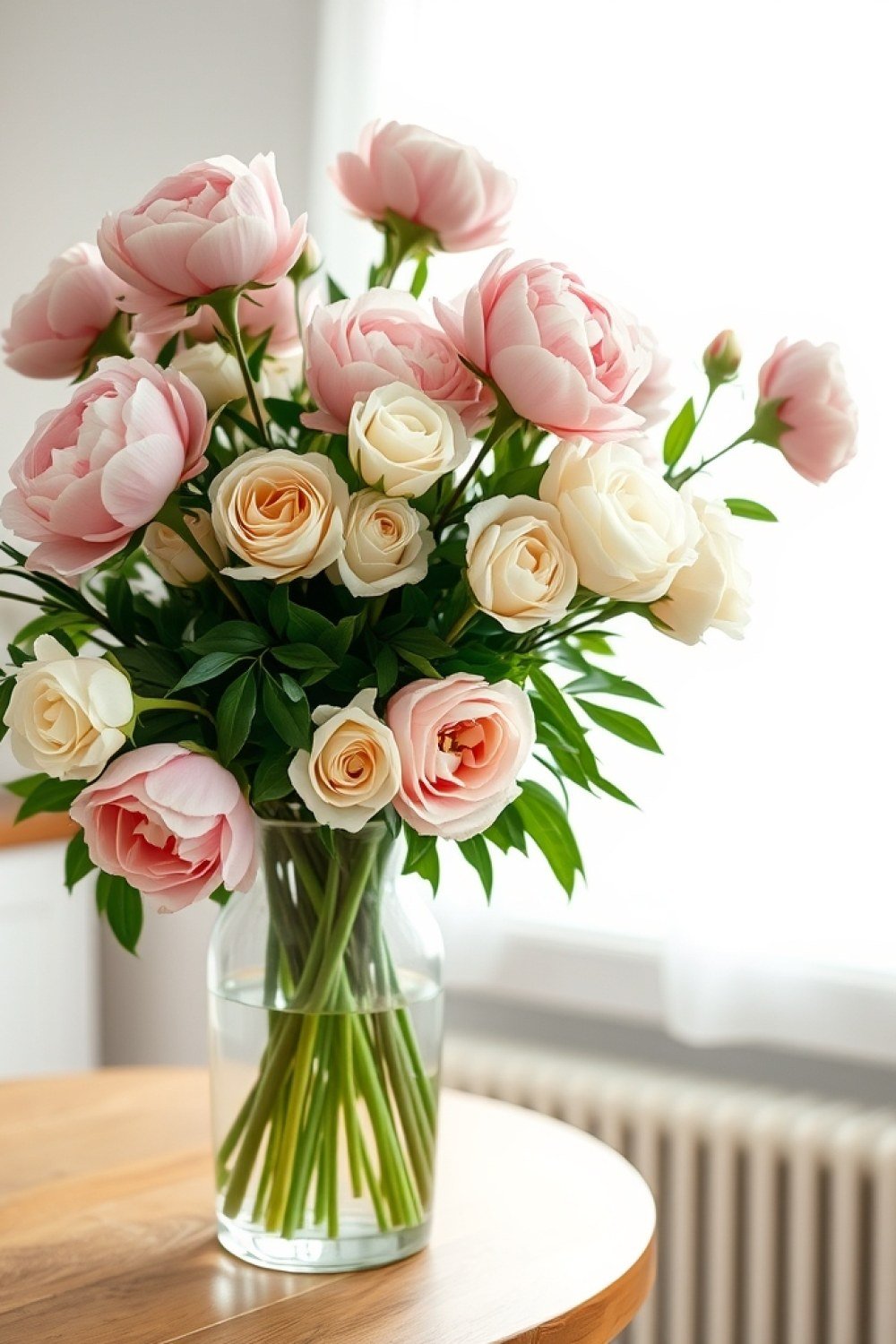
For the mom who cooks constantly, a bouquet of fresh herbs solves the problem of the gift that wilts in three days. Rosemary, thyme, sage, and mint arranged in a small pitcher look lush and smell incredible, and she can snip what she needs for dinner. It is the rare bouquet that earns its place on the counter rather than in a vase.
- Key stems: Rosemary, thyme, sage, and mint — sturdy herbs hold their shape better than soft ones like basil, which wilts fast.
- Colour boost: Tuck in nasturtiums or violets — both are edible and add orange or purple without breaking the theme.
- Vessel: A small ceramic pitcher or wide jam jar. No floral foam, which crushes herb stems.
- Time: 20 minutes to assemble; herbs last one to two weeks in fresh water.
Trim the stems at an angle and change the water every two days — herbs drink heavily and go slimy quickly if left sitting.
14. Dried Flower Forever
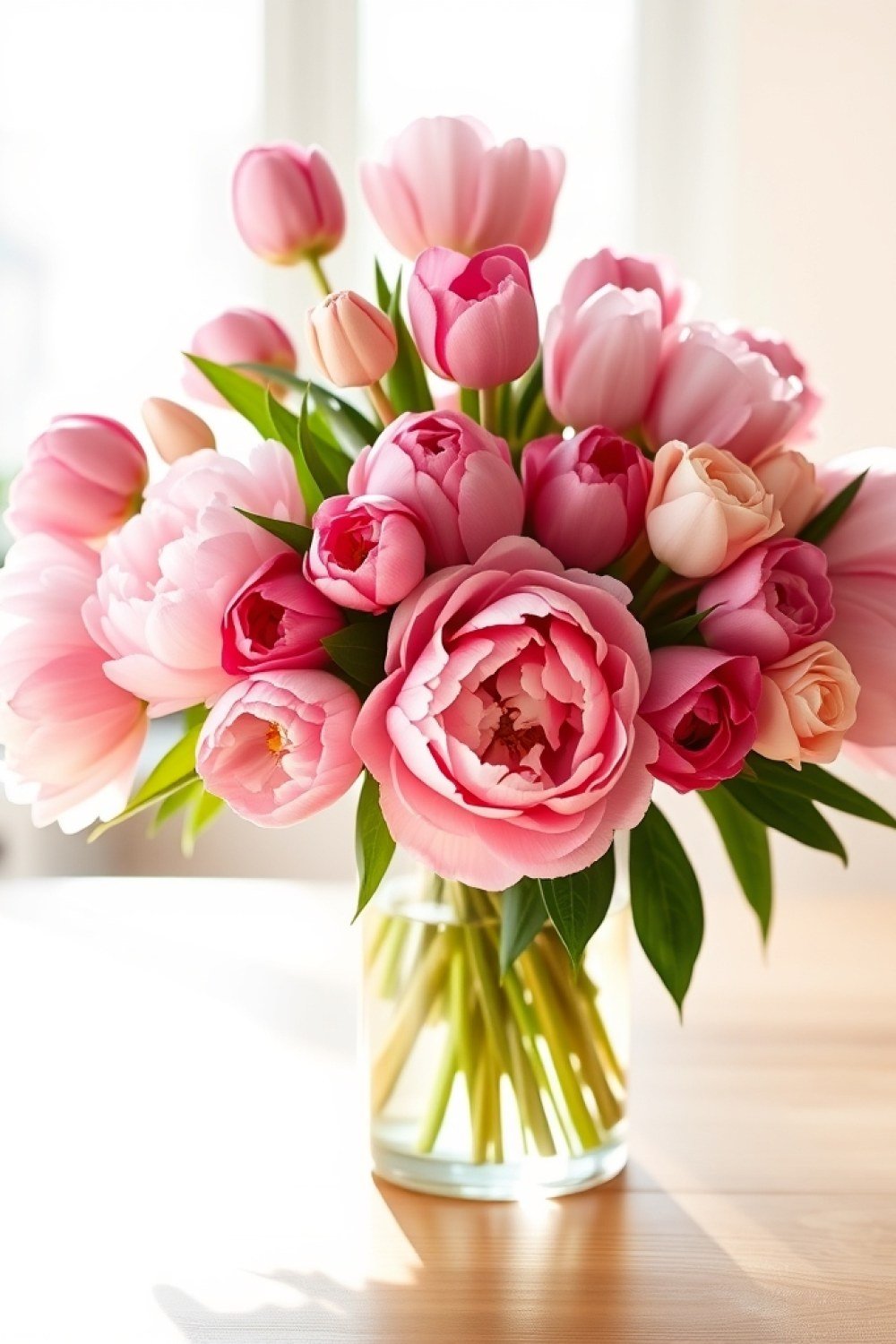
A dried arrangement is the practical choice for a mom who wants something she can keep, not something she has to throw out next week. It suits boho interiors, shelves, and mantels, and it never needs water. Choose stems with strong shapes and muted, dusty colours rather than anything that browned before drying.
- Key stems: Dried lavender, bunny tails, palm spear, and preserved roses hold colour longest.
- Palette: Cream, dusty rose, sage, and wheat — natural tones look curated rather than faded.
- Display: A vase with no water, kept out of direct sun, which bleaches dried blooms within weeks.
- Time: Lasts one to three years with a light dusting every few months.
If you dry your own, hang bundles upside down in a dark, dry room for two weeks — drying in sunlight is what turns flowers brown and brittle.
15. Succulent Centrepiece
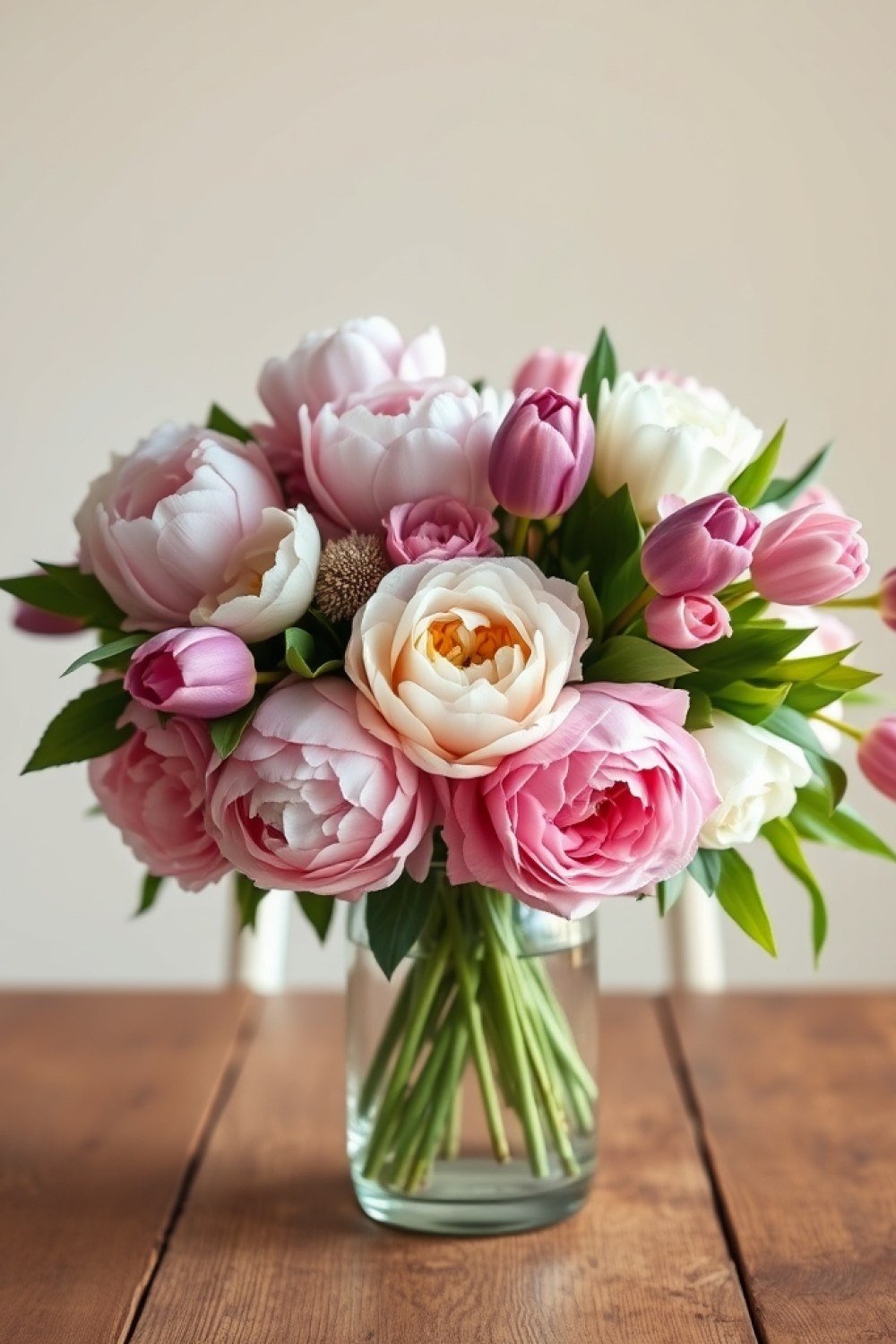
A low bowl planted with mixed succulents is the gift that is still alive in six months, which is more than most bouquets can claim. It works as a dining table centrepiece, a kitchen windowsill piece, or a patio accent. Buy it pre-planted or build it yourself in under half an hour.
- Key plants: Rosette echeveria, trailing string of pearls, and tall senecio for height and contrast.
- Container: A shallow bowl at least 8cm deep with drainage holes; a saucer catches overflow.
- Watering: Once every two weeks, soaking the soil and letting it dry fully between drinks.
- Light: Bright indirect light — a south or east window suits most varieties.
The main killer of succulent gifts is overwatering, so tell her plainly: if in doubt, wait another week.
16. Rose and Eucalyptus
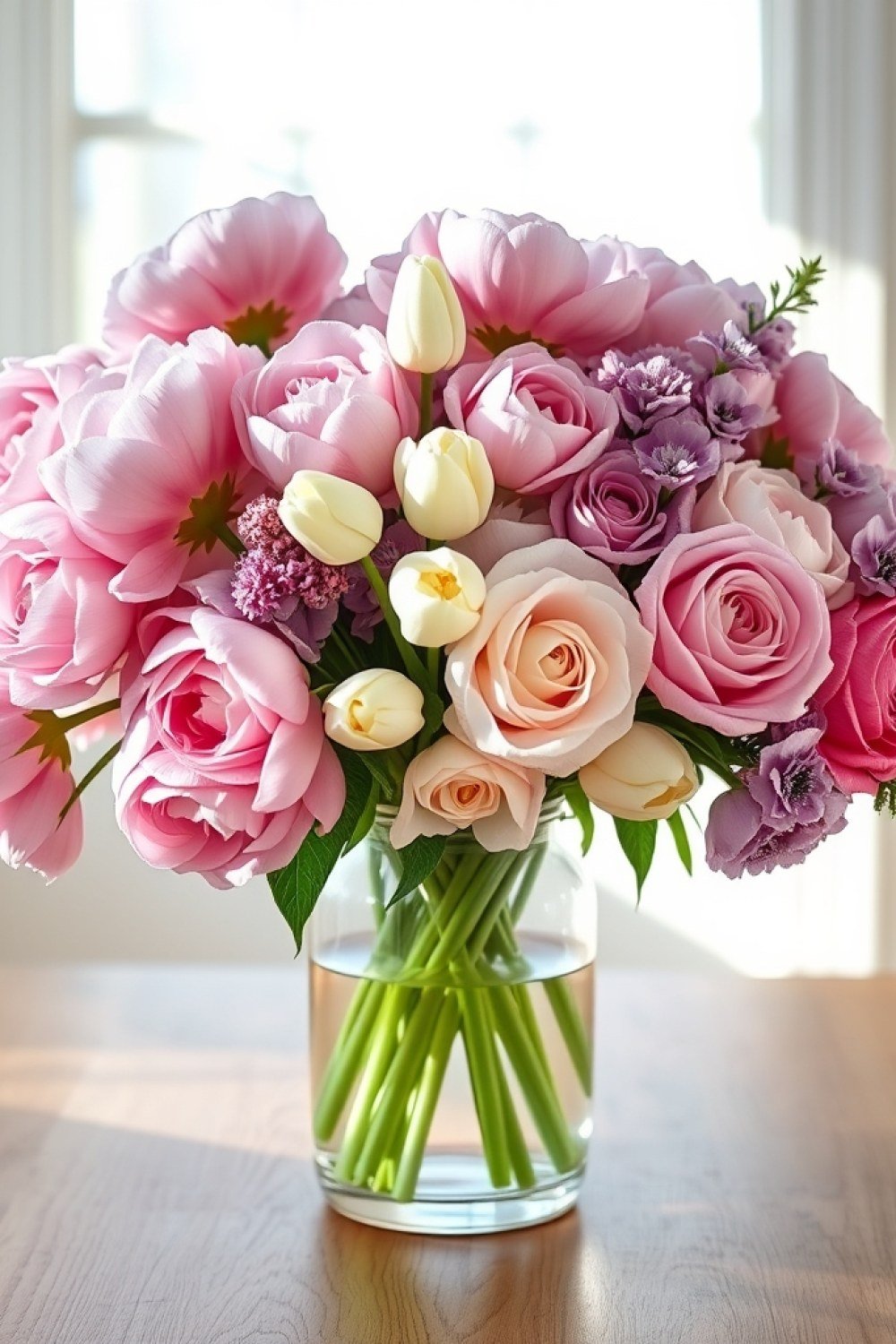
Roses on their own can read as predictable. Adding silvery eucalyptus sprigs makes the same bouquet feel modern — soft grey-green against saturated petals, plus a clean scent that lingers. It is the closest thing to a guaranteed hit for almost any mom.
- Key stems: Roses in her favourite colour, plus three to five sprigs of eucalyptus.
- Ratio: Roughly 10 roses to 5 eucalyptus stems for a balanced, airy look.
- Bonus: Eucalyptus dries beautifully — she can keep the sprigs long after the roses fade.
- Time: Roses last 7 to 10 days with a fresh trim and water change every other day.
Strip any leaves that sit below the waterline, or the stems rot and the whole bouquet goes sour within days.
17. Potted Hydrangea
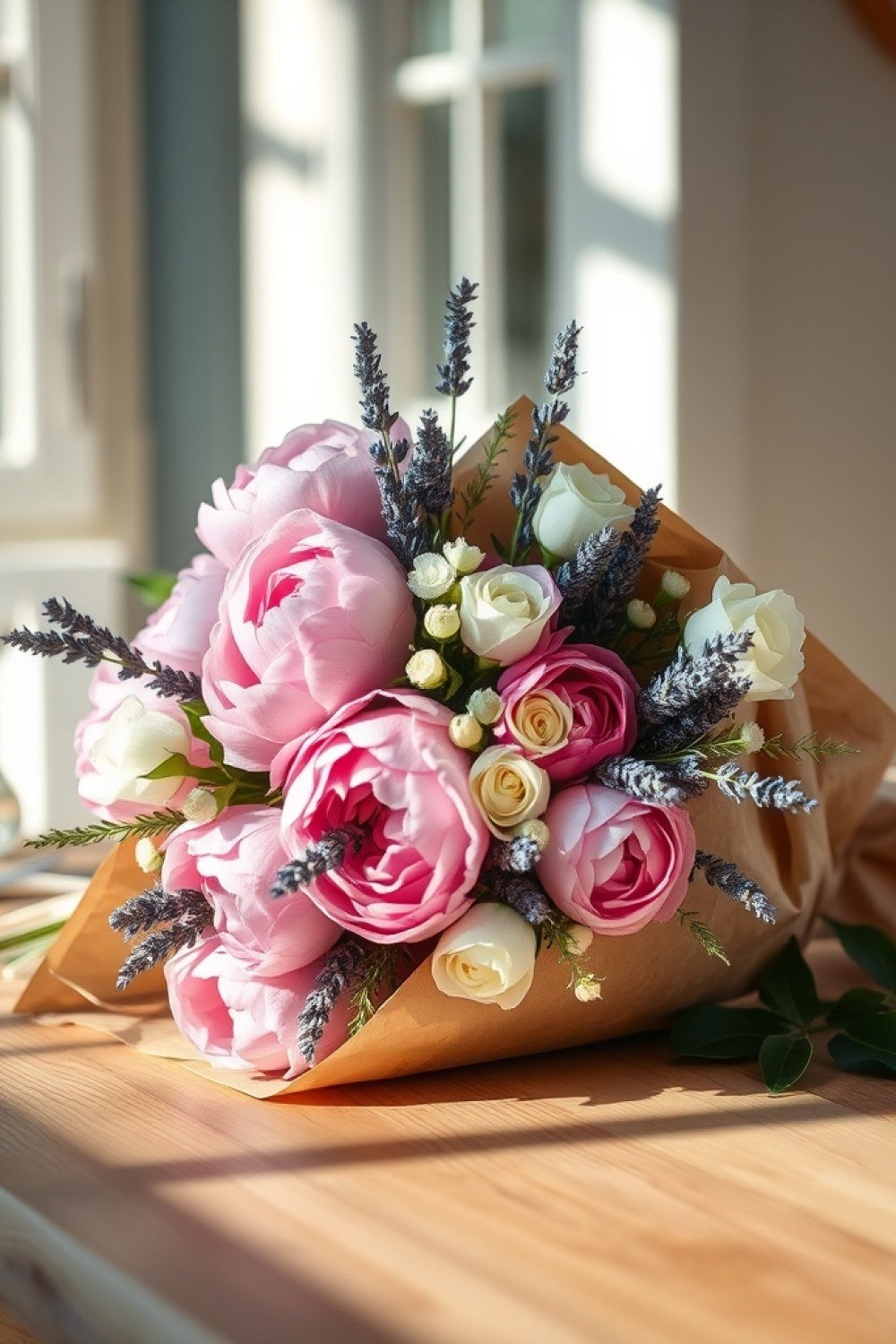
A hydrangea in a pot is Mother’s Day on an instalment plan — she enjoys it indoors through spring, then plants it in the garden where it blooms again every summer. It suits moms with a garden, a balcony, or even a shady courtyard. Choose a plant with several open blooms and healthy green leaves, not one with buds only.
- Key plant: A hydrangea with at least three to four open flower heads.
- Watering: Keep soil consistently moist; hydrangeas wilt fast when dry and recover fast when watered.
- After the day: Transplant to a shady spot with rich, well-drained soil once frost risk has passed.
- Time: Blooms through summer, then returns each year in most climates.
Wrap the pot in hessian or a fabric cover for the day itself — it hides the plastic nursery pot and keeps the roots cool.
18. Tropical Punch
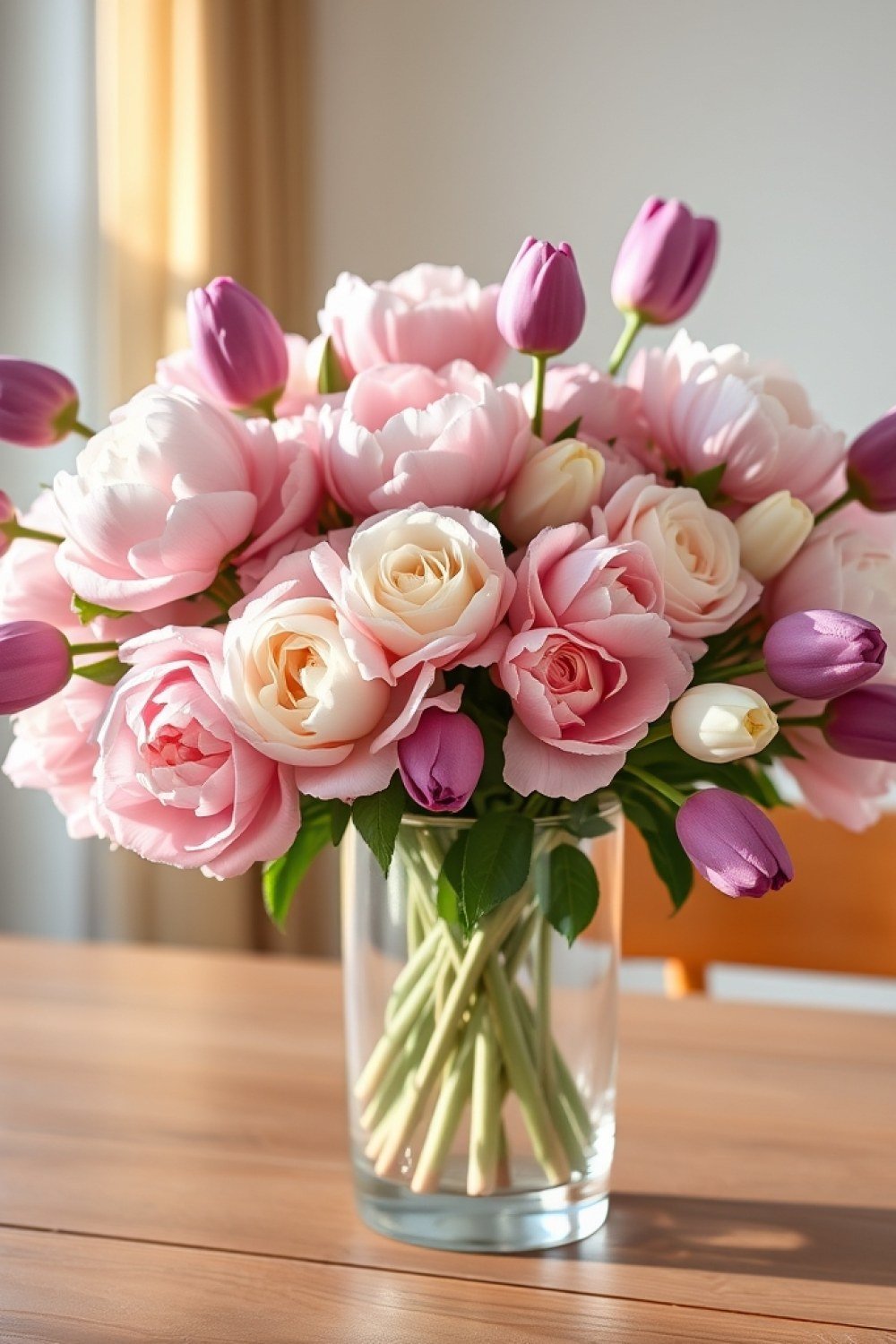
For the mom who holidays somewhere warm every chance she gets, tropical flowers deliver the vacation feeling in a vase. The bold silhouettes of bird of paradise and anthurium are striking on their own, so you need fewer stems than a traditional bouquet. Protea adds a sculptural, almost alien centrepiece.
- Key stems: Bird of paradise, anthurium, and protea for shape, height, and colour.
- Palette: Orange, deep red, and pink against glossy green foliage.
- Care: Fresh water every two days; tropicals are long-lasting and need no special treatment.
- Time: Ten days to two weeks, often longer than roses.
Bird of paradise stems are heavy, so use a sturdy vase with a wide base — a top-heavy arrangement will topple the first time it is nudged.
19. Basket of Blooms
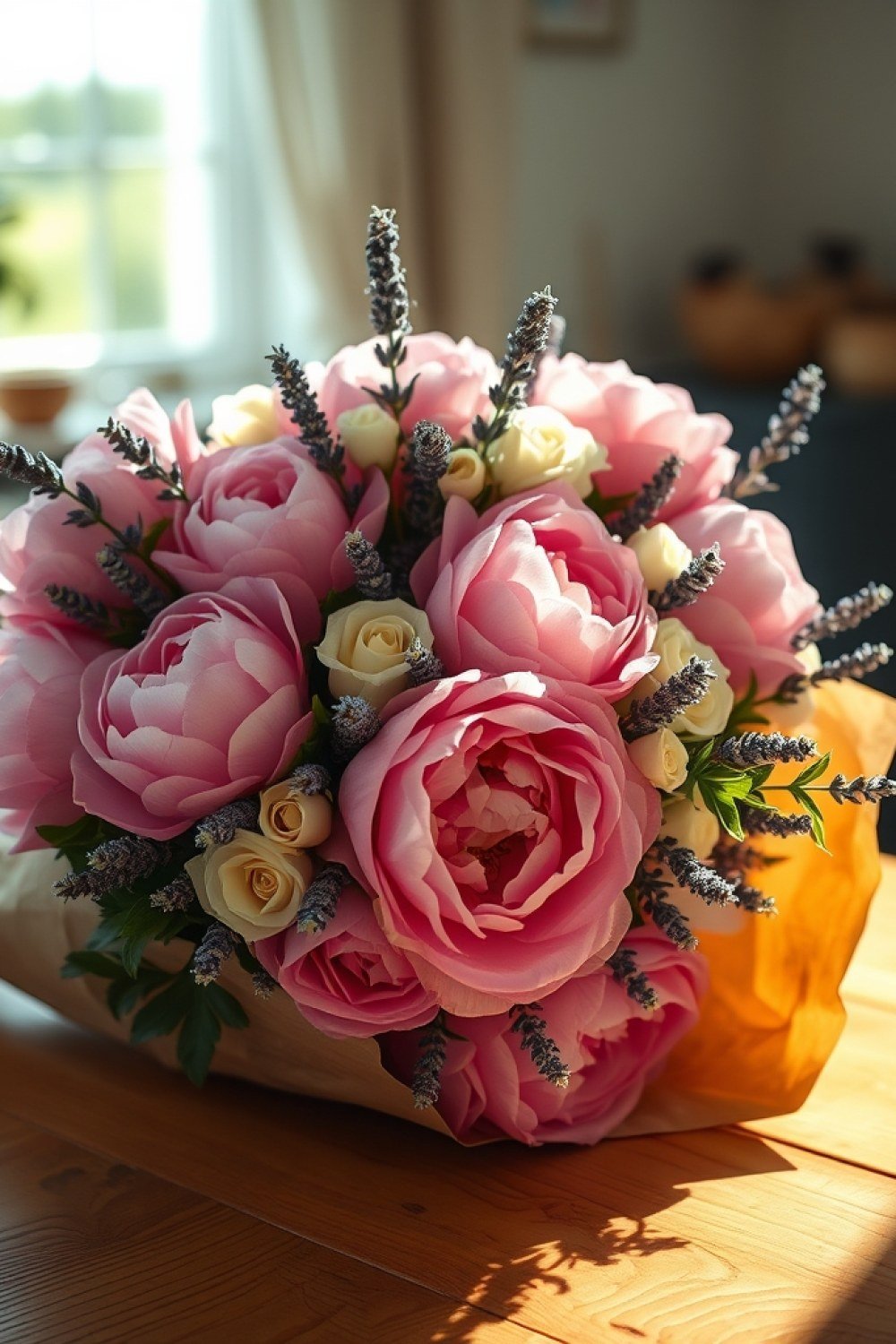
A woven basket packed with potted spring bulbs gives you something a cut bouquet can’t: a gift that keeps growing on her windowsill. Daffodils, hyacinths, and tulips all force well indoors and hit their stride right around Mother’s Day, so the basket arrives already in bud or early bloom. It suits a mom who gardens, keeps plants on the kitchen sill, or just likes a bit of living colour that isn’t gone in a week.
- Key piece: a basket with a waterproof liner or a planted insert — without it, every watering drips onto her table.
- Bulbs to mix: tete-a-tete daffodils (compact, ideal for baskets), hyacinths (strong scent), and dwarf tulips.
- Placement: bright, sunny spot, ideally a cool room — hyacinths fade fast in a hot, stuffy space.
- Watering: keep the soil evenly moist, never soggy; check every two to three days.
Once the flowers fade, let the leaves yellow completely before cutting them back, then plant the bulbs outdoors in autumn about three times their own depth — that’s the second act of this gift.
20. Carnation Classic
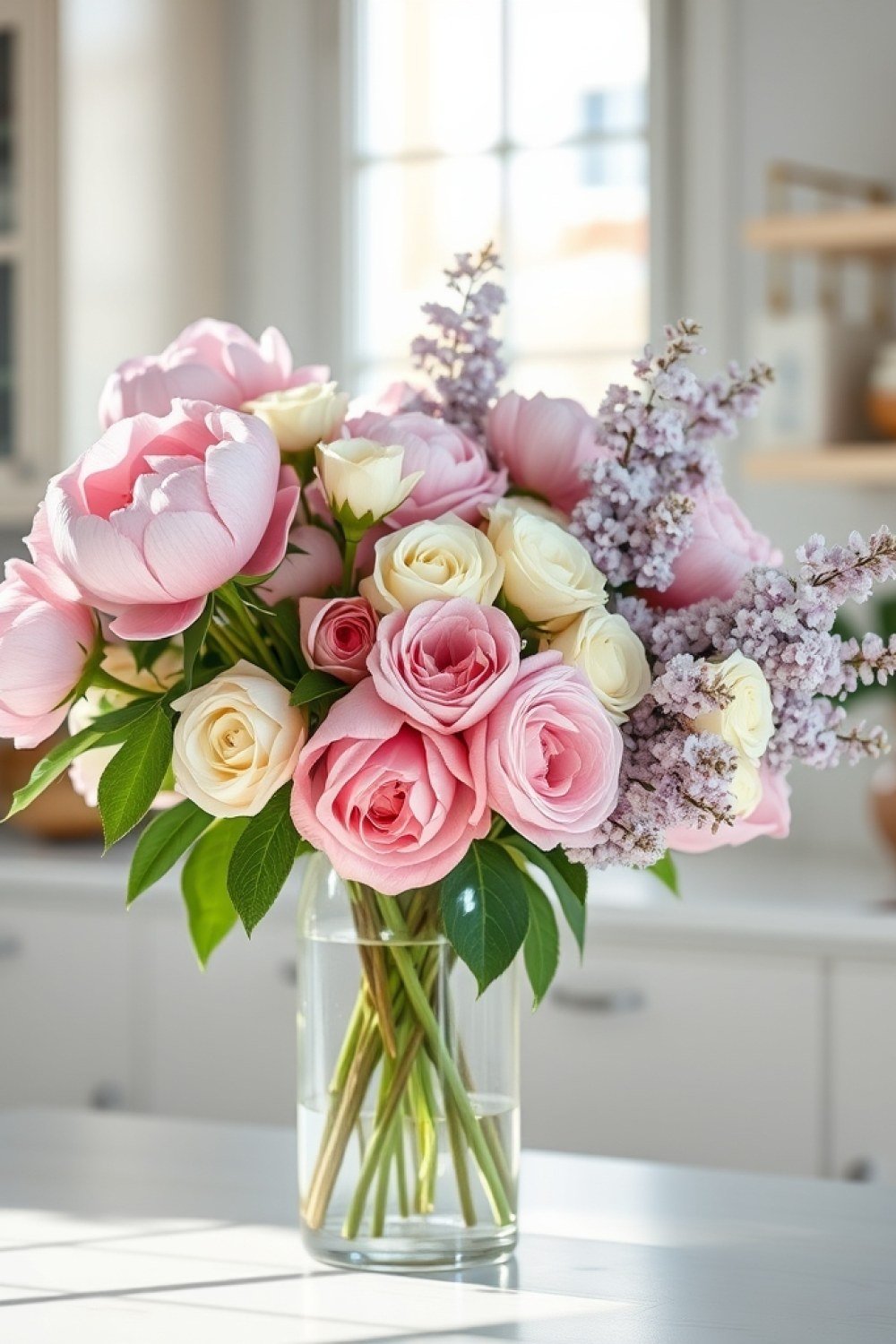
Carnations are the official Mother’s Day flower for a reason — they’re tied to the holiday’s history and each colour carries its own meaning, so a mixed bunch can say several things at once. They also hold up better than almost anything else in the vase, sometimes lasting two weeks with a fresh cut and clean water. If you’re buying for a mom who likes tradition, or you’re working to a budget, this is the smartest bouquet on the list.
- Colour code: pink for a mother’s undying love, white for remembrance, red for admiration, yellow for friendship.
- Cost: usually the cheapest stem in the shop — you can order two or three dozen for what roses would cost.
- Vase life: 10–14 days; recut the stems at an angle and change the water every other day.
- Pairing: baby’s breath for the traditional look, or eucalyptus and dried grasses for something more current.
Ask the florist to leave the greenery on the stems and skip the dyed or glittered varieties — natural carnations in two or three tones look far more considered.
Mistakes to Avoid When Ordering Mother’s Day Flowers
- Ordering too late in the week. The Friday and Saturday before Mother’s Day are the busiest delivery days of the year for florists, and popular stems like peonies and garden roses sell out first. Order one to two weeks ahead, or if you’re buying loose stems to arrange yourself, shop two to three days before and condition them in cool water so they’re fully open by Sunday.
- Choosing your favourite flowers instead of hers. A dozen red roses is wasted on a mom who keeps sunflowers on the kitchen sill all summer. Think about the colours she wears, the plants already on her windowsill, and whether she’d rather have something she can replant in the garden than a vase she has to change water in.
- Sending a scented bouquet to a small space. Lilies, stock, and hyacinths can overwhelm a small apartment or a hospital room, and heavy fragrance bothers some people. If she lives somewhere compact, go with peonies, ranunculus, or tulips — beautiful, but gentler on the nose.
- Forgetting the pets. Lilies are severely toxic to cats, and tulips, daffodils, and sweet peas are dangerous to both cats and dogs. If she has animals, stick to roses, sunflowers, orchids, or snapdragons and mention it to your florist so they don’t tuck a lily into the mix.
- Ignoring vase life and delivery timing. Flowers cut and shipped without conditioning can arrive limp and die by Tuesday. Ask the florist when the stems were cut, request delivery for Friday or Saturday, and have a clean vase ready with fresh cool water so the arrangement goes straight in when it lands.
Questions About Mother’s Day Flowers
What is the most popular flower for Mother’s Day?
Carnations hold the top spot because they traditionally symbolise a mother’s undying love, and they’re affordable, long-lasting, and come in nearly every colour. Roses, peonies, and tulips are close behind for their beauty and fragrance. That said, the best flower is the one that matches her style — if she’s a garden person, dahlias or sweet peas will mean more to her than a conventional pick.
How can I make my Mother’s Day flowers last longer?
Start with a clean vase and fresh, cool water, since bacteria is what kills most arrangements fastest. Trim the stems at an angle with sharp shears and strip any leaves that would sit below the waterline. Change the water every two days, re-trim the stems slightly each time, and keep the bouquet out of direct sunlight and away from ripening fruit, which releases ethylene gas that speeds up ageing.
Are there any flowers I should avoid giving to a mom with pets?
Yes. Lilies are severely toxic to cats, and tulips, daffodils, and sweet peas are dangerous to both cats and dogs. Go with pet-safe options instead: roses, sunflowers, orchids, snapdragons, or gerbera daisies all look beautiful and won’t put her animals at risk. If you’re unsure about a specific stem, check with your vet before it goes in the house.
What flower colors are best for Mother’s Day?
Soft pastels like pink, lavender, and peach are the classic choice and read as warm and traditional. For a more modern look, go bold with coral, orange, or deep purple — a single-colour arrangement in a strong hue often looks more considered than a mixed bouquet. If she has a favourite colour, use it; personalisation beats tradition every time.
Should I give a potted plant or a cut bouquet?
A potted plant lasts far longer and can be a lasting reminder, especially if it’s something she can eventually plant outdoors, like a hydrangea, rose, or lavender. A cut bouquet is instantly beautiful and the right call for a mom who loves fresh flowers but doesn’t want another thing to water. Consider her space and how much she enjoys tending to plants before you decide.
How far in advance should I order Mother’s Day flowers?
Order at least one to two weeks ahead to guarantee availability, particularly for peonies, which sell out early. If you’re arranging the bouquet yourself, buy flowers two to three days before and condition them in water so they open in time. For delivery, schedule it for the Friday or Saturday before Mother’s Day to sidestep the Sunday rush and any courier delays.