
13 Renter-Friendly Backyard Ideas You Can Take With You
Your rental has a patio, a strip of yard, or a balcony — and right now it’s basically a concrete slab and someone else’s patchy grass. You want it to feel like yours, but you’re not sinking money into a place you’ll leave in a year or two.
Every idea here installs with zero drilling, zero digging, and zero landlord permission. Nothing here damages walls, decks, or soil, so your deposit stays intact through any lease inspection.
Just as important, all 13 pack into boxes and move with you. Here’s what to pick based on your space, your budget, and how much time you want to spend setting it up.
Quick Picks
- Floating Deck Tiles — best if you have a bare concrete slab and want an instant floor underfoot.
- Renter-Friendly String Lights — best for anyone who wants the biggest mood change for the least money.
- No-Dig Privacy Screen — best for ground-floor patios or overlooked balconies.
- Instant Shade Sail — best for west-facing spaces that bake all afternoon.
1. Floating Deck Tiles
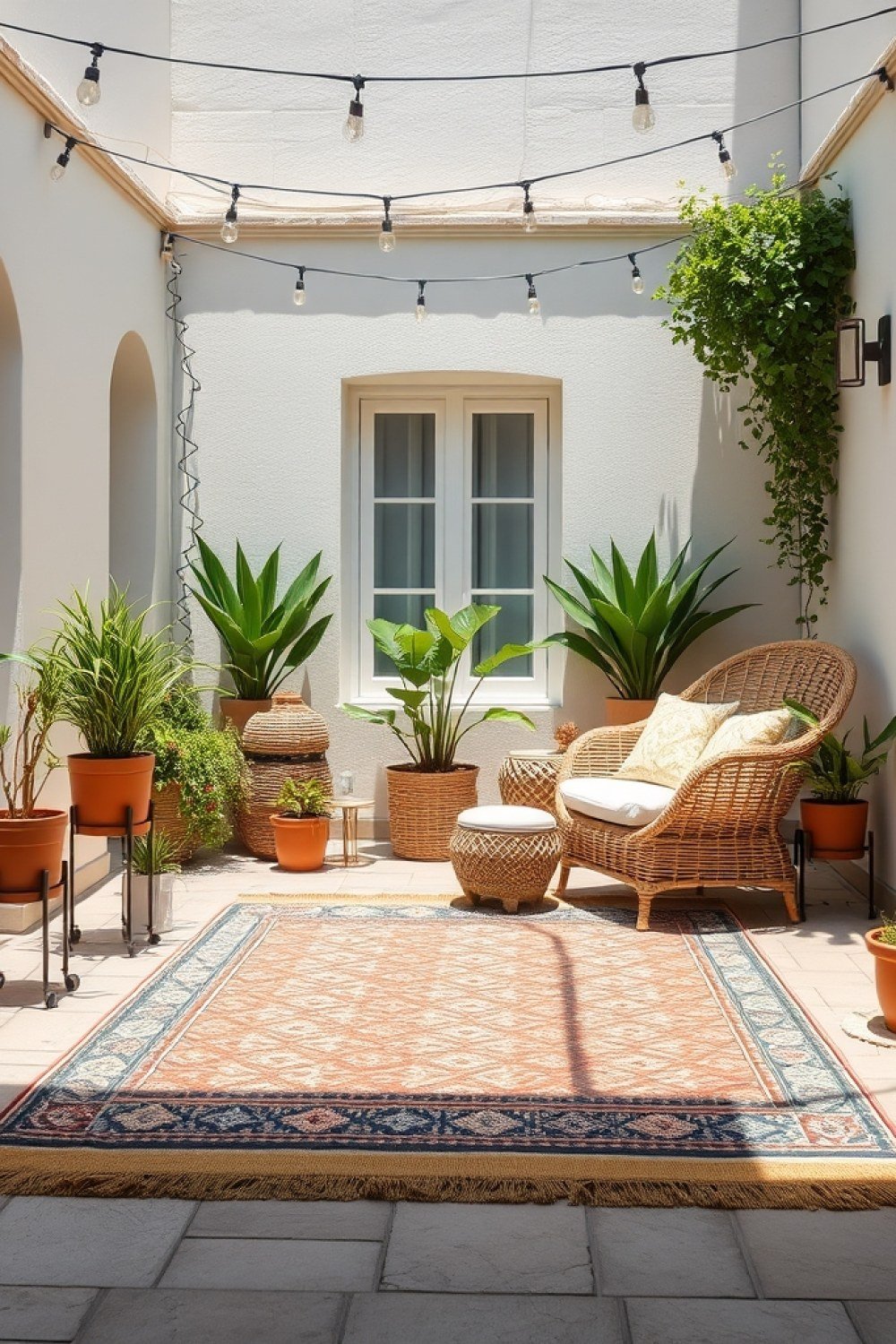
Interlocking composite deck tiles (IKEA RUNNEN, ~$30 per 9 sq ft) snap together by hand over concrete, cracked patios, or packed dirt — no screws, no adhesive. They lift right up when you leave and stack in a closet.
Why it works: You get a clean, finished surface without touching the landlord’s slab, and the whole floor comes with you to the next place.
Pro tip: Measure your patio first; order about 10% extra for cuts around posts and drain covers. Sweep underneath monthly, since debris and moisture can collect in the grid.
2. Renter-Friendly String Lights

Skip nails and staples. Use adhesive light clips rated for outdoor use on vinyl siding, or wrap a pole-to-pole canopy with 48-foot heavy-duty string lights and tension hooks over fence posts.
Why it works: Adhesive clips peel off clean and tension hooks need no holes, so nothing about the setup reads as permanent to a landlord.
Pro tip: Add a dusk-to-dawn timer plug (~$12) so you’re not unplugging them every night. Warm white 2700K bulbs feel cozy; cool white reads harsh and dorm-like.
3. No-Dig Privacy Screen

A freestanding metal planter box or two weighted with paver stones holds a trellis panel steady against wind. Zip-tie a 6-foot faux-ivy or reed panel to the trellis for instant screening of a neighbor’s window or an ugly utility box.
Why it works: You get real visual coverage in an afternoon, with no fence permit, no post holes, and no landlord conversation.
Pro tip: Load the planters with the pavers first and test the panel by hand before adding greenery. It moves with you as-is, so nothing gets left behind.
4. Container Garden That Travels
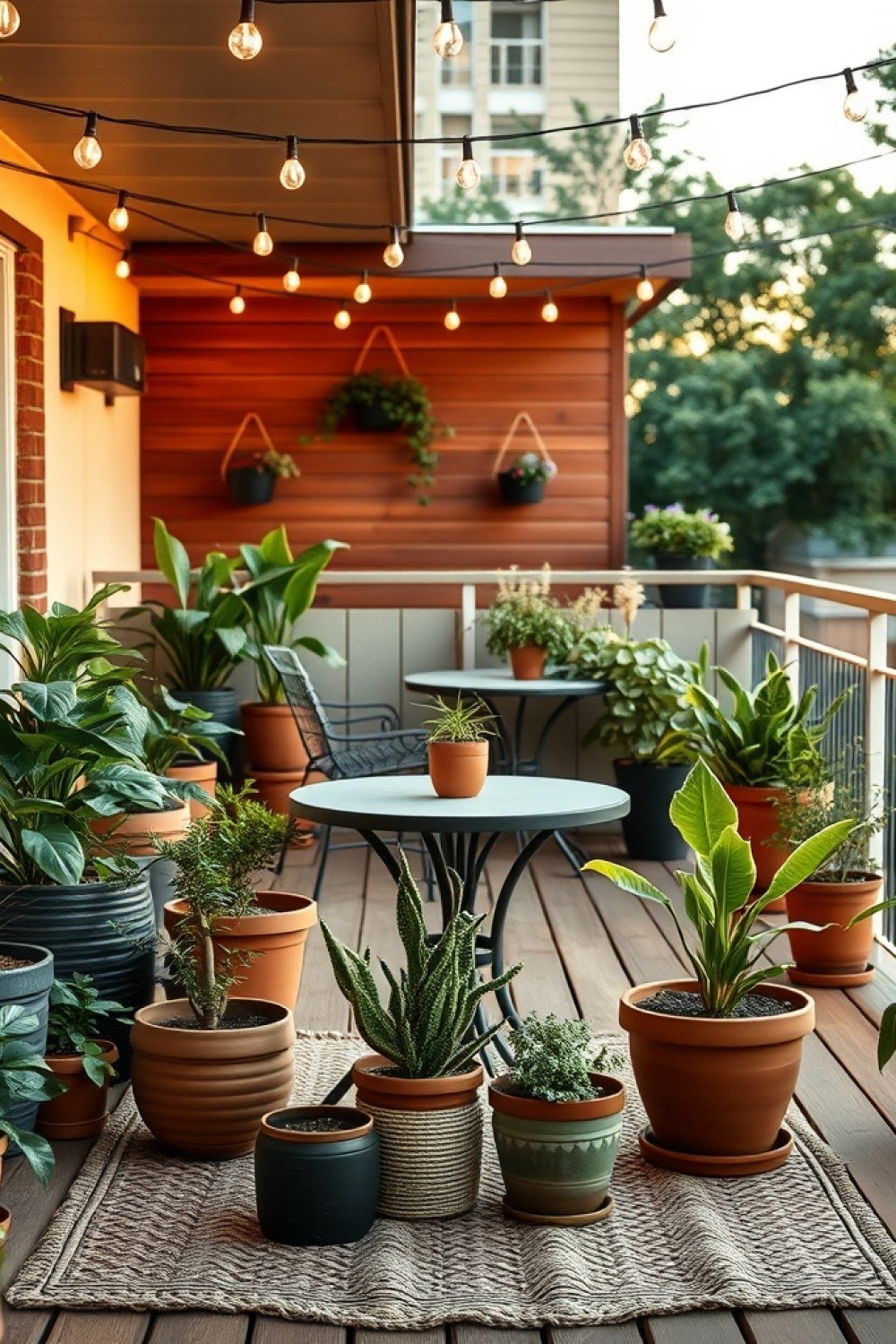
Grow everything in pots so you can literally carry your garden to the next address. Go big: 18-24 inch planters hold tomatoes, peppers, and herbs without drying out daily.
Why it works: Nothing goes in the ground, so there’s no digging and no damage, and established plants transplant straight to the new patio.
Pro tip: Line terracotta pots with a plastic liner to slow moisture loss, and set every pot on a rolling plant caddy so you can rearrange for sun or shuffle them inside before a freeze.
5. Peel-and-Stick Patio Upgrade
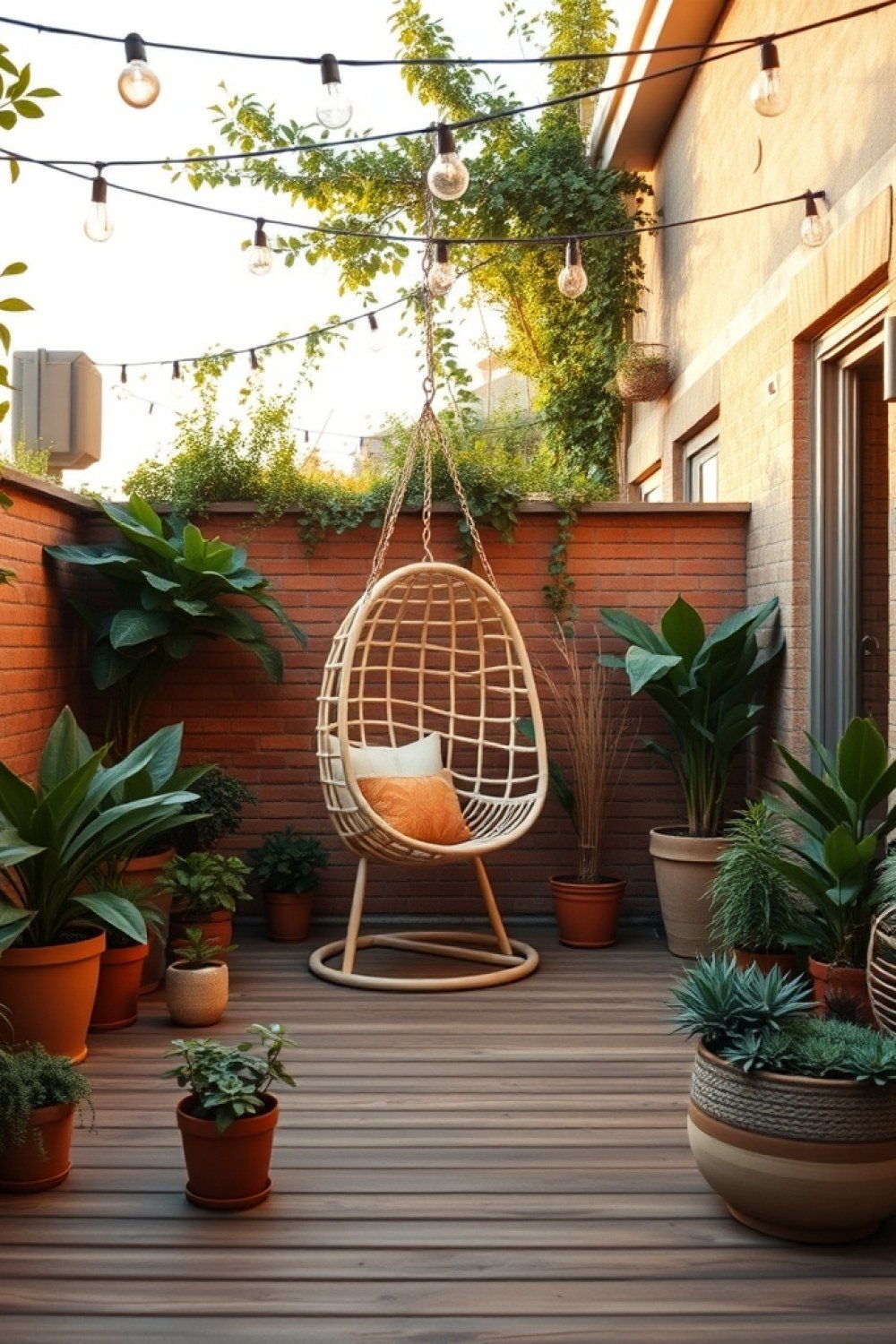
Outdoor-rated peel-and-stick tile (like Smart Tiles or FloorPops) instantly upgrades a plain concrete stoop or balcony floor. Clean and dry the surface completely, lay from the center out, and press firmly.
Why it works: Most peel cleanly with a heat gun or hairdryer on move-out day, so you get the look without losing a deposit.
Pro tip: Best on smooth, sealed concrete; skip it on rough or crumbling surfaces, where edges lift and trap water within a season.
6. Instant Shade Sail
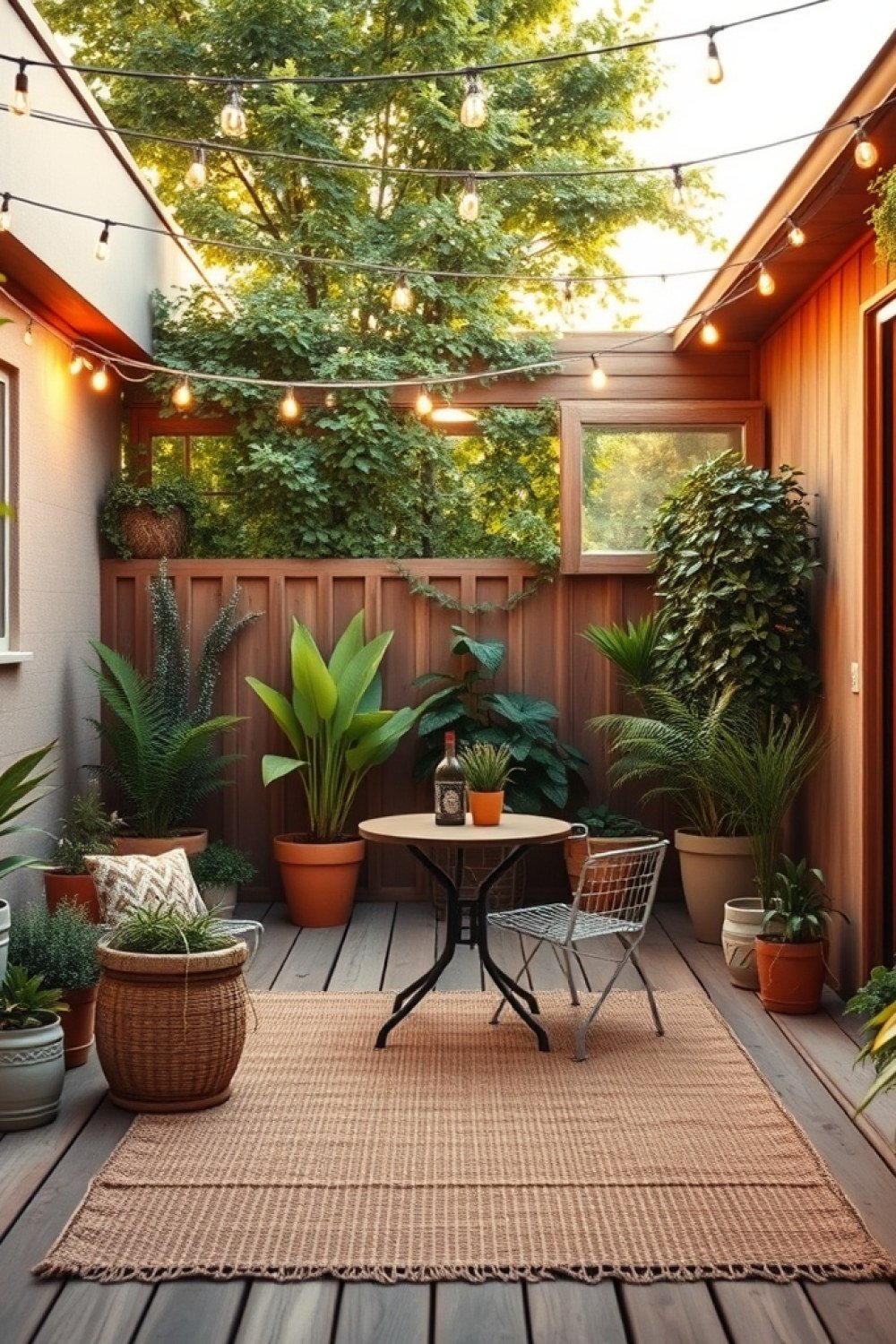
A triangular shade sail over a seating corner blocks brutal afternoon sun without a pergola. Since you can’t drill into the building, anchor two corners to weighted bases or heavy planters and one to a fence post with a removable strap.
Why it works: It drops the temperature over your seating area by several degrees and comes down in minutes when you move.
Pro tip: Keep a slight downward slope so rain runs off instead of pooling — and take it down before high-wind storms.
7. Foldable Bistro Corner
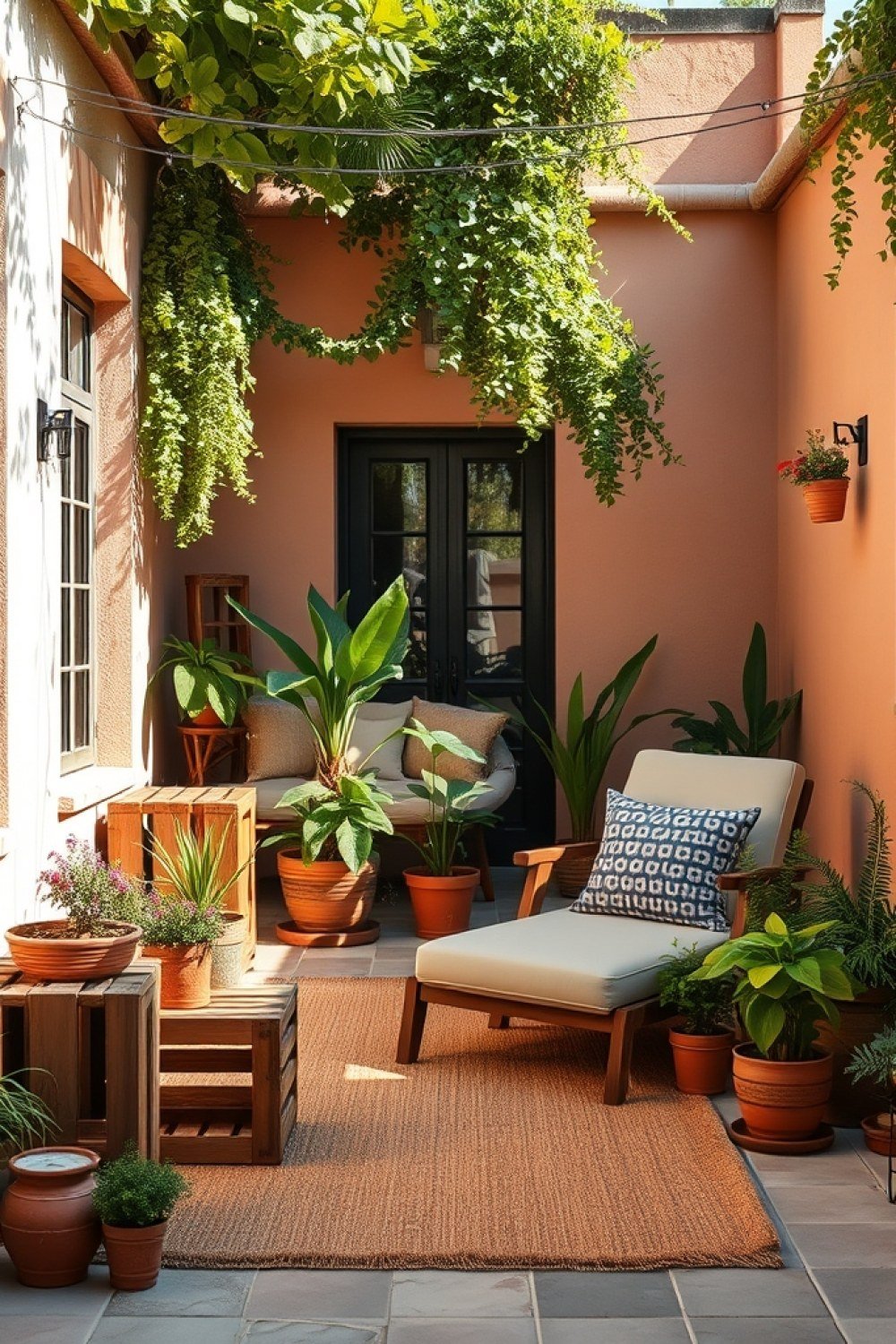
A two-person folding bistro set turns a 4×4 patch of concrete into a real coffee spot. Choose powder-coated steel or aluminum over wood — it survives rain left outside and folds flat for moving day. Add an outdoor rug underneath to define the zone and stop chair legs from scraping.
Why it works: Folding bistro sets need no assembly hardware and pack into a car trunk, so they travel to every future rental without damage.
Pro tip: Set the rug slightly off the wall so runoff doesn’t soak the underside, and flip it after rain to dry.
8. Fire Bowl, No Permit
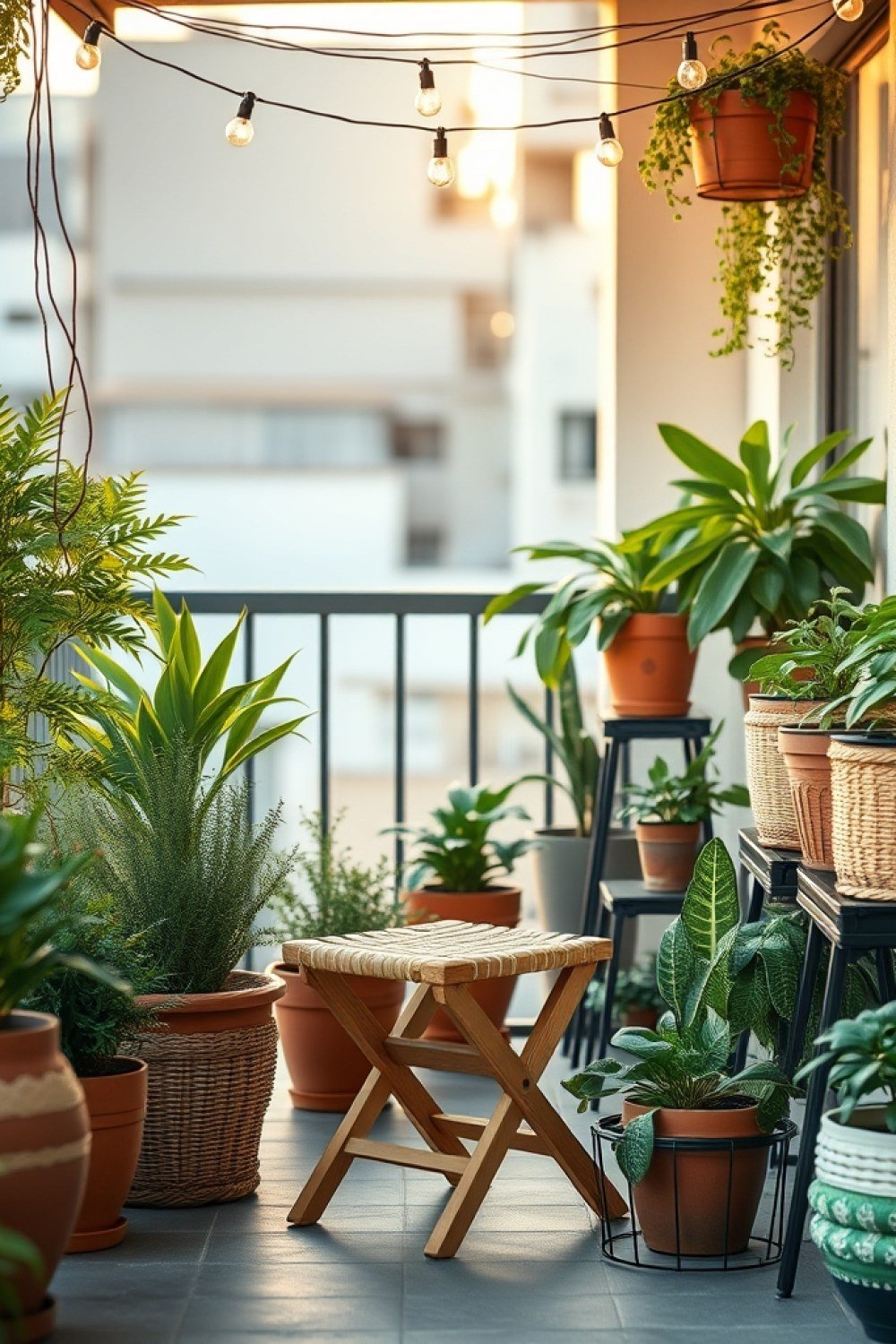
A portable propane fire bowl or tabletop fire pit gives you s’mores and evening glow without a built-in fire pit or burn permit. Propane models light with a push button and shut off cleanly; tabletop ethanol or gel versions work for balconies where open flames are banned. Always check your lease and local rules, and keep it 10 feet from walls, railings, and anything fabric.
Why it works: Portable units aren’t permanent fixtures, so there’s nothing to dismantle or patch before move-out and nothing flagged in an inspection.
Pro tip: Store the propane tank upright and covered; a $10 bungee cord around the bowl keeps it from tipping in wind.
9. Removable Privacy Film
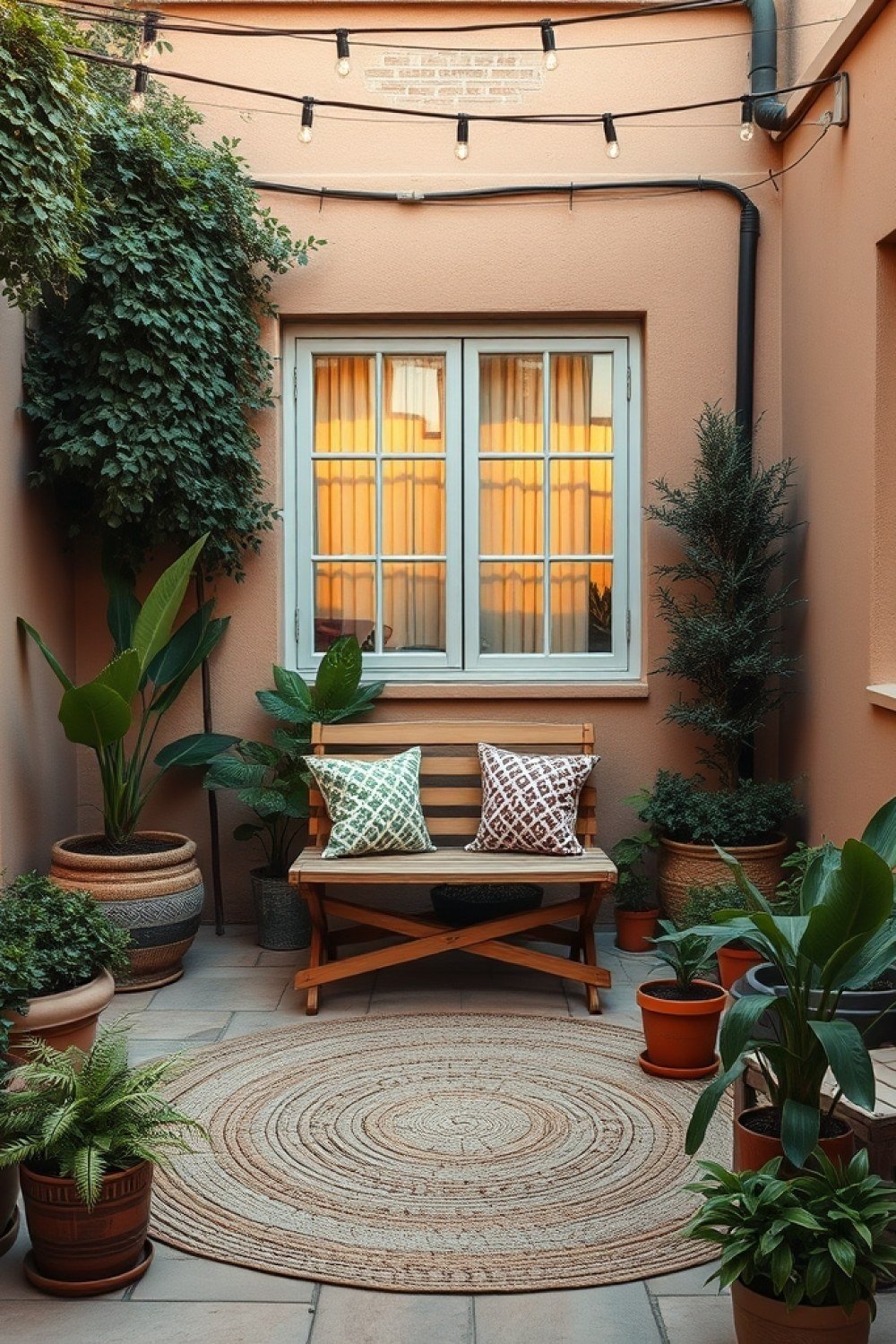
Frosted or geometric window film on a ground-floor window costs about $20 and blocks the direct sightline from a neighbor’s deck or the street. It applies with soapy water and peels off without residue. For balcony railings, wrap reed fencing panels with zip ties instead — full privacy, zero hardware.
Why it works: Window film is a peel-and-stick surface, not an alteration, so it never triggers a security deposit deduction when you remove it.
Pro tip: Cut film an inch shy of the frame edge and squeegee from center outward so trapped air and water push out cleanly.
10. Sink-In Sandbox or Dig Pit
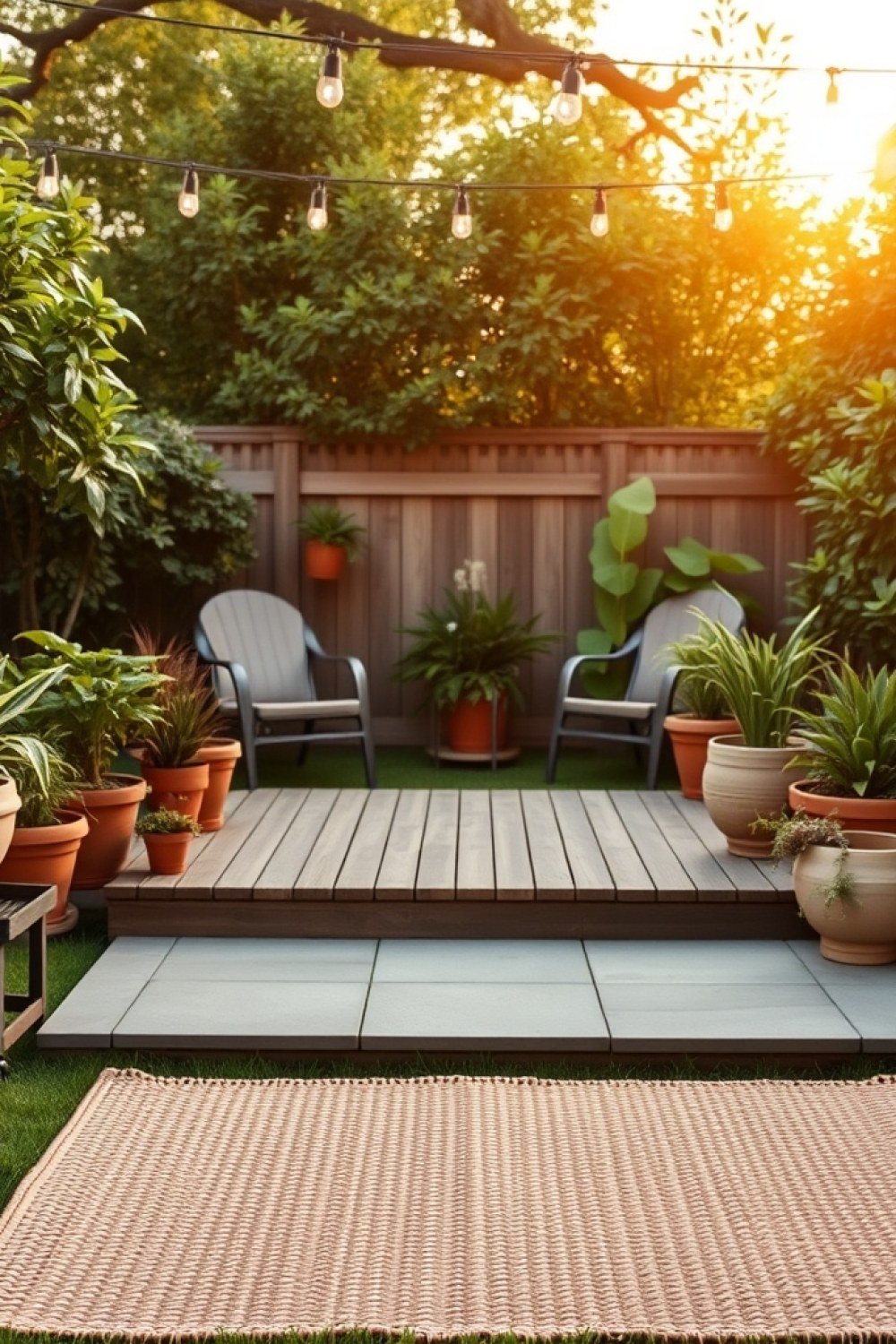
A molded plastic sandbox or a rigid kiddie pool filled with play sand gives kids a dig zone without tearing up the lawn. Set it on a tarp so grass underneath stays alive, and snap on the lid every night to keep out cats and rain. When you move, it drains, stacks, and goes in the truck.
Why it works: A tarp barrier means the grass underneath recovers within weeks instead of dying into a bare patch you’d be charged for.
Pro tip: Use about 50 pounds of play sand for a small molded box; too much makes it too heavy to lift when full.
11. Renter-Friendly Herb Wall
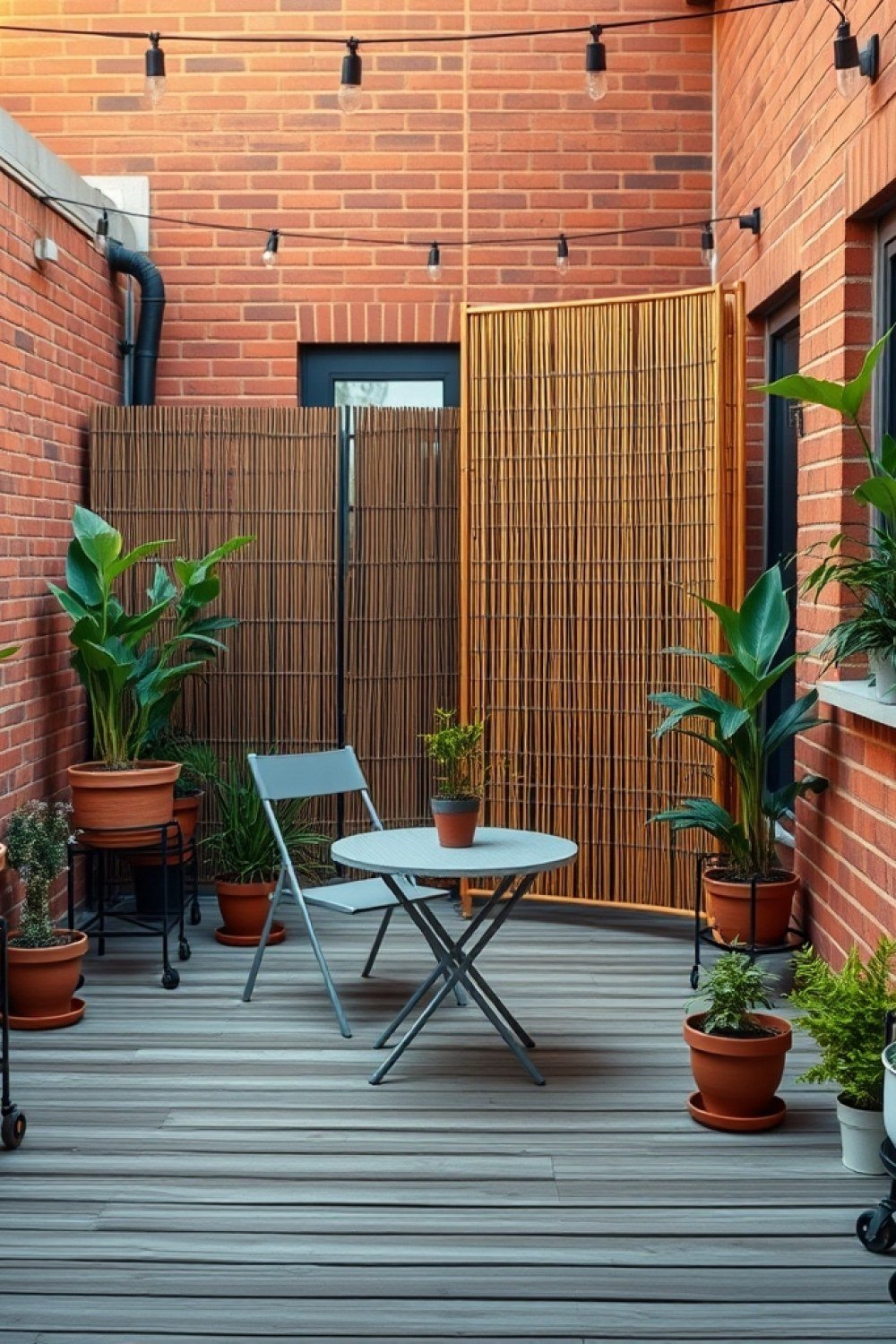
A vertical pocket planter (like a felt wall planter) hung over a fence with over-the-door hooks or zip ties holds 6-12 herb pockets. Basil, mint, chives, and thyme thrive in it, and you harvest dinner from arm’s reach. Water the top pockets more — they dry out fastest — and rotate the whole panel monthly so both sides get sun.
Why it works: Vertical pockets need no ground space, so they work on balconies and narrow side yards where a raised bed never would.
Pro tip: Line each pocket with a coffee filter before adding soil to stop it washing through the felt holes when you water.
12. All-Weather Lounge Zone
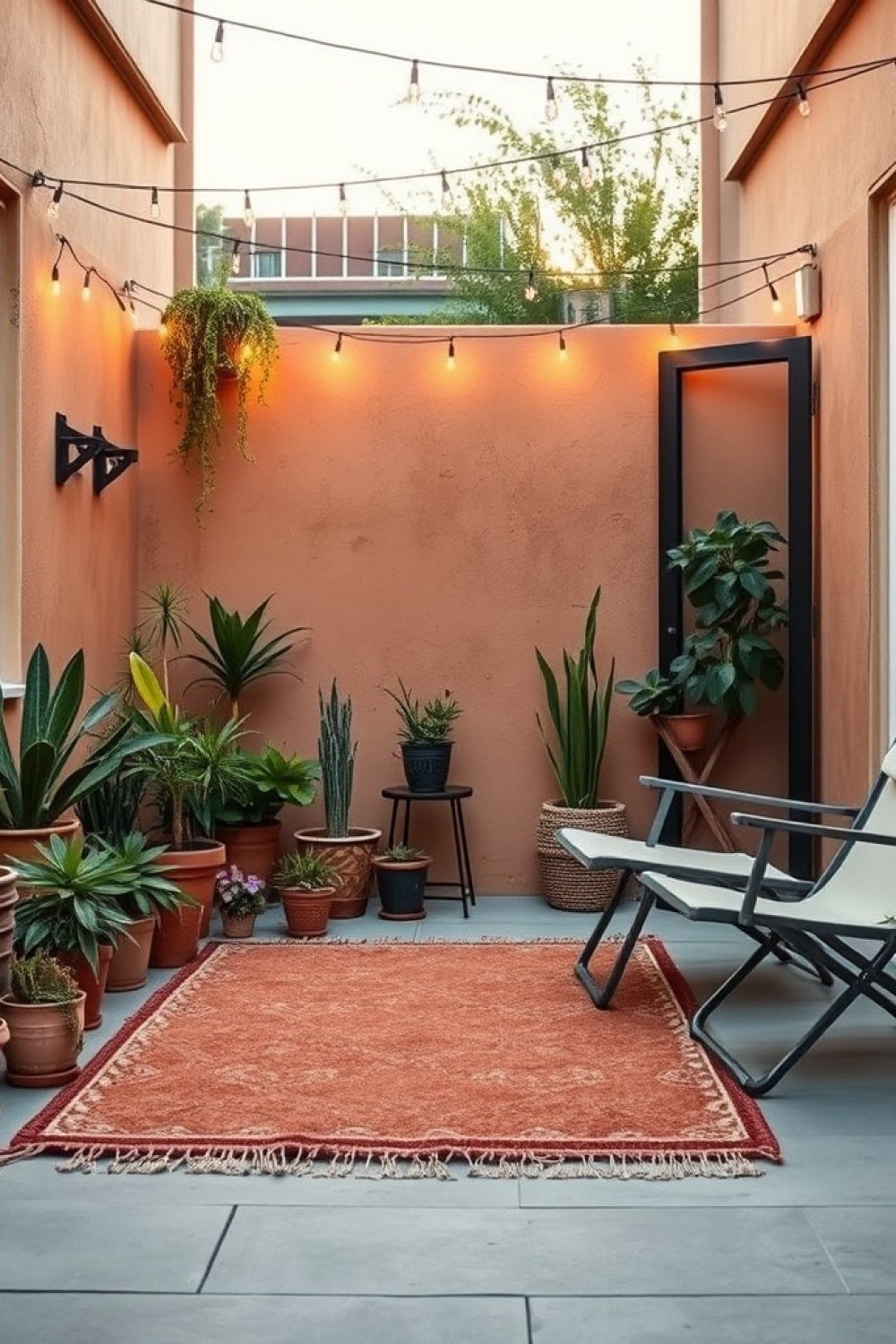
Two stackable outdoor chairs and a weatherproof outdoor rug create a lounge that stores in a closet between uses. Look for solution-dyed acrylic cushions and quick-dry mesh — they shrug off rain and won’t mildew in a storage unit. A small waterproof deck box doubles as a side table and holds cushions over winter.
Why it works: Stackable chairs and quick-dry fabrics survive both a rainy season outside and months packed in storage without rotting.
Pro tip: Choose a deck box with a latching lid and wheels; it rolls to the door on move day instead of being carried.
13. Portable Water Feature
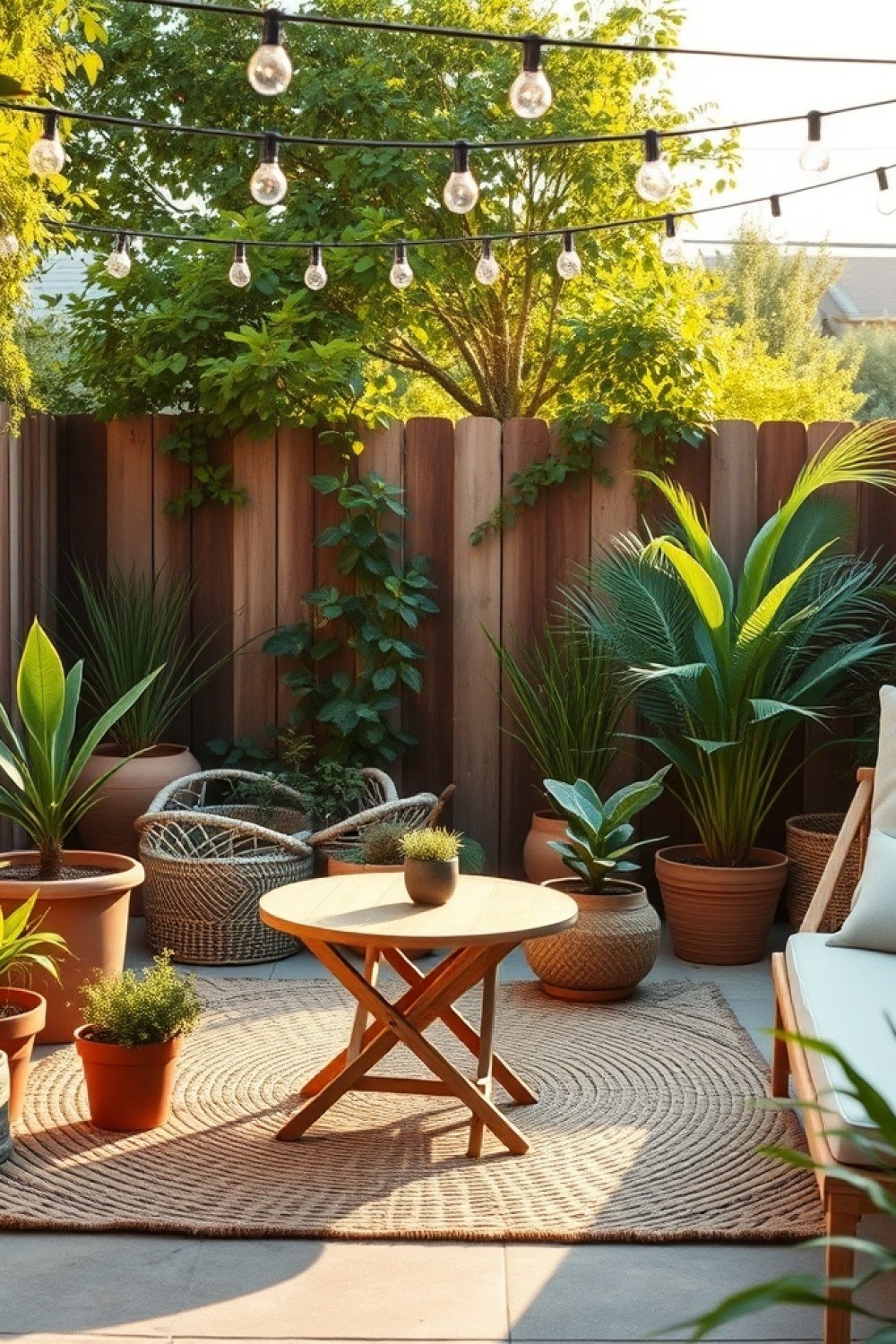
A plug-in tabletop fountain or a solar birdbath brings the sound of water without plumbing, wiring, or digging. Set it on your patio table, balcony rail, or a sturdy plant stand near your seating area.
Why it works: Moving water masks traffic and neighbor noise, and nothing is attached to the structure — so there’s nothing for a lease inspection to flag.
Pro tip: Solar models need 6+ hours of direct sun, and plug-in versions need an outdoor outlet or a weatherproof extension cord. Empty and dry the basin and pump before the first freeze, or the trapped water will crack the housing.
Questions About Renter-Friendly Backyards
Will my landlord know I added these?
Most of these leave no trace. Deck tiles lift straight up, peel-and-stick tile releases with gentle heat from a hair dryer, and window film peels off with soapy water. Everything else is freestanding — furniture, rugs, planters, lights on clips.
Two things to actually check your lease on: open flames like fire bowls, and anything that touches the building itself, such as adhesive clips on siding or brick. Those are the only items that can cost you a deposit.
What’s the cheapest way to make a rental patio feel finished?
Start with an outdoor rug (about $30–$60) and warm string lights or a couple of solar lanterns. That’s under $100 for color, softness, and evening atmosphere, and both roll or pack flat on moving day.
If your surface is bare concrete, snap-together deck tiles are the next best upgrade. They float on top, click together by hand, and pull up in minutes when you leave.
How do I keep container plants alive if I travel or work long hours?
Use the largest pots you can fit — 18 inches and up. Line them with plastic, group them so they shade each other, and mulch the top inch of soil to slow evaporation.
Add a self-watering insert or a drip tray reservoir for extra buffer. If you’re gone for weeks, a $25 battery timer on a hose spigot splitter waters everything on a schedule while you’re away.
Can I really grow vegetables on a balcony or small rental patio?
Yes — focus on compact varieties: cherry tomatoes, bush beans, lettuce, radishes, and herbs all produce well in containers. The limiting factor is sun, not space.
Most vegetables need 6+ hours of direct light, so track your balcony’s sun before you buy seeds. Skip full-size tomatoes, corn, and zucchini unless you have real space and real sun.
Building Your Rental Backyard in One Weekend
Start with the two purchases that change the most for the least money — an outdoor rug and lighting — then add one bigger piece at a time so you can feel what your space actually needs. Deck tiles one month, a planter cluster the next. Your yard will tell you what’s missing.
Because none of these ideas are permanent, you can experiment freely. If a setup doesn’t work, rearrange it. If you move, it all comes with you — rug, lights, tiles, pots, and plants. Nothing stays behind except a clean patio and your deposit.